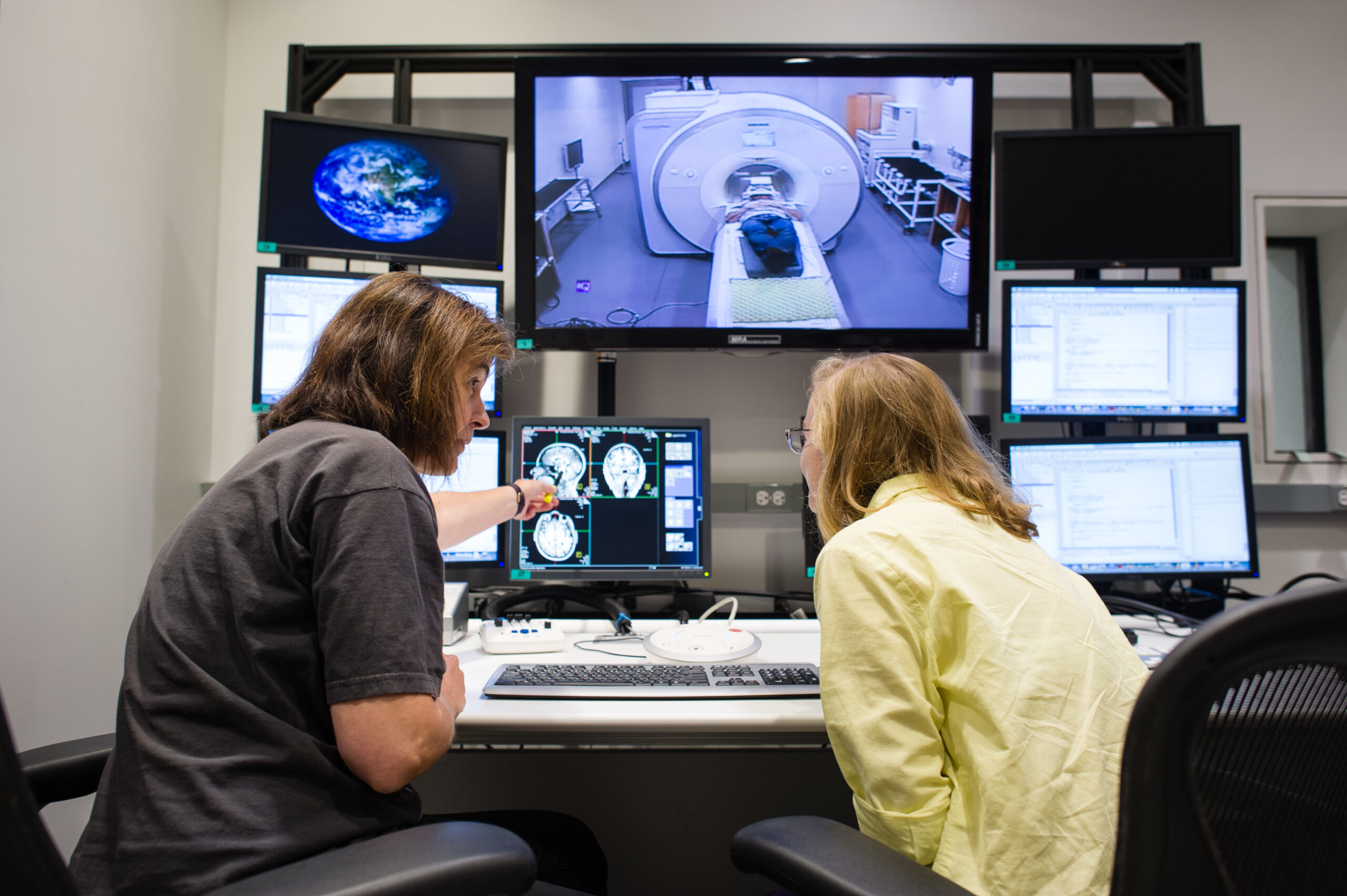
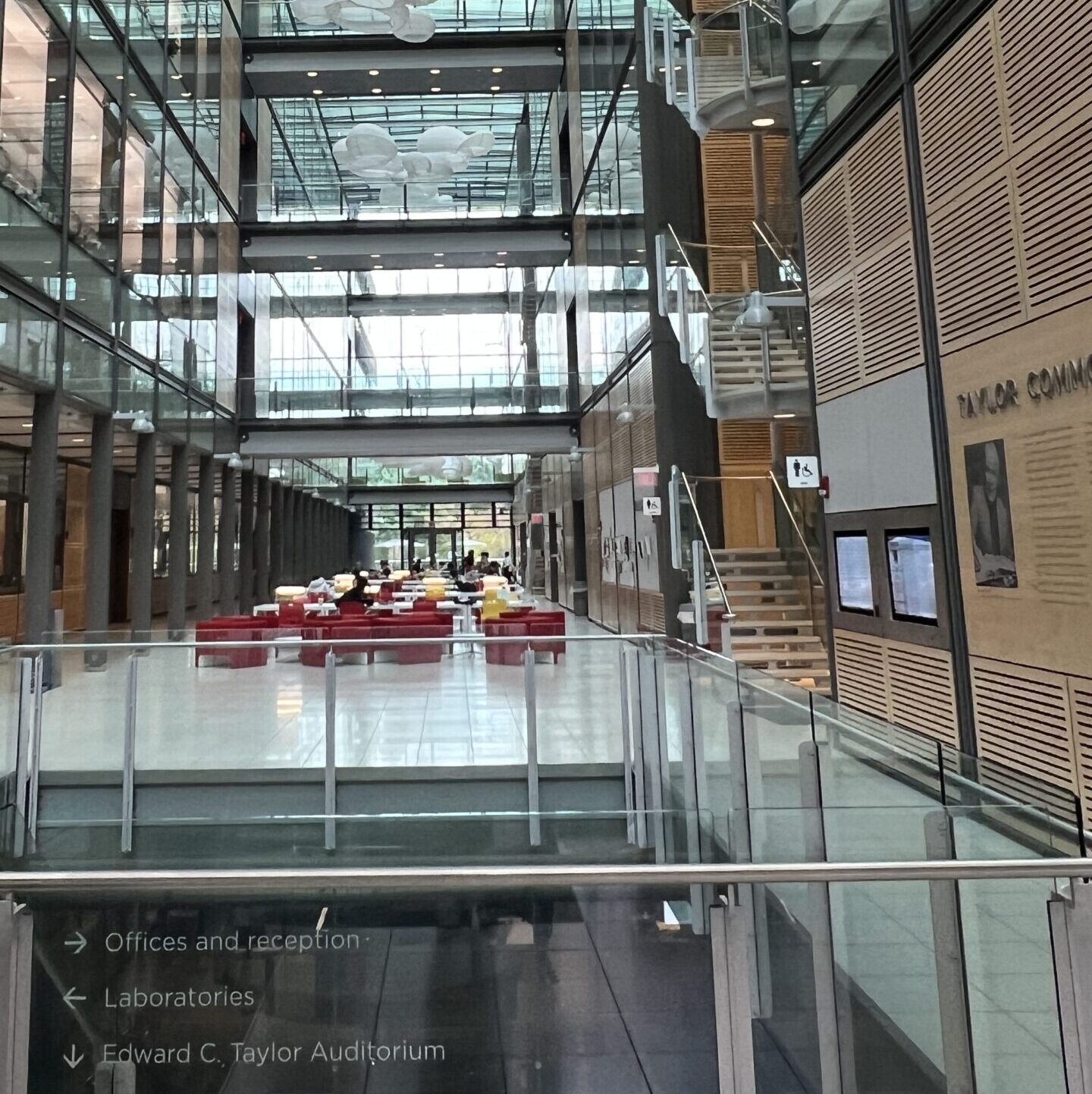
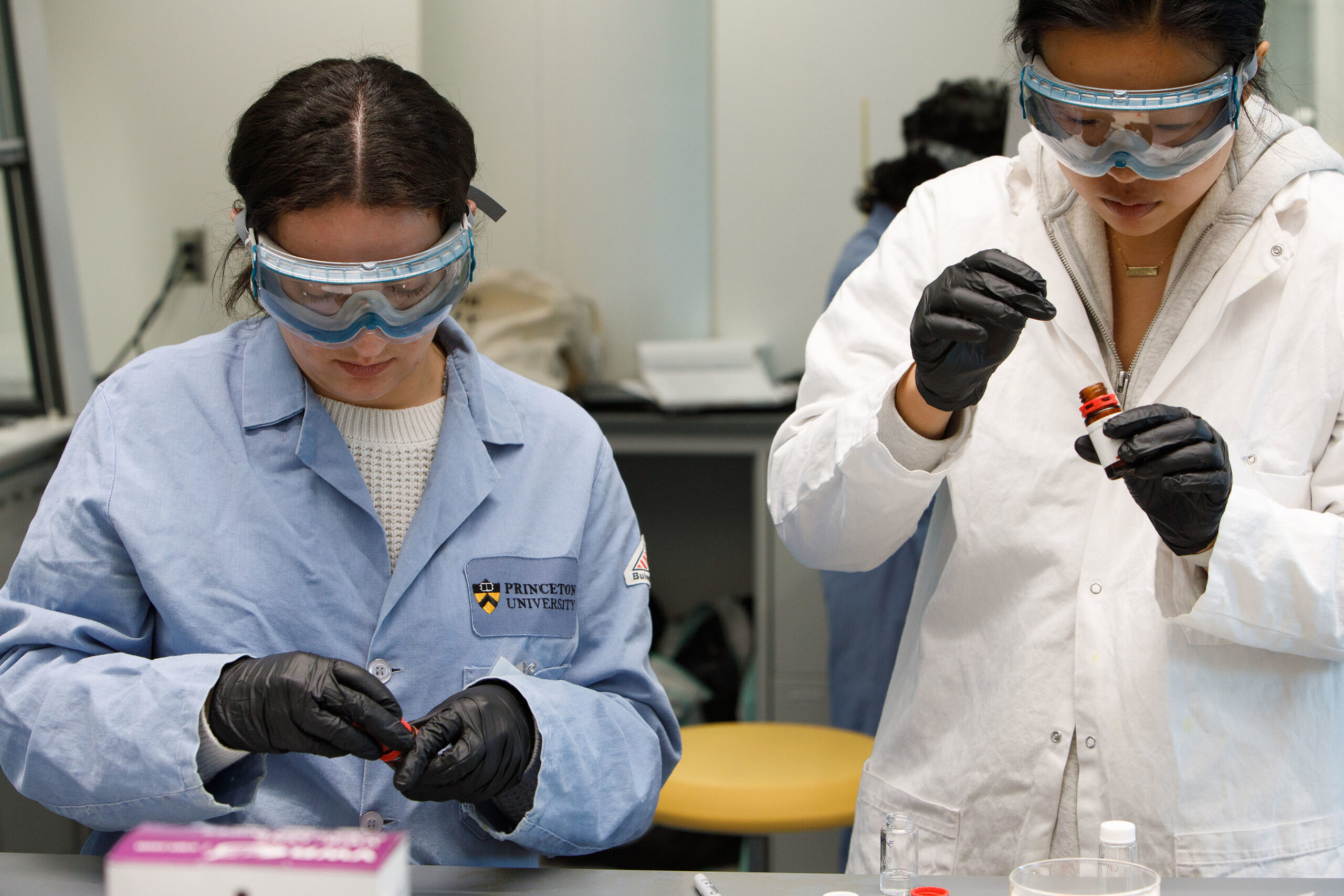
The research you do could be remotely on a computer, in-person working in a lab, or both, as we see here with brain imaging research at the Princeton Neuroscience Institute!
Princeton undergraduate students usually gain most of their research experience from things like independent work, theses, research-based courses, or summer research. However, you might not know that there are more options to do research during the school year: working a part-time job! Some of the most common part-time campus jobs you may think of might be working in a dining hall or at library reception, but you can actually do academic research and get paid for it. This isn’t limited to just STEM majors either; part-time research jobs exist across the humanities and social sciences and are offered by a wide range of departments. You could earn money and get work experience while analyzing literature, writing code, processing data, or working hands-on in a lab!
Here’s a quick guide on how to search for these jobs:
Fortunately, if you’re stressed out trying to write all of these summer program applications, Princeton has plenty of comfortable study spaces to be working, like Quincy Monday ’23 in the lobby of NCW. Photo Credits: Dan Komoda (2023)
Applying to summer programs can seem like a daunting task when you may not even know what you want to do next summer. The busyness of the semester certainly hasn’t created a ton of time to be thinking about these things! Fortunately, winter break is a great time to work on applications to summer programs, as many of the earlier applications are often due early in the year. Having prepared them beforehand can ease a lot of stress, since the middle of the spring semester isn’t the most convenient time to be starting these applications. These timelines can vary by field, so it could be a bit different based on the type of program you are applying to—the career center has a great timeline of internship recruitment that is sorted by field so you can see the differences. Regardless, it’s great to work on these during the break when you don’t have courses.
You may be looking for something far away, here in Princeton, an industry internship at a company, or a research program at a university. Regardless of if you know exactly what you want to do or still aren’t sure, here are some tips to help you sort through this process.
Whether you’re jumping onto the wagon of a research project or are pursuing a research assignment in a course, professors will often assign readings of journal articles as a way to familiarize students with ongoing research in the field. However, for newcomers to a topic, tackling the understanding of a literature review can often be difficult with the influx of new vocabulary and complex, dense information on the topic all at once. Here are some tips on how you can tackle the difficulty of journal reading.
Reading a research journal and understanding its key points can be achieved with just a few tips of advice!
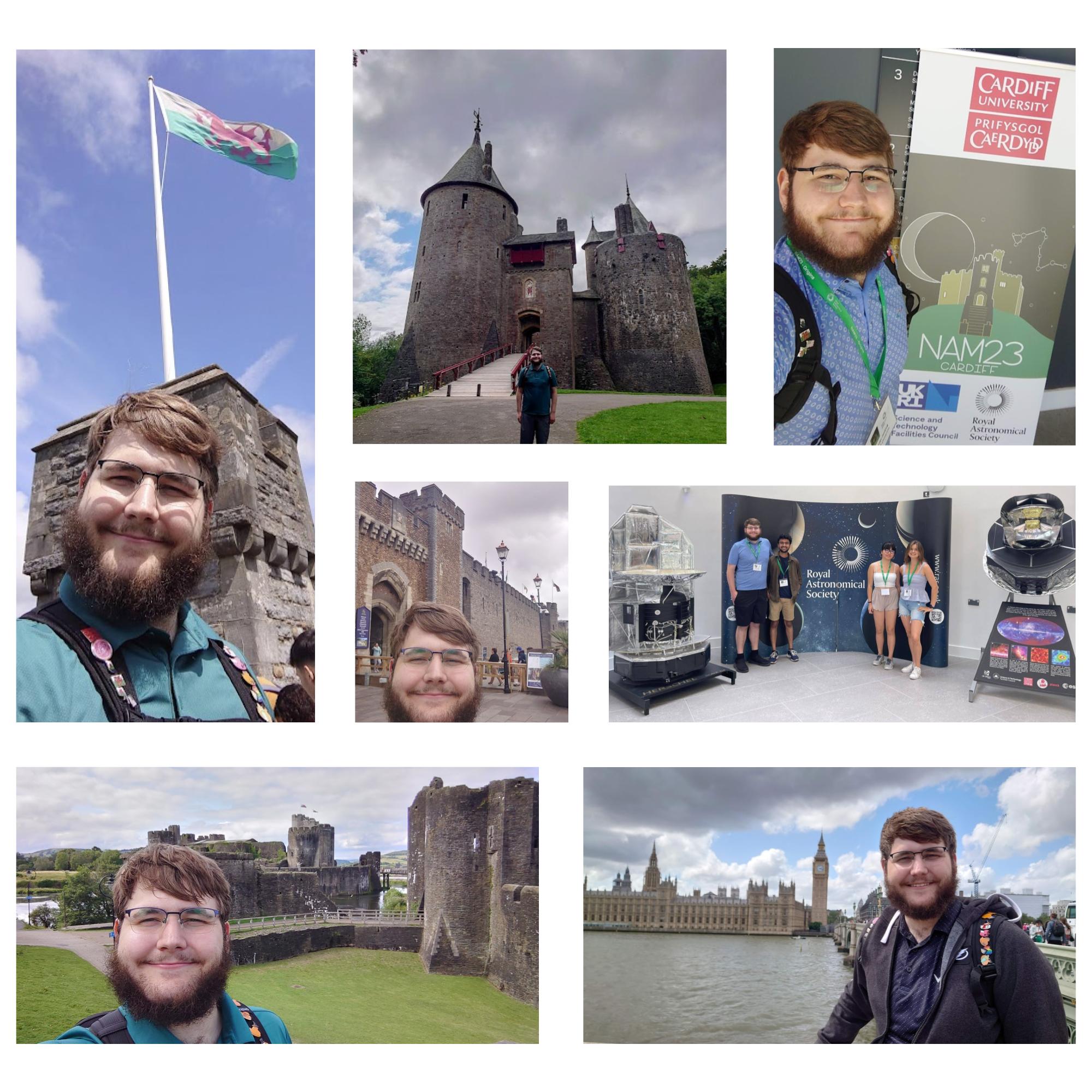
Some photos from writer Xander Jenkin’s International Internship in Wales, UK. Photo credits: Xander Jenkin (2023)
Last summer, I went abroad on a fully-funded internship doing astrophysics research at Cardiff University, in Cardiff, Wales, UK. This experience not only solidified my career decision to pursue astrophysics research, but also gave me a unique immersion into Wales and Welsh culture as well as the broader United Kingdom. If you are curious about research abroad, read on!
This past summer, I had the incredible opportunity to be a research intern in the Princeton Department of Geosciences through the High Meadows Environmental Institute (HMEI) Internship Program. As a rising college sophomore who had spent half of my high school years during the coronavirus pandemic, I was eager to seek out an opportunity that would allow me to engage in an in-person laboratory research experience, and this was it.
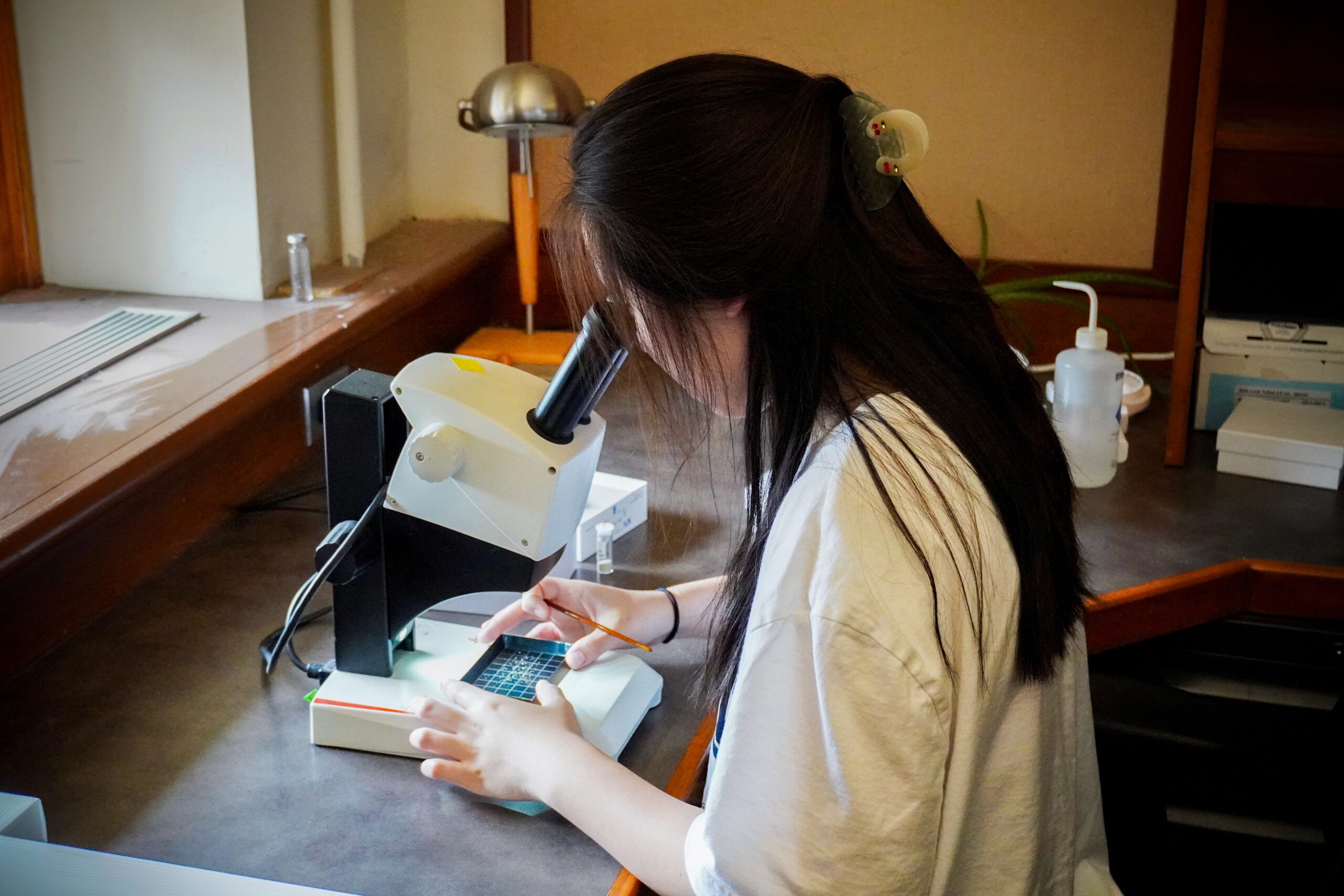
The High Meadows Environmental Institute Summer Program provides a number of interdisciplinary research opportunities. Consider applying to join one of the amazing opportunities for this upcoming summer! Photo Credits: Mae-Yung Tang (High Meadows Environmental Institute Program Tech Support Specialist).
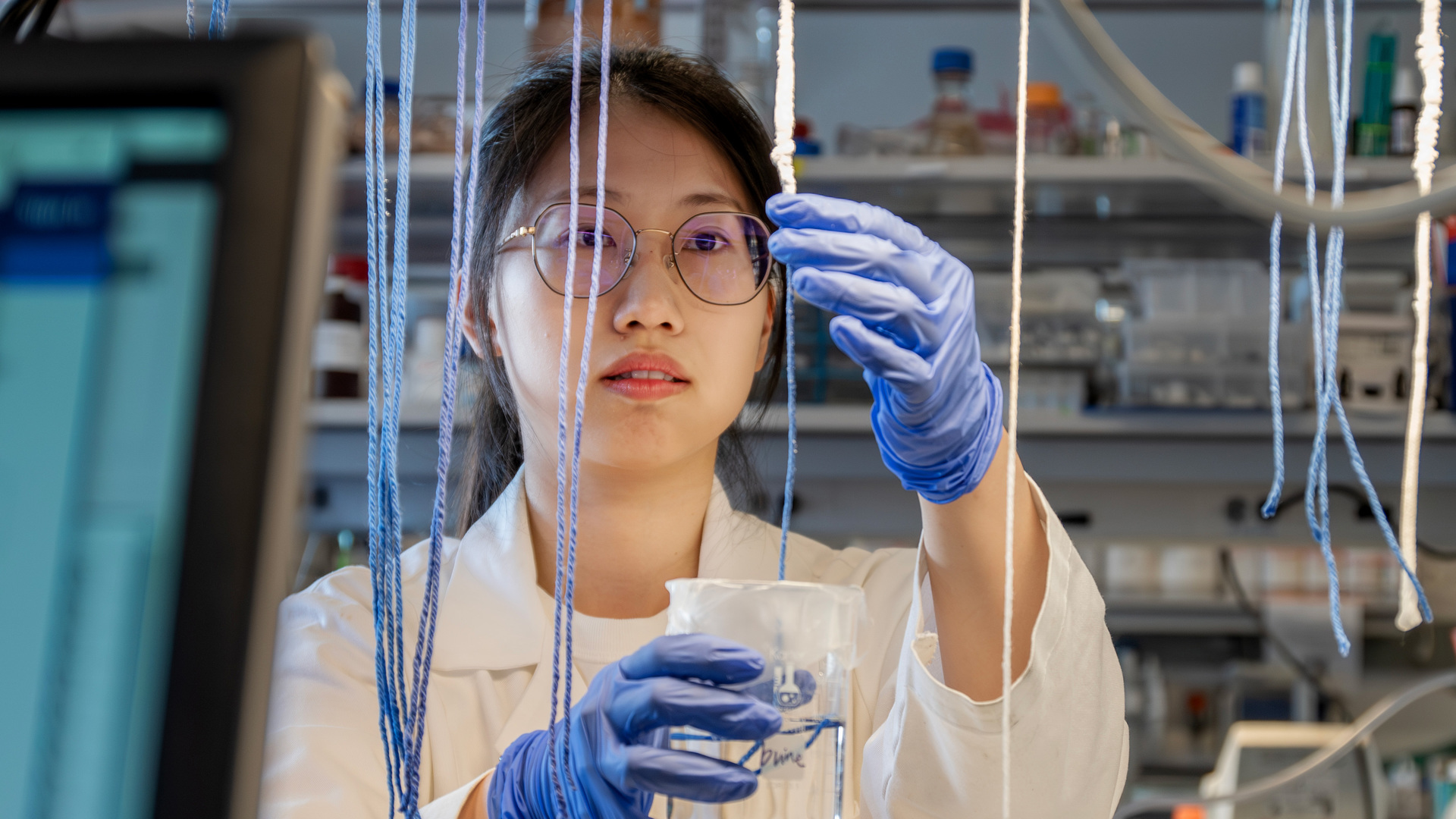
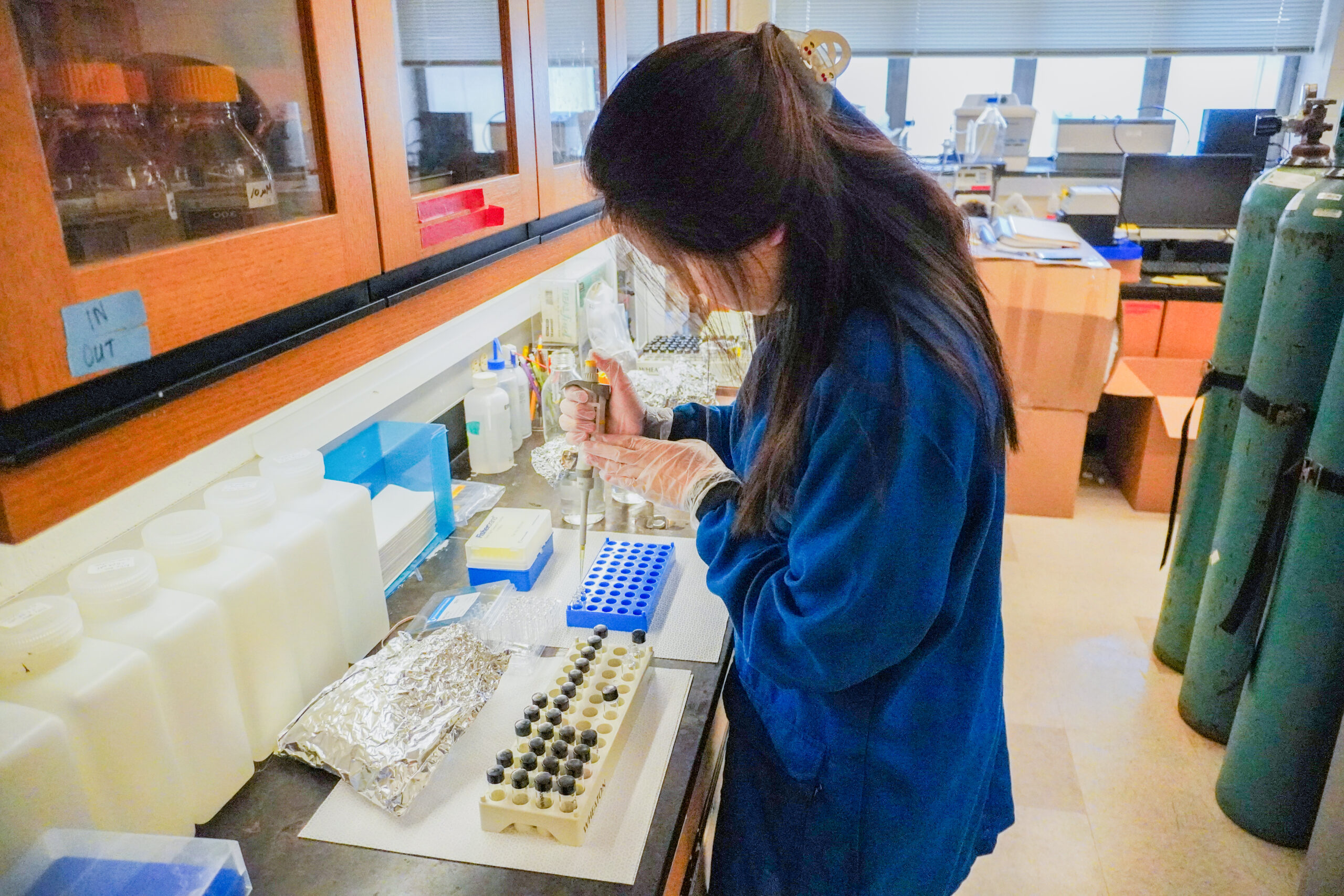
You may not feel as confident as CEE department graduate student Meiqi Yang looks here working on lithium extraction, but as you do more research over time, you’ll feel much more comfortable as you progress. Photo Credit: Bumper DeJesus (2023)
When doing research as an undergraduate, sometimes the work you are doing and topics you study may be very familiar to you, other times you may be totally unfamiliar with what is going on. Maybe you even have some previous experience but the topic of the project is way above anything you’ve done before—you might be working with a physics professor on something really advanced like quantum field theory or condensed matter, which you have never taken a class on and are expected to now work on and understand what’s going on during your project. This can happen a lot in any field, not just STEM, where your professor may have spent years studying something that you are expected to contribute to after having taken maybe a few classes in it, if that. Some professors may work more often with graduate students, so they may assume that you know “basic” things about your field that you as an undergrad have just encountered for the first time: you could be working with an Art History professor who focuses on Late Antiquity, and they start throwing around terms and common symbols that you aren’t able to easily recognize.
Regardless of the circumstances, this situation comes up a lot in undergraduate research. The fortunate thing is that tons of professors are willing to work with students who have no prior experience in the subject, but you still have to wrestle with “catching up” as you try to somewhat understand anything that you’re actually doing. Here are some tips to try to get acclimated with difficult, unfamiliar topics that may be well above your current depth as an undergraduate.
This past summer, I had the incredible opportunity to be a research intern for the Sigman Research Laboratory in the Princeton Department of Geosciences. It was an incredible learning opportunity and a great experience of exposure to laboratory research in the field. Find out how you can discover the right field for you! Photo Credits: Mae-Yung Tang (High Meadows Environmental Institute Program Tech Support Specialist). Continue reading How to Choose a Topic
Hello scientists! During your time here so far, you may have heard of science research at Princeton – either through your STEM classes, through listserv emails, or through conversations with your peers and professors. At Princeton, I became involved in research and I grew to love this activity as a way to engage with my academic interests outside of the classroom. There are so many great benefits from pursuing a research interest, but first let’s talk – why science research?
Frick Chemistry Laboratory – an on-campus location of burgeoning science research. (Photo taken by Rebecca Cho.)Continue reading Why Research?
A guide of first steps for women-identifying undergraduate students stepping into research
Every women-identifying undergraduate student has the potential to become an incredible researcher; your journey starts now!
As we step into the new school year, woman-identifying undergraduate students across campus are looking to take their first steps into research. This process can be new, daunting, and sometimes, downright terrifying. It’s scary to step into a room where you are the first, the only, or both. That’s why it’s imperative to support women-identifying students in empowering research communities, advocating for their learning goals, and asserting themselves in new research settings. For allies, there are also important ideas shared by woman-identifying researchers about the best ways to support their success.
The Princeton Perspective Project (PPP) is an initiative by Princeton students against the expectation of “effortless perfection.” Our seasonal series in partnership with PPP interviewed professors, undergraduate students, and graduate students to hear their thoughts on expectations, challenges, failures, and growth through it all. In this segment of our Seasonal Series, we hear from Cara Khalifeh, the Treasurer of the Princeton Perspective Project.