Categories
Present & Publish Findings

A Figure Speaks a Thousand Words

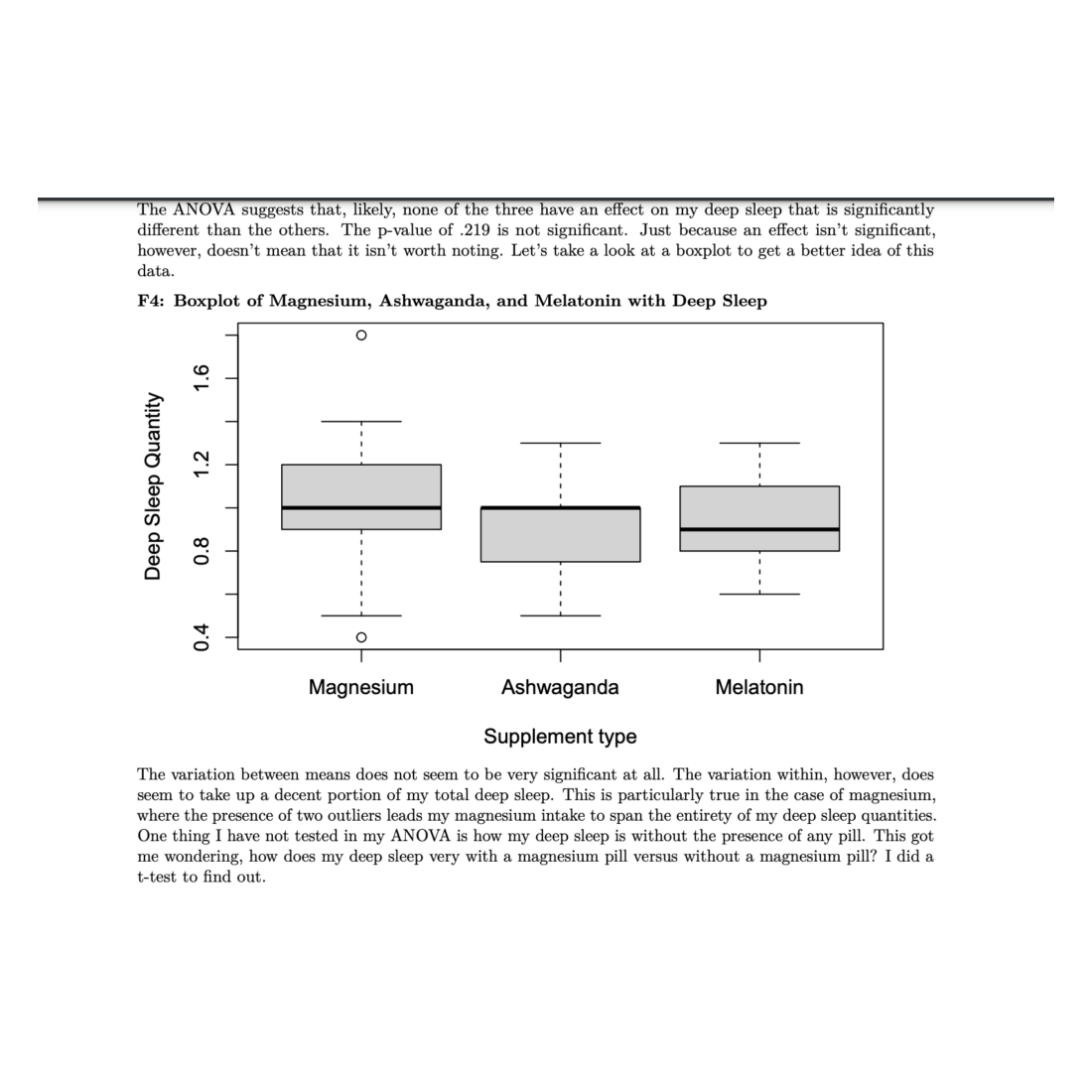
Example boxplot titled Boxplot of Magnesium, Ashwaganda, and Melatonin with Deep Sleep. The boxplot analysis indicates statistically insignificant variations among supplement types. The author describes the follow-up question after their ANOVA analysis: how does my sleep vary with a magnesium pill vs. without a magnesium pill?
The boxplot comparison accurately reflects the variation between different sleep supplements and their effect on deep sleep quantity. As seen above, the boxplot demonstrates the presence of a single outlier under the Magnesium group which could have easily skewed and misrepresented the data in another type of figure.

As anyone who has taken one of Princeton’s introductory statistics courses can tell you: informative statistics and figures can and will be incredibly useful in supporting your research. Whether you’re reworking your R1, writing your first JP, or in the final stages of your Senior Thesis, chances are you’ve integrated some useful statistics into your argument. When there are a million different positions that one can take in an argument, statistics appear to be our research’s objective grounding. The data says so, therefore I must be right. Right?

Categories
Present & Publish Findings

Writing Seminar: Growing as a Researcher, Writer, and Person

Reflecting on my first year, I think about how quickly time flies. I’ve thought about how much I’ve changed over the course of a year and how my discussions with my peers and professors already began to shape the way I viewed the world. As an engineering student, Writing Seminar was especially memorable because it opened the door for me to engage with research in the humanities.

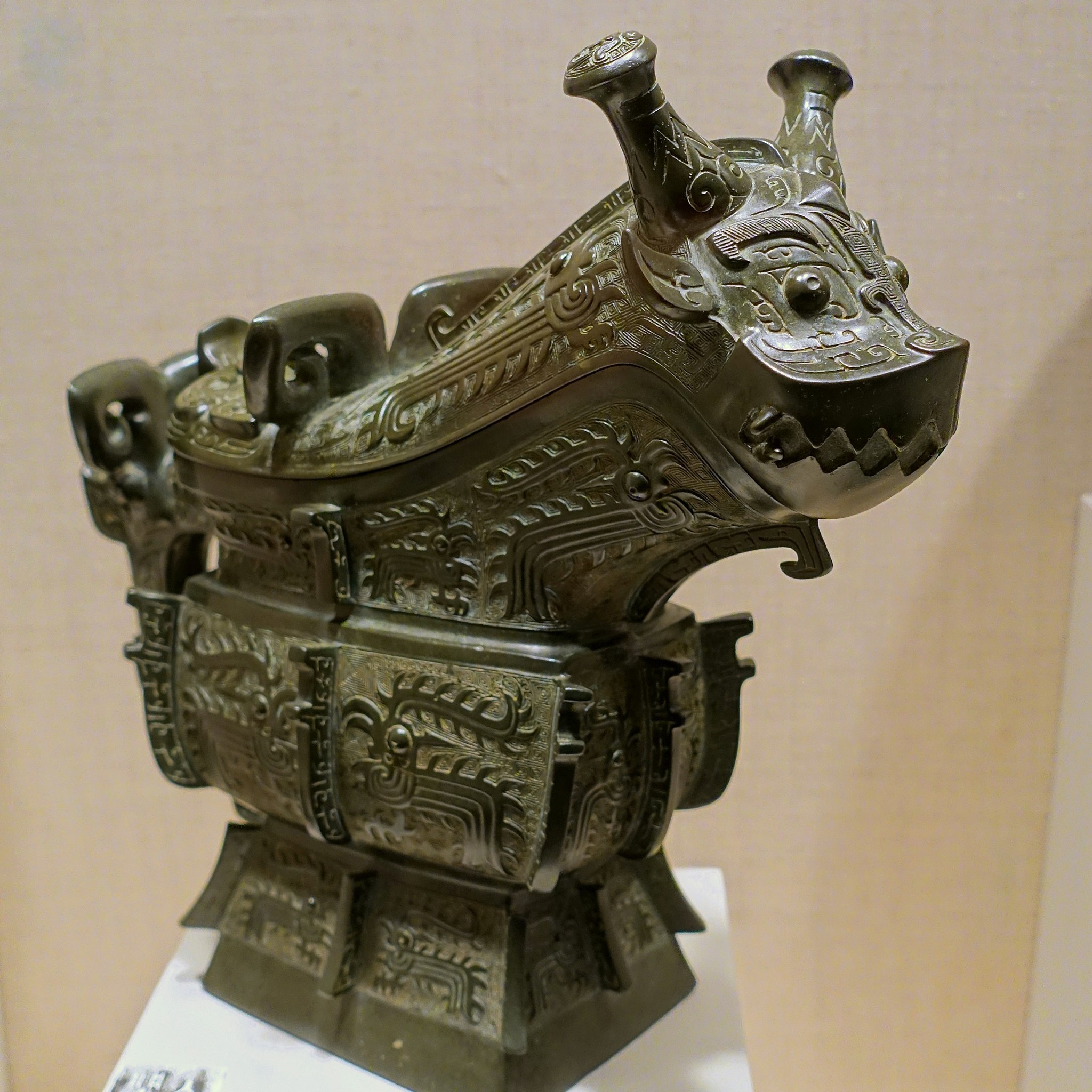
All first-year students are required to take a Writing Seminar. My seminar, WRI146 – Constructing the Past, taught by Dr. Emma Ljung, centered on the theme of how the past is closely intertwined with the present. In retrospect, one of my most pivotal periods in the course was the process of writing my R2, which focused on artifacts from the Princeton University Art Museum. Interested in delving deeper into my Chinese cultural background, I chose to work with the Guang, a dragon-headed bronze pouring vessel from the late Shang dynasty.

Image of the Princeton University Art Museum Guang

Pouring vessel with dragon-head lid (guang), China, Western Zhou dynasty, 11th century to 771 BC, bronze from the Princeton University Art Museum. Photo from Daderot on Wikimedia Commons.

Categories
Present & Publish Findings Research Life

Conversations over Lunch: The Research You’ve Started Without Even Realizing

There’s nothing very special about the statement that lunch is fun – who doesn’t enjoy it? What I’ve found more surprising is that even with all the thought provoking classes I’ve taken at Princeton, lunch is consistently one of the most interesting parts of my day. Whether relaying key points from a particularly great morning lecture, talking about our new favorite YouTube video, or filling each other in about weekend plans, my friends and I use lunch as a chance to share our latest finds. What I recently began to consider is that this universal desire to start a conversation around our latest discoveries sits at the core of the research process.

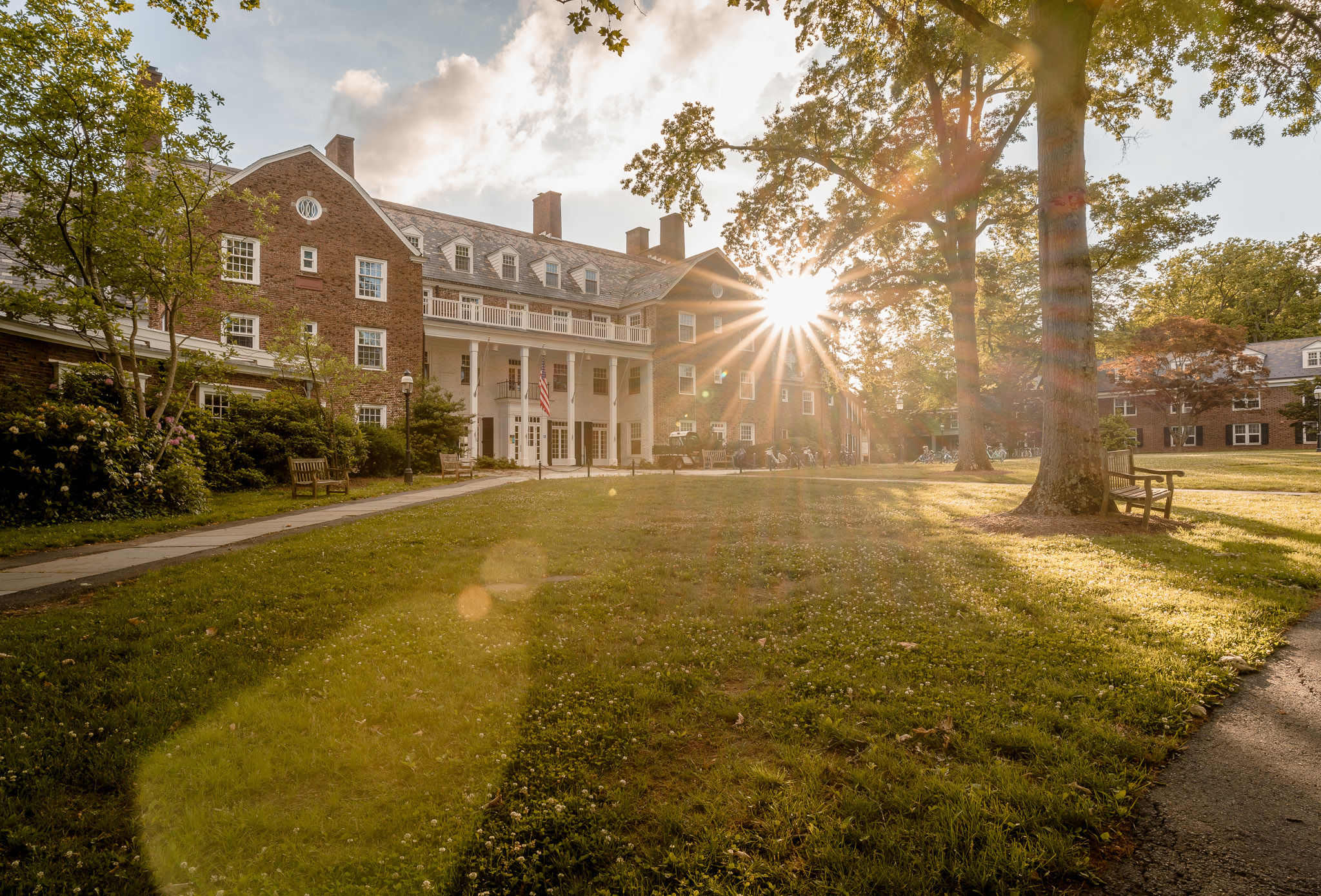
Image with a sun flare in the front of Forbes College.
On this particular day, Hiba and I had lunch at Forbes.
Categories
Conduct Research Independent Work Present & Publish Findings

From Law to Coding: Writing my SPIA Quantitative Junior Paper

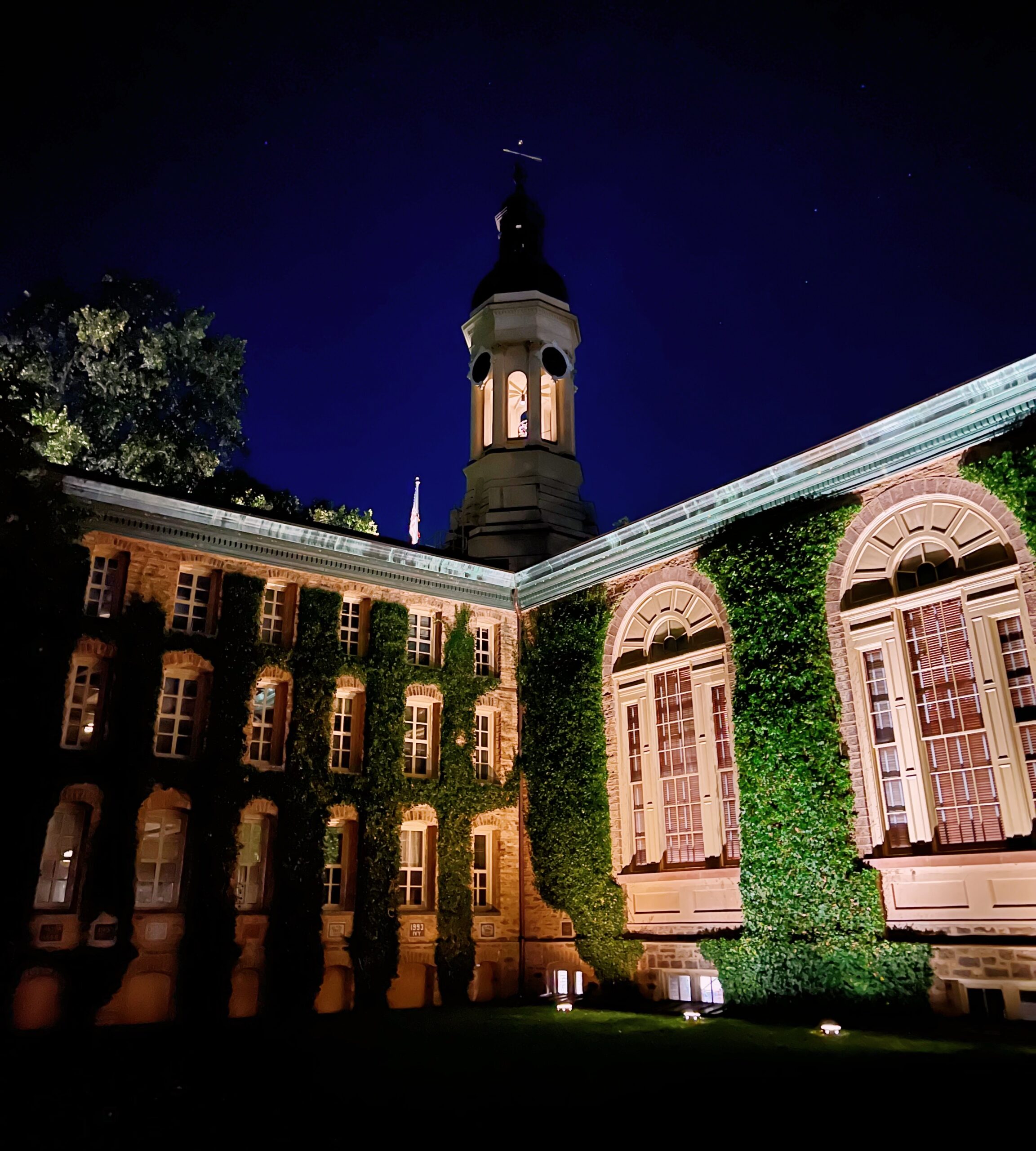
Photo depicts grand Princeton building at night time, with ivy climbing up brick that appears reddish in the lighting.
From courses at SPIA to starry nights at Nassau Hall, there are many opportunities to reflect on what type of research is meaningful to you

There are many reasons why I chose to major in the Princeton School of Public and International Affairs (SPIA), ranging from the impact that we have through service and the focus on policy and law. One unique feature of SPIA is the ability for concentrators to take more qualitative courses such as SPI333: Law, Institutions, and Public Policy and quantitatively-based courses, such as POL346: Applied Quantitative Analysis. During the Fall of my junior year, I wrote a more qualitative junior paper on risk assessment tools in the pretrial adjudication system and analyzed whether or not they make more biased decisions than do humans (see here to read more about my experience). Headed into my junior spring, I was presented with the choice of writing another qualitative paper or joining a quantitative research lab. Thankfully, I felt confident in my coding abilities due to past courses I had taken which prepared me for this moment (see here to read about how I gained a quantitative background in R as a SPIA major). I chose the lab without hesitation and my spring semester independent research journey began.

Categories
Conduct Research Independent Work Present & Publish Findings

Experiences in the ReMatch+ Program: An Interview with Kasey Shashaty ’23 – Part 1

Kasey Shashaty is a junior majoring in Electrical and Computer Engineering. She began working at the PULSe (Princeton University Laser Sensing) Lab in the summer of 2021 and has been working with them since. In this interview, Kasey and I discuss how she got involved in this lab through the ReMatch+ program, her experiences working in the lab both virtually and in-person, and where she is taking her experiences in the future. 

Kasey Shashaty ’23
Categories
Conduct Research Present & Publish Findings Research Life

Navigating Princeton in COVID-19 Isolation

      Although things have been looking brighter on campus, with a decrease in COVID cases and happier weather, the threat of COVID-19 still remains and can be a daunting obstacle. I tested positive for COVID-19 last month, and I was lucky enough to get through it, but an extra stressor was definitely keeping up with my classes while being in isolation. Everyone’s experience is different, especially when it comes to symptoms and classes, but I hope that my advice can help you get through a tough time if it ever comes to it.

Categories
Conduct Research Independent Work Present & Publish Findings

A look into Princeton Independent Research: Presenting Proposals to Congressmember Bush

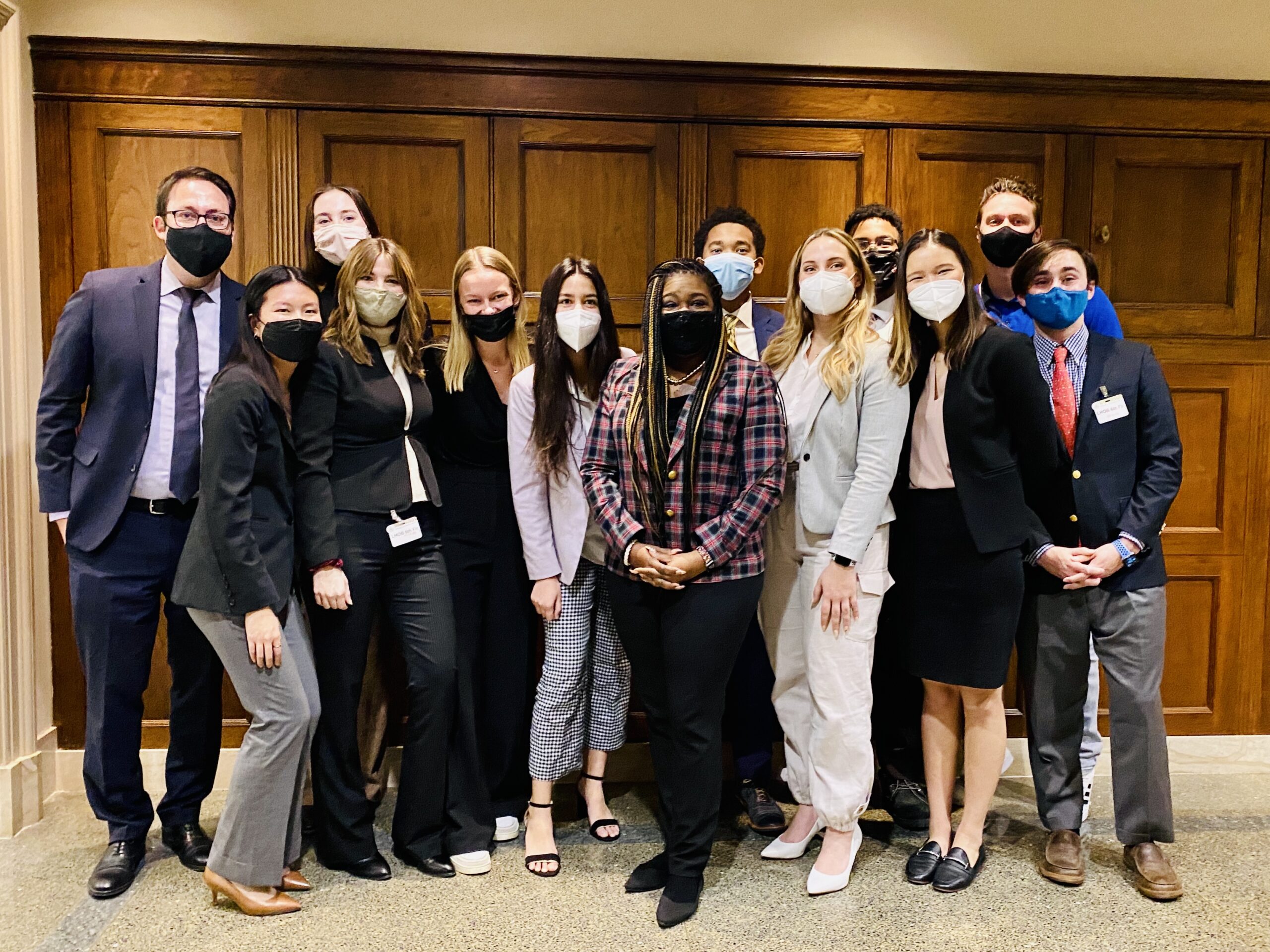
Our task force meeting Congressmember Bush last semester.
She was truly inspirational.

     When you are a first-year, you hear about the Senior Thesis, the Junior Paper, and independent research. While these may seem daunting and unexciting, they are actually some of the most unique and amazing parts of the Princeton experience. Most juniors do independent research within their respective majors. As a SPIA major, I took a Task Force in the fall, where I worked with a professor and team of SPIA students to achieve a policy mission, and I am now in a Research Seminar, where I am doing more quantitative research on a new policy issue. In this post, I would like to share my experiences in my task force last semester in order to help you gain an understanding of what independent research could look like, and how truly incredible it can be.

Categories
Present & Publish Findings Research Life

How to Cancel on Someone, the Right Way

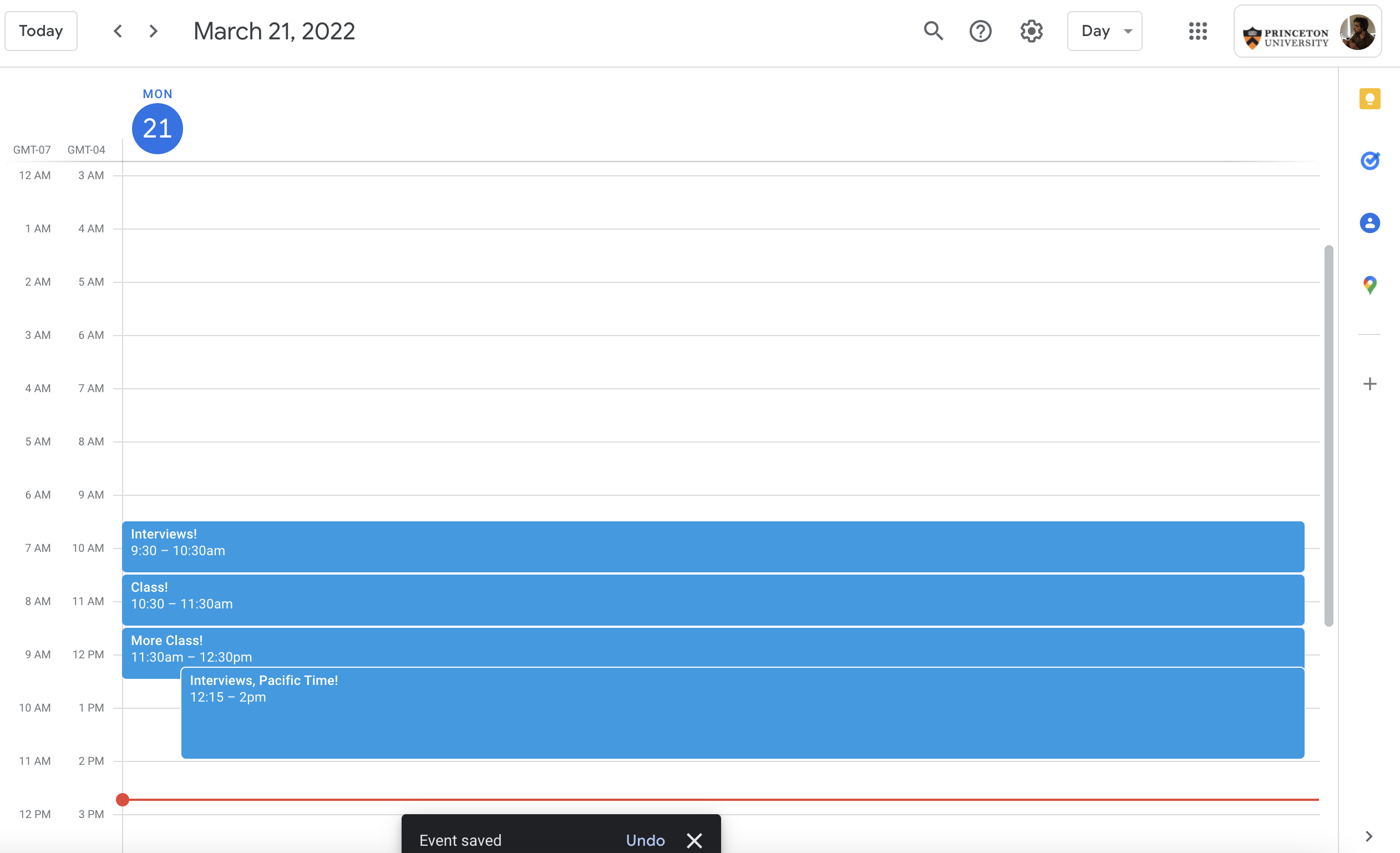
Earlier this winter, I received an email inviting me to a day’s worth of interviews for an MD/PhD program. This invitation included a schedule with Zoom meetings that extended much later into the day than I expected. As a result, these meetings conflicted with some of my classes as well as a meeting for an extracurricular activity.

We’ve all been there: something comes up and we can no longer make it to a class or meeting on our calendars. Whatever the reason, there’s a special kind of stress that comes with realizing you’ll need to cancel on someone. When will you have a chance to make this up? Will your colleagues and professors be upset with you?

I’ve also been on the other side of the equation: as a supervisor for Murray-Dodge Café, I’ve received my fair share of emails from students needing to miss a shift or a meeting. While the best way to handle these situations is to avoid them altogether, that isn’t always possible, so in this article, I’ll share some of my tips for handling these sticky situations!

Displaying a secondary time zone on my Google Calendar really helped me stay on top of my interviews and course schedule!
Categories
Independent Work Present & Publish Findings

Lessons from My First Major Research Essay

As I dive into my second junior paper, I’ve begun to realize how much more serious this paper is than the first one. Gone are the safety rails once provided by Princeton’s History department; instead of a course with concrete deadlines, I am now in the metaphorical Wild West, negotiating with my advisor on a whole bunch of elements: deadlines, research content, framing, among others. Even though it is only February when I write this, the April deadline eyes me ominously. With four classes and an array of extracurricular activities, whatever will I do to survive my second JP? How can I even anticipate the thesis?

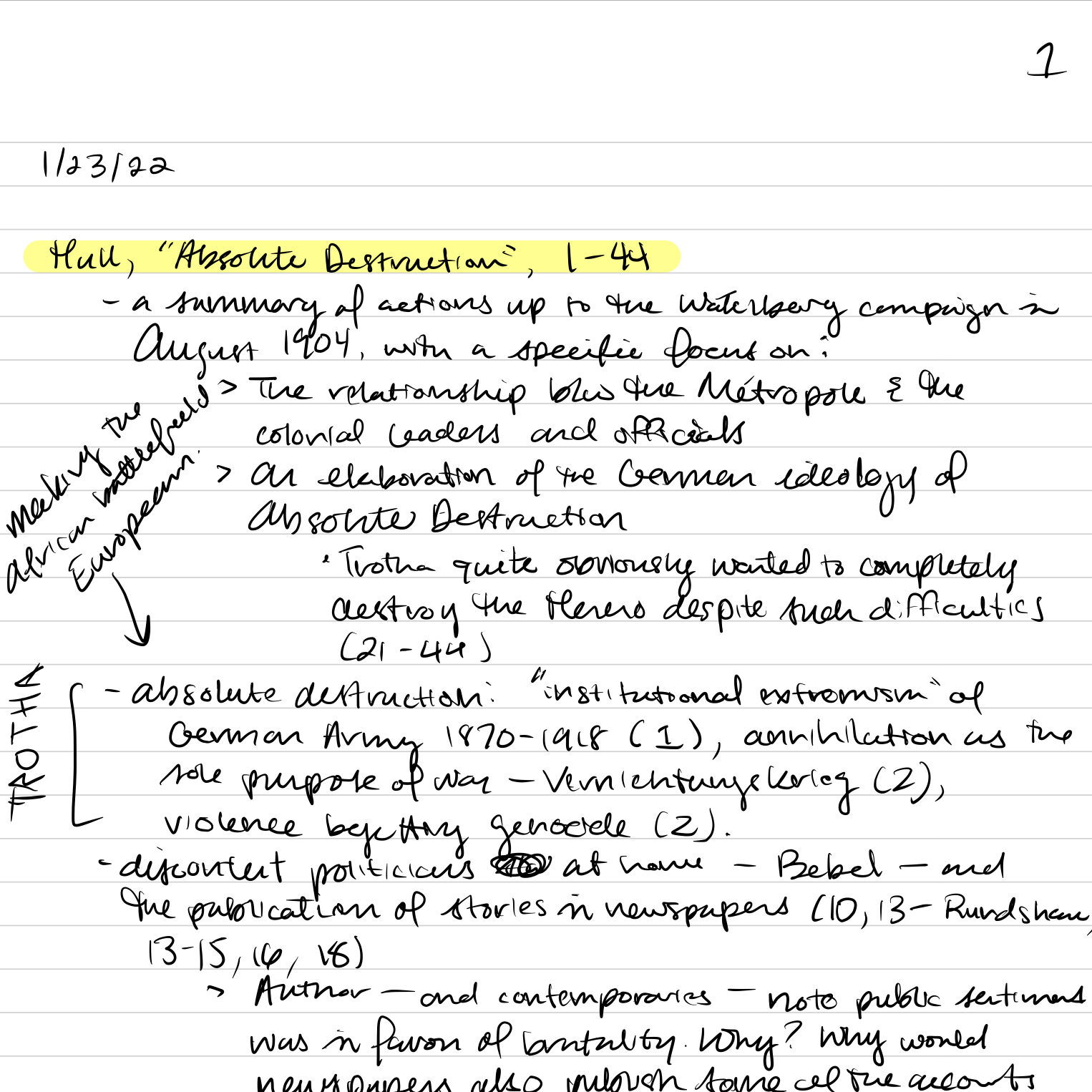
At PCUR, we’ve done plenty of reflections on our prior research experiences. The more I think about it, the best thing to do is to reflect on my first JP. In that paper, I explored the attitudes and ideologies of consumption that post-war consumers held, particularly in relation to an acute shortage of nylon stockings. Sifting through dozens of articles in local newspapers, I identified many letters to the editor that female consumers sent in to voice their opinion about how nylons should be distributed, who deserves them, and how the shortage was affecting their everyday lives. 

Although I am undoubtedly proud of the final product, there were many things I could improve about it. From the way I kept sources and my reading schedule to my writing method and the final editing process, I could enumerate an endless list. For now, I will highlight two of the biggest takeaways from my first JP, which will be particularly useful given the abbreviated timeline of the second paper. 

Categories
Conduct Research Independent Work Present & Publish Findings

Get Your Independent Work Done Without Stress

As a B.S.E junior doing independent work for the first time, I am already anticipating the stressful cram at the end of the semester that comes with senior thesis and junior independent work deadlines. As busy Princeton students, we often don’t think that we have enough time in the week to work consistently on our independent work, and thus, a lot of it inevitably gets pushed off to the weeks (and days) before the deadline. But it doesn’t have to be this way. Putting together a comprehensive plan to organize and budget your time at the beginning of the semester can save so much hassle down the road. Therefore, I think it will be helpful to walk through how to create a plan for independent work over the course of the semester.

Inside Firestone Library, where many students will be writing the bulk of their independent work this semester.