My zees (Kyung and Jaehee) and I getting ready for Clash of the Colleges. Whales love research!!!!!
On campus, I am a Residential College Adviser in Whitman College. It is by far the most meaningful part of my Princeton experience and I am thankful every day to have such amazing advisees (zees). In the fall, I decided to interview some of my zees on the incredible research that they have done on campus and how they became involved in this research. My freshmen show that research does not always mean working in a lab or on a senior thesis like many often assume. There are so many different ways to become involved with research on campus, whether it’s through writing a paper or joining an academic club. My hope is that seeing the research that my zees did last semester will inspire you to do your own and also show you what research on campus can look like for first years. So, without further ado, here is the research conducted by the most legendary zees of all time:
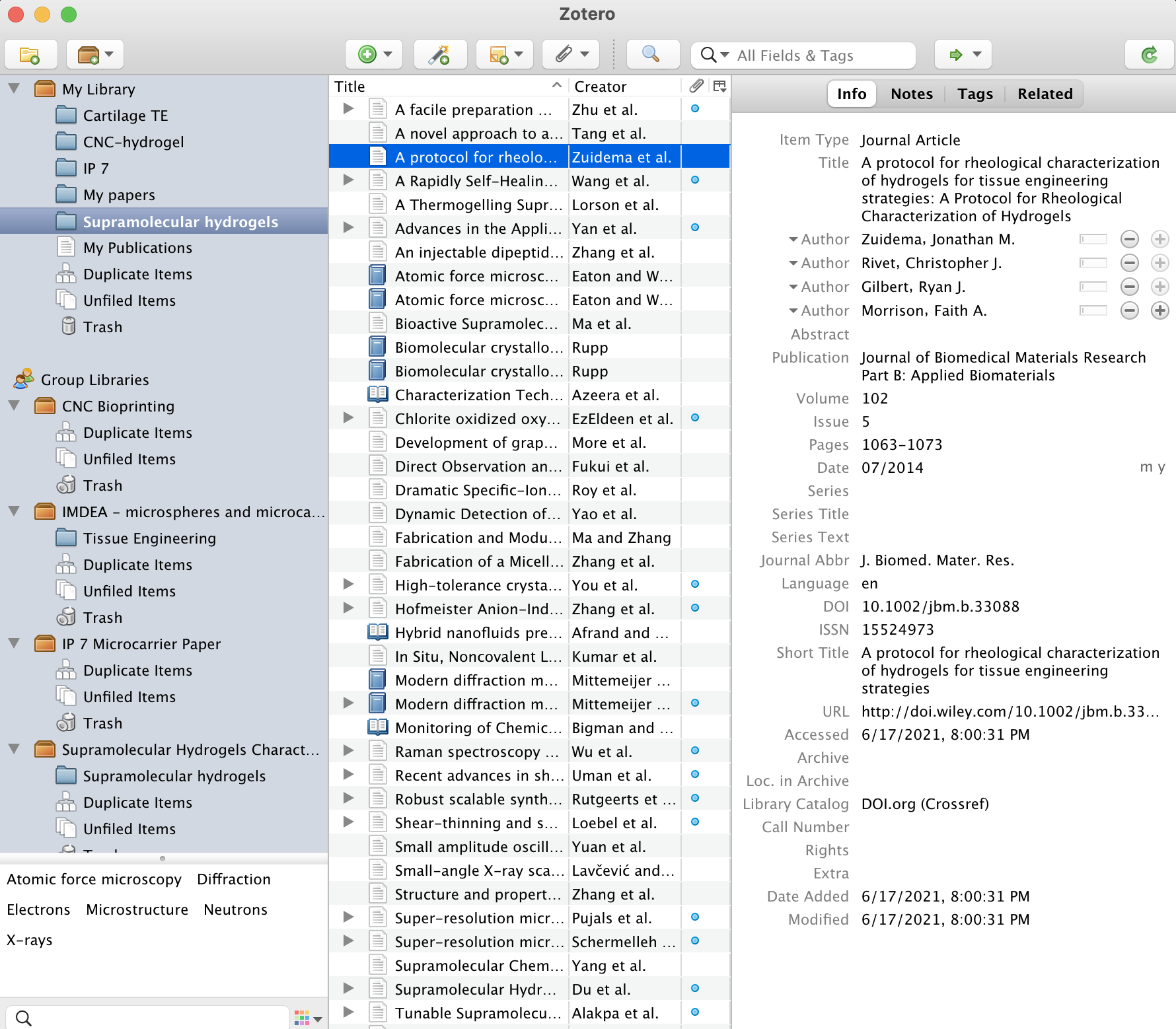
Before this summer, I had never heard of Zotero, Mendeley, or any reference management applications, and instead, I usually turned to APA or MLA style guidelines and did my citations by hand. However, it can be cumbersome to manage all the references at once, especially when writing papers that have a seemingly never-ending list of references. This is where Zotero or Mendeley can help out. I first started using Zotero during my summer internship when I was writing two biomaterials review papers, which I mentioned in my last post. Both of these papers had around 120 references, making a reference manager like Zotero an essential tool for keeping track of all the citations.
I would highly recommend using a reference manager for longer projects or papers, such as for junior independent work or senior theses, because it helps with organization and saves you time when adding references. In this post, I put together a guide for using reference managers, specifically Zotero because I am most familiar with it. However, take a look at this previous post on using Mendeley if you want to learn more about that.
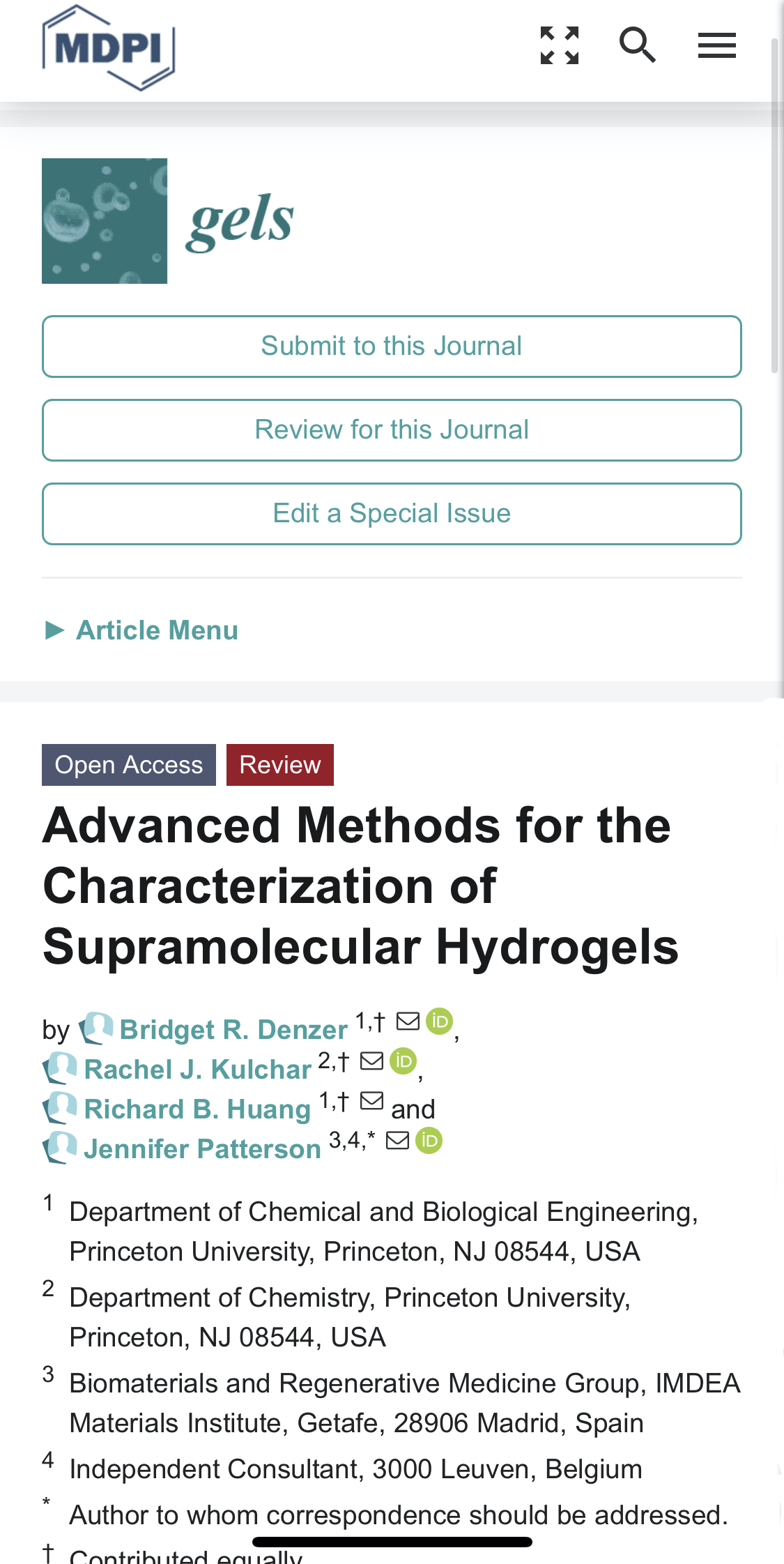
An important part of research is writing and publishing papers in peer-reviewed academic journals. Through a Princeton-alumni sponsored internship last summer, I was fortunate enough to co-author and publish two materials science review papers, one in a journal called Gels and the other in the International Journal of Molecular Sciences, both a part of the Multidisciplinary Digital Publishing Institute, or MDPI. Since the publishing process was entirely new to me, I thought it would be helpful to give some insight into what publishing looks like, which is helpful especially if you are interested in pursuing research in graduate school. I will note that although having published papers is helpful for admission to graduate school, it is by no means required.
One of the review papers that I co-authored and published through my summer internship
This past summer, I conducted research remotely with the Global Health Internship program in the Metcalf lab working with Dr. Marjolein Bruijning from the EEB department. While Dr. Bruijning guided me extensively throughout the project, I was given a lot of independence on the research topic I wanted to explore within the internship area of the effect of microbes on health. I have been able to continue my summer project throughout the semester, but I wanted to take the opportunity to reflect on my experience as a research assistant and the process of starting a project, which is becoming especially relevant as I start my Junior Independent Work. This post summarizes some of the insights I gained and the lessons I learned that I hope will be helpful in making the most out of your next research experience.
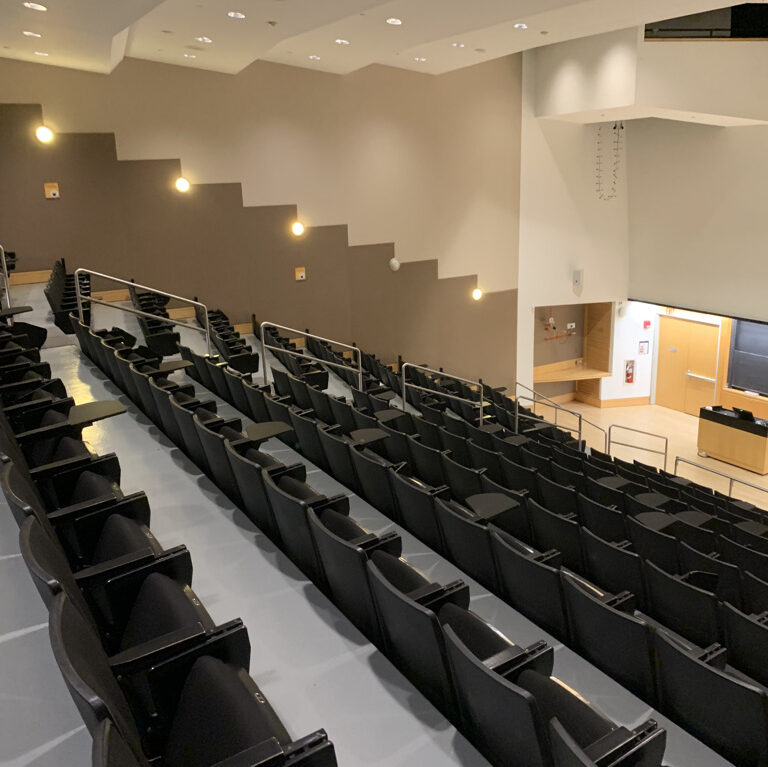
With midterms being in full swing this week, you’ve most likely started reviewing concepts and studying for these exams. However, another crucial part of the preparation process is to readjust to the in-person exam experience. After a year and a half of taking exams virtually, it is important to recognize that exams in the classroom will look and feel very different, so don’t let that take you by surprise. Whether you are studying for midterms or want to start thinking about final exams, here are a few key tips when it comes to taking exams at Princeton in person:
McDonnell A01, a large lecture hall where one of my midterms is taking place this semester
Writing the literature review section for a scientific research article can be a daunting task. This blog post is a summary of what I have personally found to best help when writing about scientific research. I hope some of these tips can help make the process an easier and more fulfilling experience!
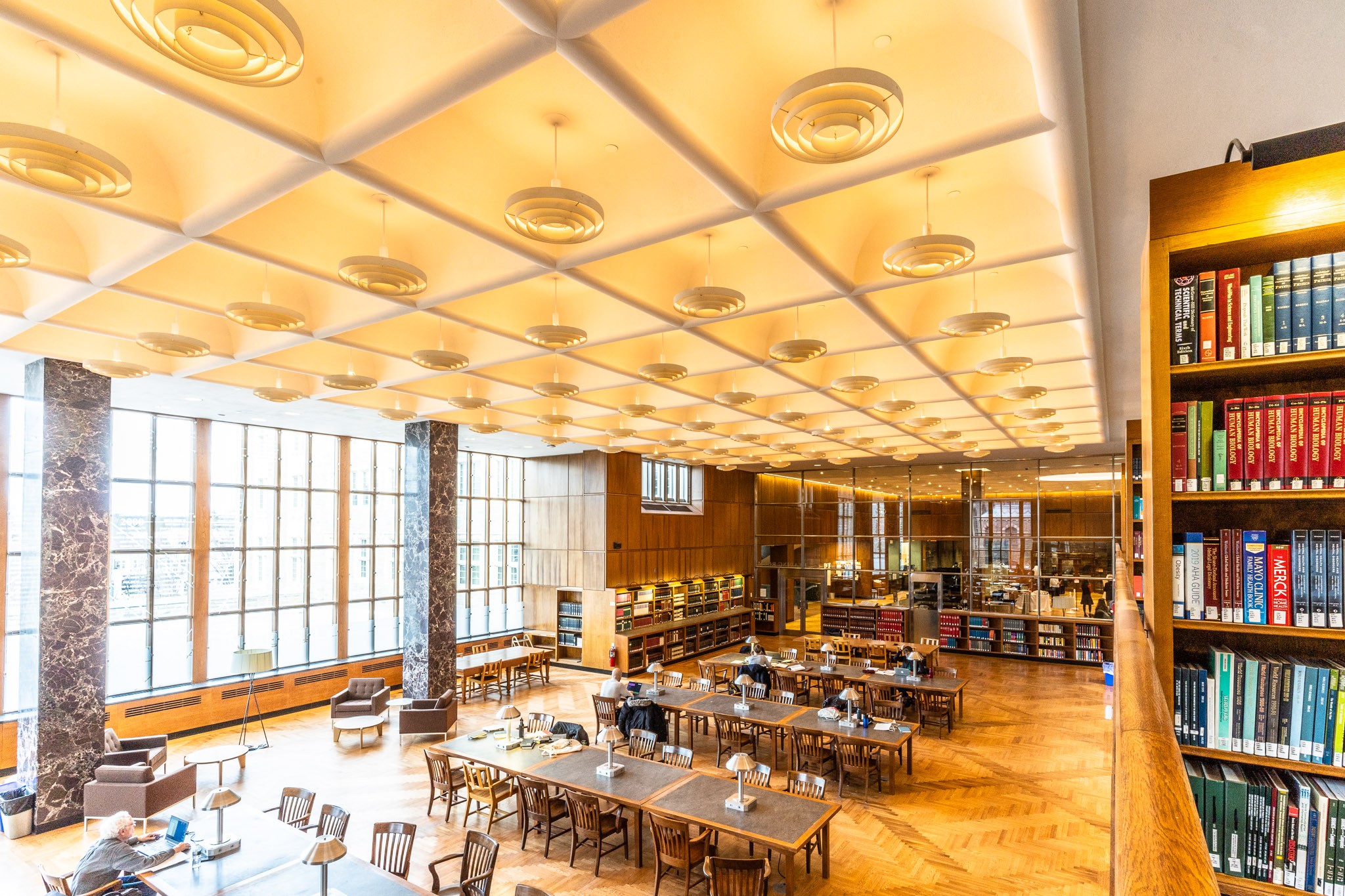
The Trustee Reading Room in Firestone Library, the hub of the entire Princeton University Library systemand one of the largest libraries in the world.
Beginning a research project is often a daunting task. Often, when I begin a project, I have the vaguest idea of what to research. Sometimes, I don’t know where to begin looking. Given that Firestone is one of the largest open stack libraries in existence, there are literally millions of books, journals, anthologies, and other pieces of literature to sift through. The process of identifying the literature that will propel a research topic is thus often the most tiring part, but thankfully, there is a solution: the wonderful Princeton librarians!
So, who are these librarians?
In fact, each undergraduate student at Princeton is assigned their own personal librarian. This librarian is supposed to act as your direct liaison between the library system and yourself. You can go to them to receive guidance on how to navigate the stacks, learn how to take advantage of different workshops and programs, or even just have a chat. My personal librarian, Ellen Ambrosone, almost always sends me an email every semester to remind me of her services. Often, she also includes a picture of her dog! Regardless, these librarians are meant to be friendly faces in a huge space, so do reach out to them with any inquiries about your research or the library system writ large!
The Princeton University Library system also hosts a large array of different subject librarians, each specializing in their own discipline. For example, Steven Knowlton is one of the subject librarians for both History and African American Studies. Thus, a student interested in a topic pertaining to History and/or African American Studies might want to reach out to him in order to identify literature that may be pertinent to your research topic.
Firestone is not only beautiful in person, but its virtual resources can also provide you with the necessary tools to begin your research journey
I know the feeling all too well of sitting down to write a paper and debating for hours about which topic to choose. There are thousands of research questions to explore, so how could you possibly decide on one, and better yet devise a significant and impactful paper from it? These thoughts have swirled through my head just this past week as I sat down to write a paper for one of my law courses. There was so much information that I wanted to include, therefore I struggled to pick one topic. So if you are feeling this way too, remember that you are not not the only one who has encountered these obstacles. I would like to share with you the strategy that I use to break out of this rut and discover a topic and question that I’m both passionate about and can conduct appropriate research on. This is by no means the only way to break you out of a tough writers block, but hopefully my advice can help you move along on your research journey.
For this Spring Seasonal Series, entitled Doing Research in a Pandemic, each correspondent has selected a researcher to interview about the impact of the pandemic on their research. We hope that these interviews document the nuanced ways the pandemic has affected research experiences, and serve as a resource for students and other researchers. Here, Austin shares his interview.
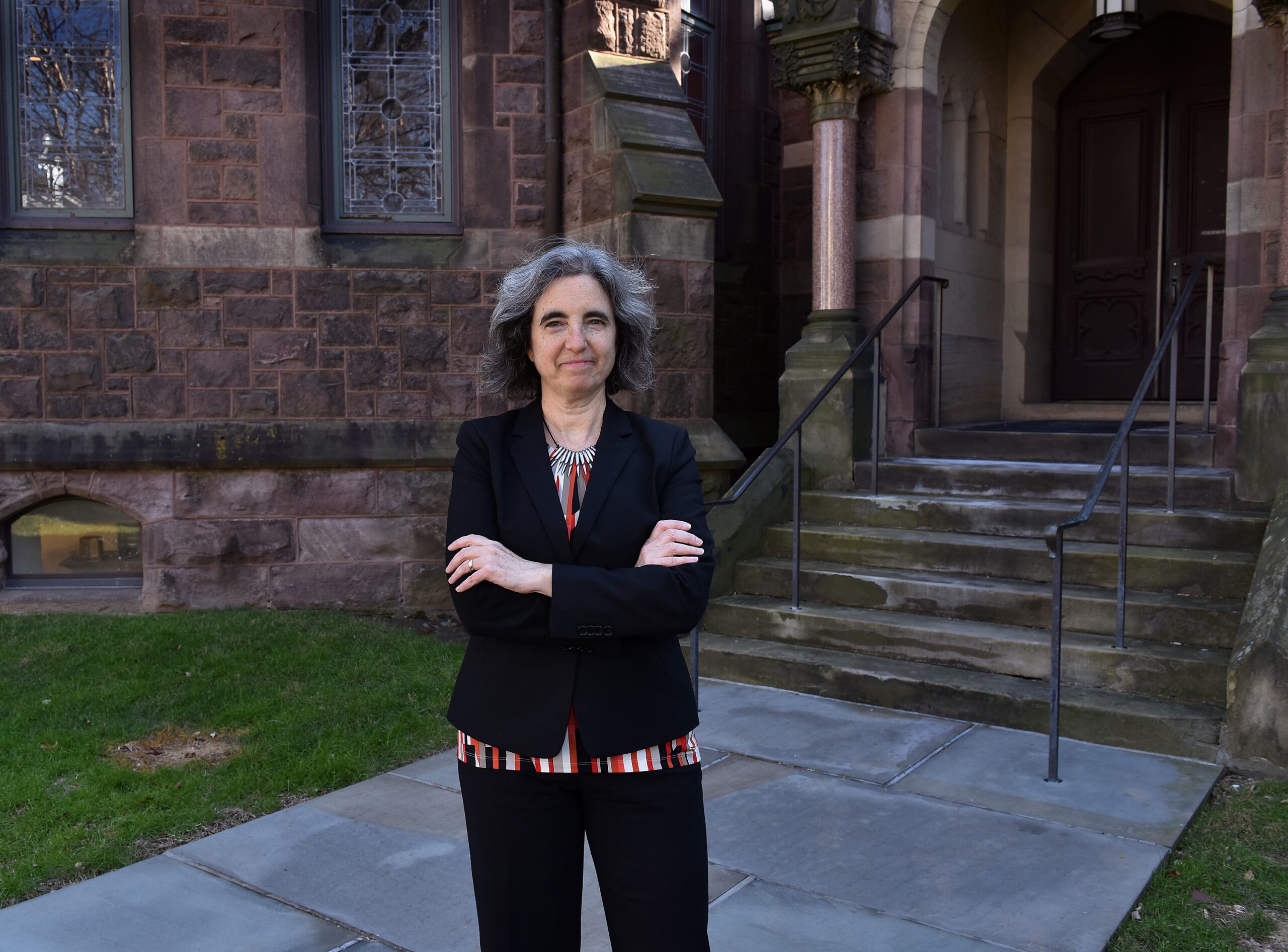
Professor History and Co-Director of the Princeton-Mellon Initiative in Architecture, Urbanism, and the Humanities Alison Isenberg plans to finish a draft of her upcoming book, Uprisings, soon.
As part of our seasonal series, I interviewed Professor of History and Co-Director of the Princeton-Mellon Initiative in Architecture, Urbanism, and the Humanities, Alison Isenberg. A scholar of the American city and its contested history, Professor Isenberg is currently wrapping up her next book, Uprisings, which she sat down with me to discuss. Professor Isenberg, who took a sabbatical this year to drill down on the draft for Uprisings, details the contents of her book, how the pandemic changed the way she researches, and the implications of her book in our tense political moment.
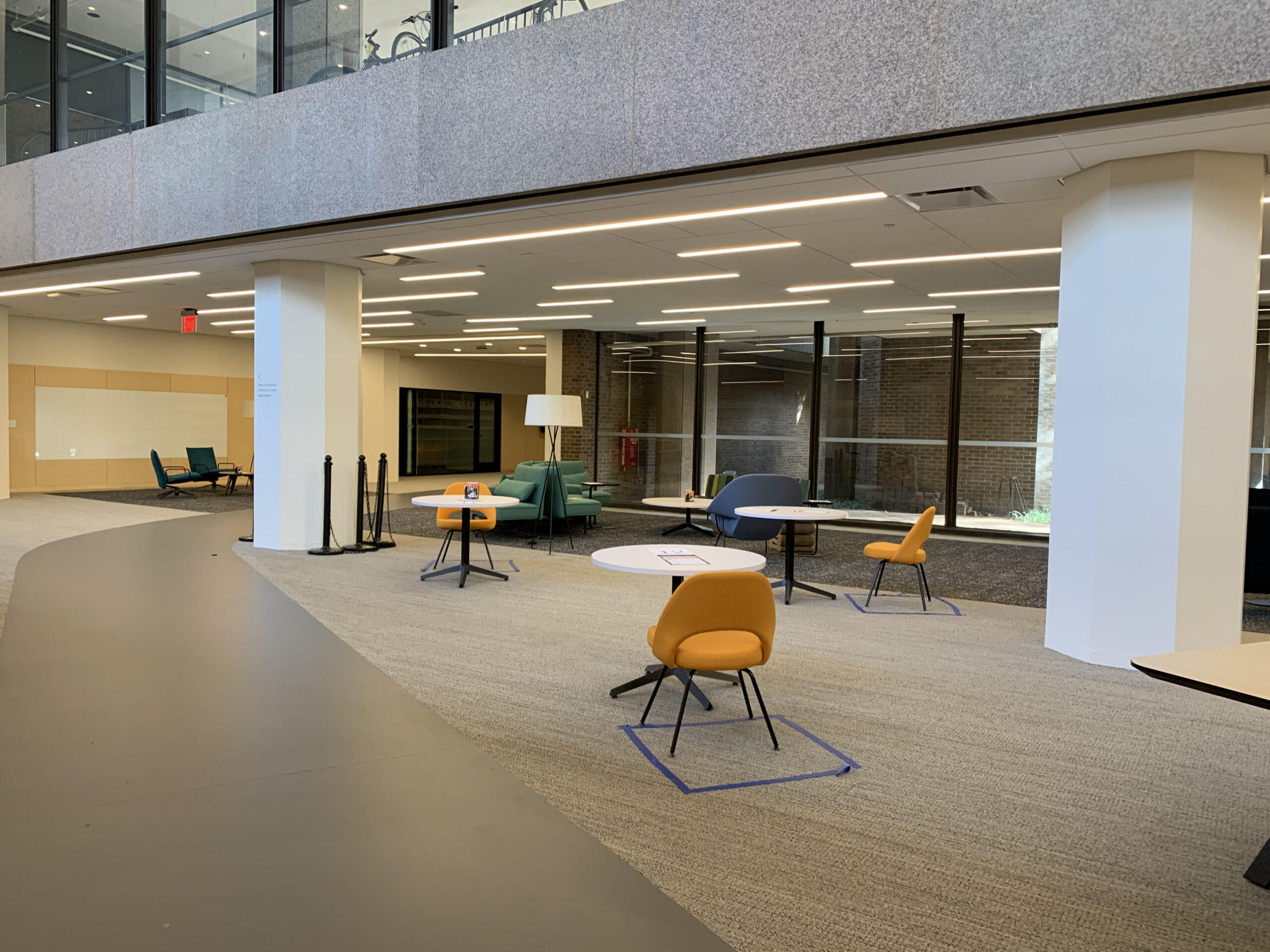
A view of the North Study section of the new Engineering Library underneath Fine Hall.
Last school year, during my first year at Princeton, I rarely ventured out to study in the libraries, instead preferring to stay in the comfort of my dorm room. However, after spending the fall semester at home, I realized just how much I missed the Princeton libraries, and I regretted not taking advantage of this amazing resource more often while on campus.
Going into spring semester, I challenged myself to explore the many incredible study spaces on campus that I had never been to. I was partly inspired by this post on the best study spaces on campus, and I wanted to provide an update on how studying on campus during a pandemic is like. A lot of the logistics around studying in the libraries have changed due to new Covid-19 regulations. So, in this article, I am going to lay out the changes to the Princeton library system and provide an update on some of the best new study spaces on campus.