Categories
Conduct Research Get Started with Research

Missed the First ReMatch Dinners? I Got You Covered

Photo of ReMatch table at the Carl A. Fields Center Multipurpose Room. Mentors and mentees are standing around a tall bistro table covered in an orange tablecloth.
Great conversations were happening at the Computer Science and Quantum Studies table at the October 13th ReMatch Meet and Greet

Princeton gives its farthest walks to its strongest academic weapons. Still, sometimes schlepping all the way to the Carl A. Fields (CAF) Center is just a bit too much. If you felt like this around 6:00pm on Tuesday October 4th or Thursday, October 13th, you just may have missed the first ReMatch dinner. No worries! I am here to fill you in on what you missed and hopefully convince you that the next one is worth the walk. First things first, ReMatch (developed and led by the Office of Undergraduate Research and the Graduate School) is a program that helps match first- and second-year undergraduates interested in research with graduate student and postdoc researcher mentors. Mentor and mentee pairs that develop potentially embark on a summer of research in Princeton fully funded by the university. At the dinners, students can eat catered food, mingle, and chat with researchers at tables. 

Categories
Conduct Research

I Survived getting rejected (and you can too)

Photo depicts a female-presenting Asian person with black glasses and long light hair staring at their laptop screen biting a pencil looking frustrated.
Woman looking at laptop screen and biting pencil in frustration

When I finally got rejected from the international internship in Portugal I applied to, I was crushed. I had worked so hard on the application, done practice interviews, and had relevant work experience. I felt that surely I would at least get an interview, and probably be welcomed into the program with open arms. I had chatted with someone else who did the same program and loved it, and I imagined myself strolling the glorious halls of the cutting-edge research facility I would work in. But then the notification date came and passed. “Oh well,” I thought, “I applied to some High Meadows Environmental Institute (HMEI) internships in cool places, surely one of those would work out!” Nope. With the summer break growing ever nearer, it seemed I was officially out of luck. It felt like all of my friends had these grand plans in places around the globe I never even imagined traveling, but I was stuck.

Categories
Conduct Research

Failure: Science’s Beauty and the Beast

In my junior year of high school, through my conversations with more and more teachers and scholars, I thought I had come to understand the importance of one inevitable piece of the scientific process (or really any academic discipline):

Failure.  

Categories
Conduct Research Independent Work Present & Publish Findings

Experiences in the ReMatch+ Program: An Interview with Kasey Shashaty ’23 – Part 1

Kasey Shashaty is a junior majoring in Electrical and Computer Engineering. She began working at the PULSe (Princeton University Laser Sensing) Lab in the summer of 2021 and has been working with them since. In this interview, Kasey and I discuss how she got involved in this lab through the ReMatch+ program, her experiences working in the lab both virtually and in-person, and where she is taking her experiences in the future. 

Kasey Shashaty ’23
Categories
Plan Beyond Graduation

Graduate Studies and Careers in Public Service: an Interview with Professor Iqbal Zaidi – Part 2

In the second part of the interview with Professor Zaidi, the discussion gradually veers away from his career, and we go into his advice for students, the courses he loves teaching, and what he learned about making plans and still being flexible.

For those who missed the first part of the interview, please read it here.

Categories
Conduct Research Get Started with Research Present & Publish Findings Research Life

What are First-Years Researching? An Interview With My Legendary Zees

My zees (Kyung and Jaehee) and I getting ready for Clash of the Colleges. Whales love research!!!!!

     On campus, I am a Residential College Adviser in Whitman College. It is by far the most meaningful part of my Princeton experience and I am thankful every day to have such amazing advisees (zees). In the fall, I decided to interview some of my zees on the incredible research that they have done on campus and how they became involved in this research. My freshmen show that research does not always mean working in a lab or on a senior thesis like many often assume. There are so many different ways to become involved with research on campus, whether it’s through writing a paper or joining an academic club. My hope is that seeing the research that my zees did last semester will inspire you to do your own and also show you what research on campus can look like for first years. So, without further ado, here is the research conducted by the most legendary zees of all time:

Categories
Conduct Research Independent Work Present & Publish Findings

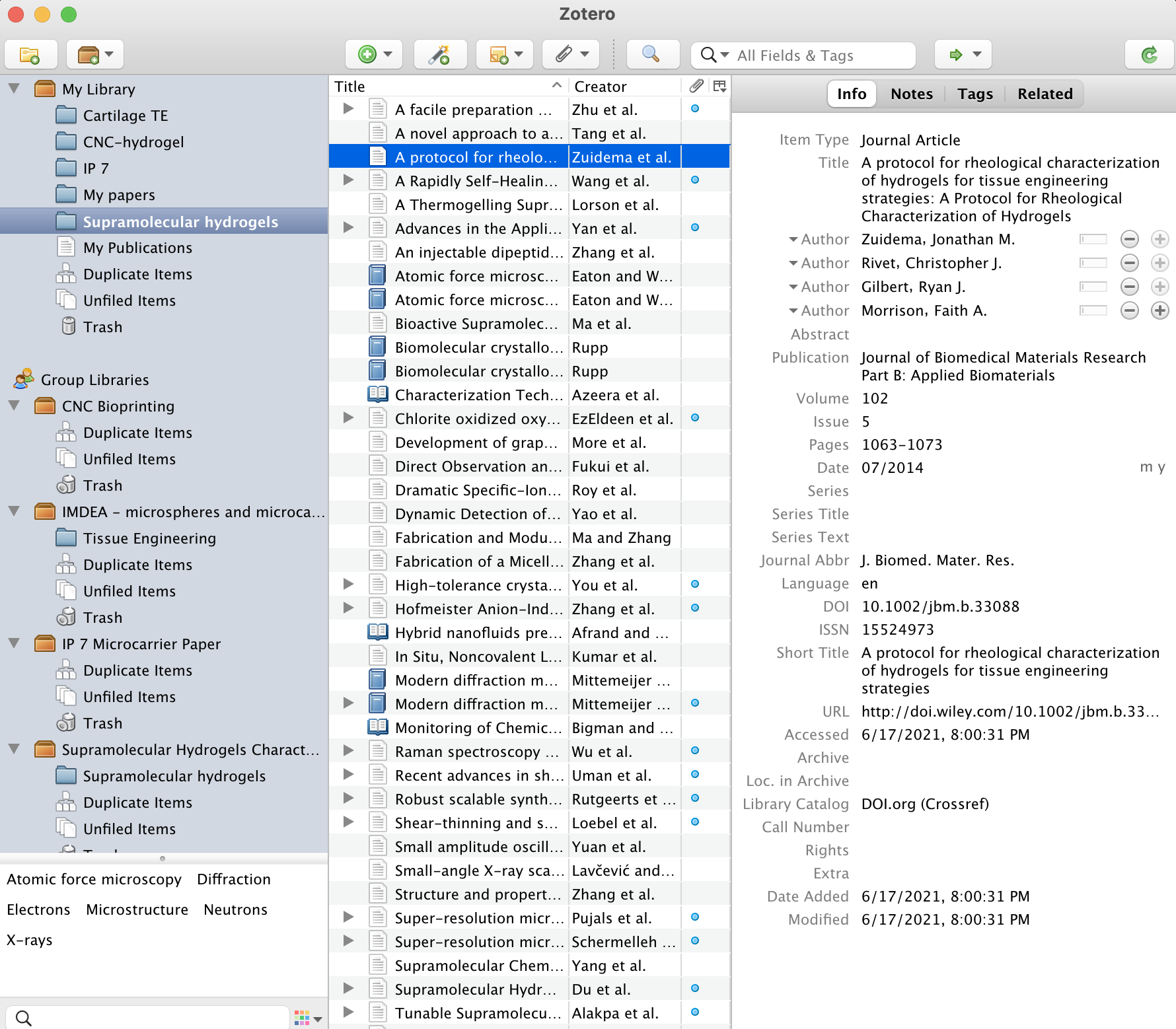
New to Zotero? A Guide to Using Reference Management Applications

Before this summer, I had never heard of Zotero, Mendeley, or any reference management applications, and instead, I usually turned to APA or MLA style guidelines and did my citations by hand. However, it can be cumbersome to manage all the references at once, especially when writing papers that have a seemingly never-ending list of references. This is where Zotero or Mendeley can help out. I first started using Zotero during my summer internship when I was writing two biomaterials review papers, which I mentioned in my last post. Both of these papers had around 120 references, making a reference manager like Zotero an essential tool for keeping track of all the citations.

I would highly recommend using a reference manager for longer projects or papers, such as for junior independent work or senior theses, because it helps with organization and saves you time when adding references. In this post, I put together a guide for using reference managers, specifically Zotero because I am most familiar with it. However, take a look at this previous post on using Mendeley if you want to learn more about that.

The homepage of my Zotero application
Categories
Conduct Research Independent Work Present & Publish Findings

A Look into the Publishing Process for Academic Journals

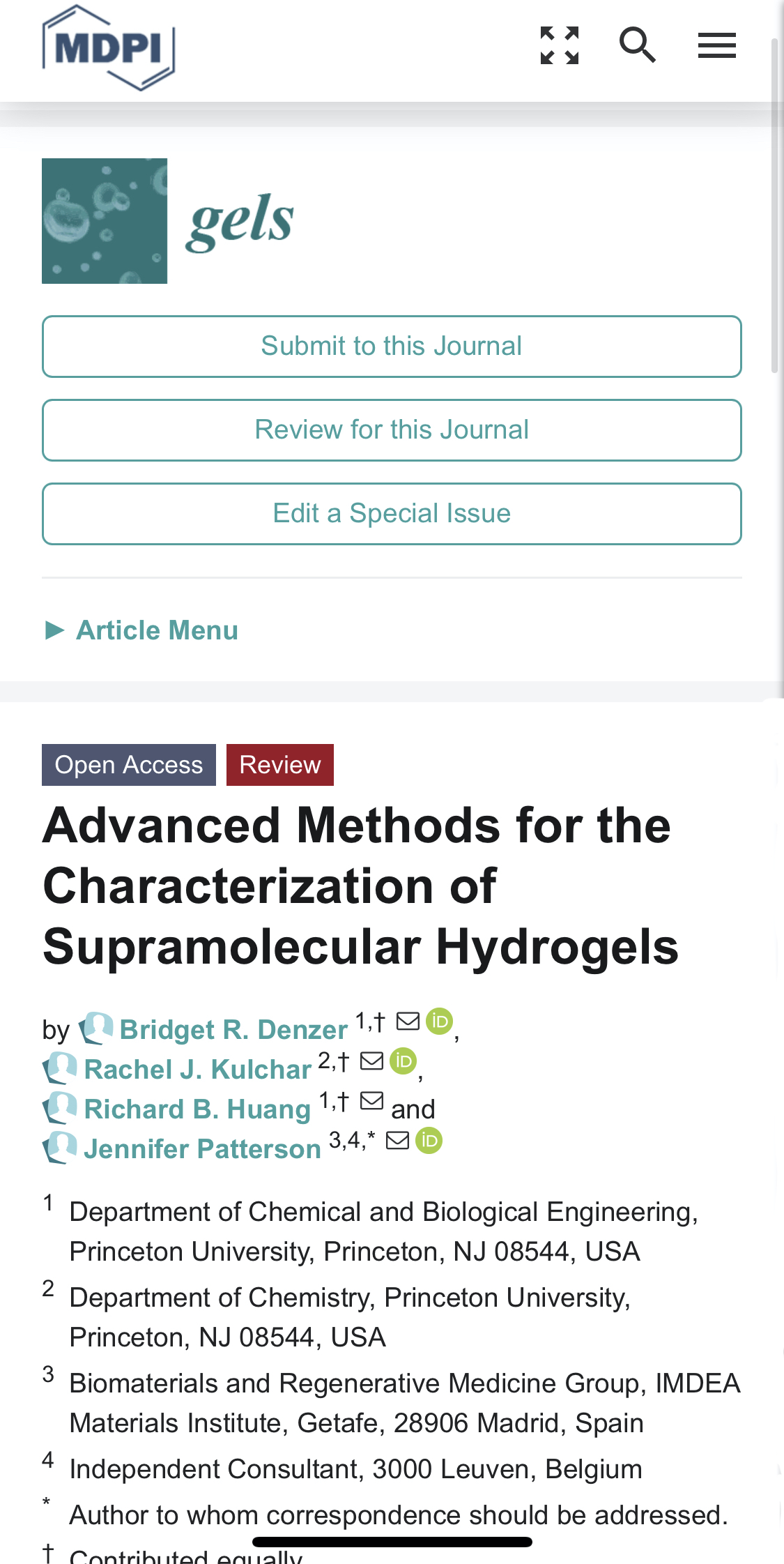
An important part of research is writing and publishing papers in peer-reviewed academic journals. Through a Princeton-alumni sponsored internship last summer, I was fortunate enough to co-author and publish two materials science review papers, one in a journal called Gels and the other in the International Journal of Molecular Sciences, both a part of the Multidisciplinary Digital Publishing Institute, or MDPI. Since the publishing process was entirely new to me, I thought it would be helpful to give some insight into what publishing looks like, which is helpful especially if you are interested in pursuing research in graduate school. I will note that although having published papers is helpful for admission to graduate school, it is by no means required.

One of the review papers that I co-authored and published through my summer internship
Categories
Conduct Research

Jumping In and Out of Virtual Research

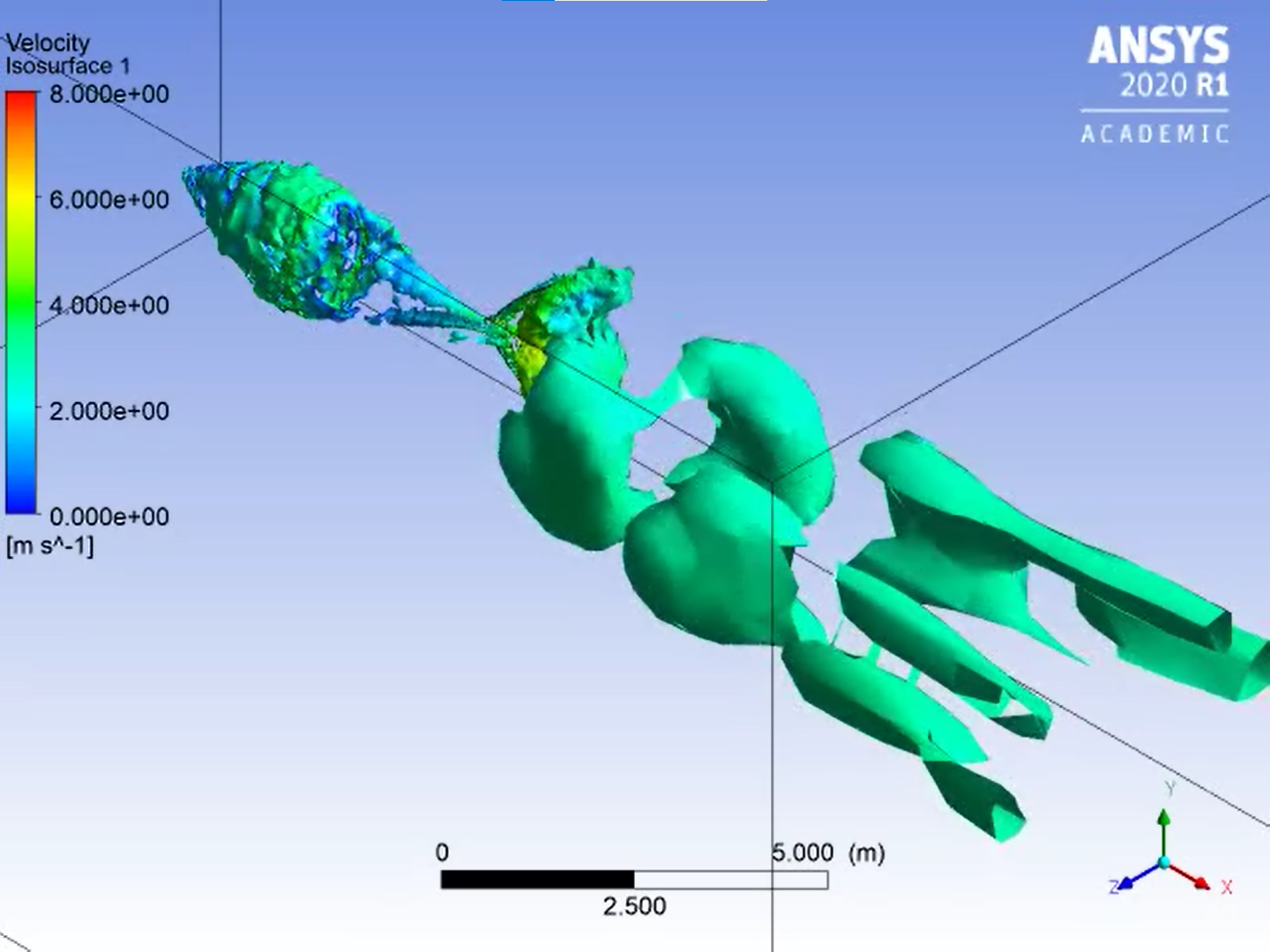
When I entered my sophomore year in the fall of 2019, I was determined to get more hands-on engineering experience. I applied for a High Meadows Environmental Institute Internship to do research on a robotic tuna at the Princeton Gas Dynamics and Fluid Dynamics Lab. I was fortunate enough to have been accepted to the internship, and I spent the early part of 2020 getting ready to work under the tutelage of Professor Alexander Smits and postdoctoral scholar Dr. Liuyang Ding. The project was to conduct an experiment where we would measure the generated thrust force, power, and efficiency of a robotic tuna.

Image is owned by the author
Virtual simulation of the robotic tuna in ANSYS Fluent
Categories
Independent Work Present & Publish Findings

Reflections on my Summer Internship and Tips for Starting the Research Process

This past summer, I conducted research remotely with the Global Health Internship program in the Metcalf lab working with Dr. Marjolein Bruijning from the EEB department. While Dr. Bruijning guided me extensively throughout the project, I was given a lot of independence on the research topic I wanted to explore within the internship area of the effect of microbes on health. I have been able to continue my summer project throughout the semester, but I wanted to take the opportunity to reflect on my experience as a research assistant and the process of starting a project, which is becoming especially relevant as I start my Junior Independent Work. This post summarizes some of the insights I gained and the lessons I learned that I hope will be helpful in making the most out of your next research experience.