On Action and Optimism: Notes from the 13th International Coral Reef Symposium

In the summer of 2016, it is difficult to find optimism in the field of environmental science.

Yet last month, I gathered with a throng of 2,500 coral reef scientists for the International Coral Reef Symposium (ICRS) in Honolulu. Knowing the extent of the tragic coral bleaching and death that has unfolded on coral reefs this year, I expected a week of doom and gloom. But, to my surprise, the conference gave me more cause for hope than for pessimism.
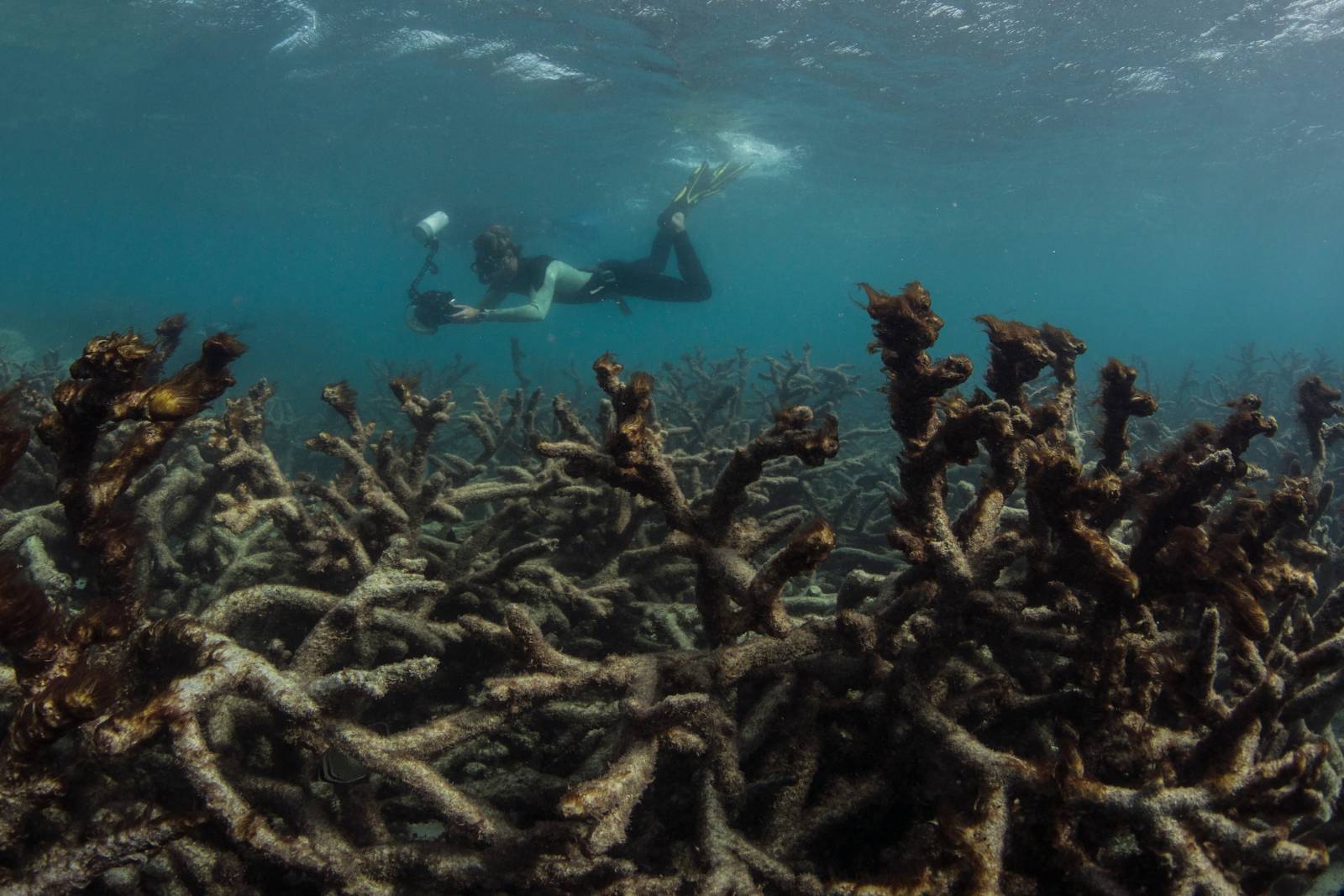
A wasteland of dead coral on Lizard Island, the Great Barrier Reef, this June. High temperatures have caused record bleaching and coral death this year.
A wasteland of dead coral on Lizard Island, the Great Barrier Reef, this May. High temperatures have caused record coral bleaching and death this year.

This is not because the situation facing coral reefs is any better than I’d thought – if anything, it’s worse. Rising greenhouse gas concentrations, warming waters, and stagnant politics have put the biodiversity of coral reefs, along with many other ecosystems, into a sharp decline. On the Great Barrier Reef – a vibrant ecosystem so structurally significant that, unlike the Great Wall of China, it can be seen from space – nearly 25% of coral is dead, from this year’s bleaching alone. At one panel at ICRS, researchers shared photographs and time-lapse footage of coral bleaching and subsequent death around the world. As they flicked through photo after photo, the conference hall adopted the atmosphere of a funeral.

No, things are not looking good for coral reefs, or for many other ecosystems struggling to keep up with the whirlwind of environmental change that stems from human overpopulation, consumption, and industrialization. One scientist, Peter Sale, called coral reefs a “canary” in the proverbial coal mine that is our changing earth. “There are a whole bunch of canaries that are at risk,” Dr. Sale said. “And when the canaries go, our civilization goes.” Continue reading On Action and Optimism: Notes from the 13th International Coral Reef Symposium

Senior Reflection: “2020” Vision

FotorCreated
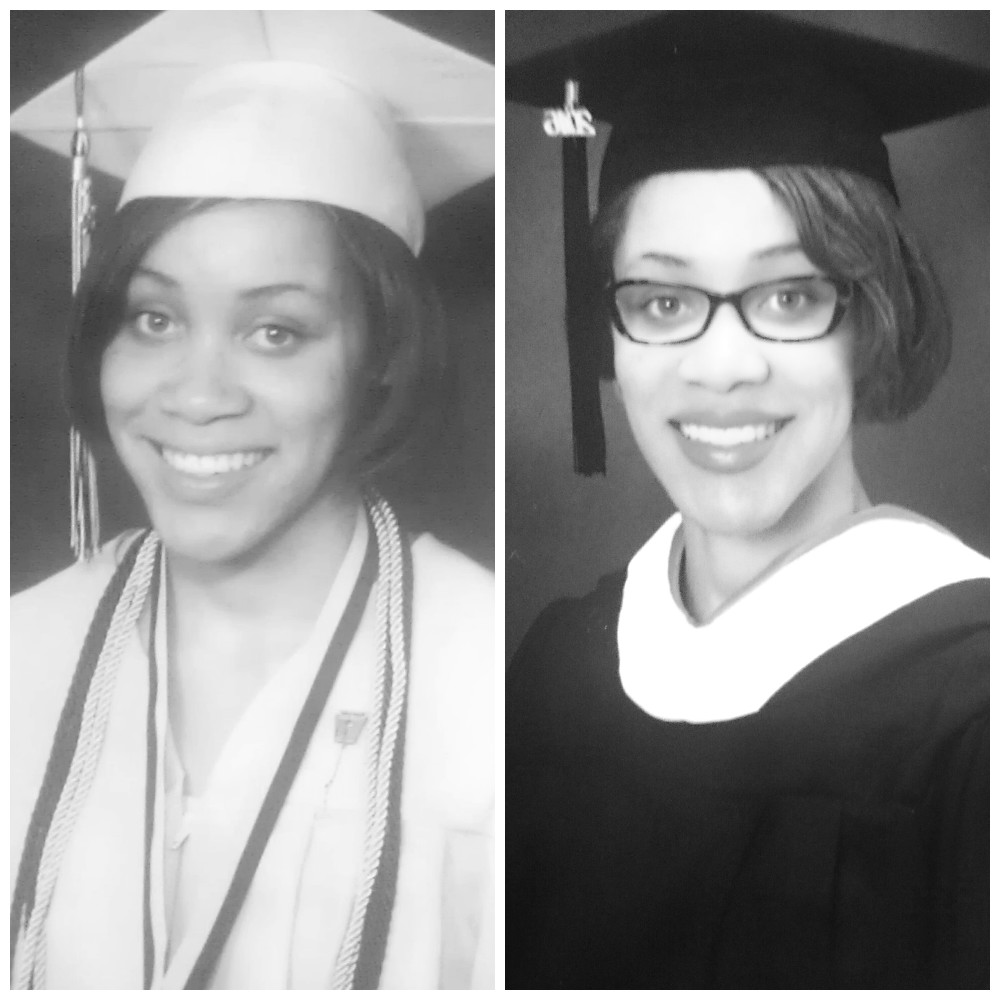
From high school graduation to college graduation; these four years have flown by!

Last week, I received a message from a senior at my old high school. He told me that he is attending Princeton as member of the Class of 2020 — and words can’t explain how excited I am. Very few people from my small town end up going to schools in the Ivy League, so I felt a great sense of pride knowing that someone else would be “living the dream”! I decided to meet up with him and his mom to answer any questions they had about Princeton, especially in relation to our shared background as middle-class Americans from suburban Delaware. Meeting with the incoming freshman led me to do a lot of reflecting on my own Princeton experience.

Continue reading Senior Reflection: “2020” Vision

Just When You Think the Year is Over, the Best is yet to Come

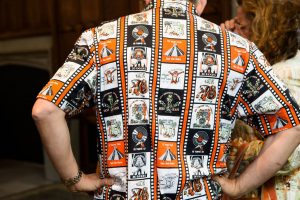
At Reunions, you can always identify the alumni by the wacky orange and black jackets custom-designed for their class!

Back during exam period, when I unenthusiastically headed to the depths of Firestone for intense study sessions, I was motivated by a few exciting prospects. Most obviously, there was the idea of being done with exams and embarking on refreshing summer experiences. But for many Princeton students, the end of the school year also entails one of the University’s oldest and most eagerly awaited traditions: Reunions.

Reunions is a three-day period at the end of May when all Princeton alumni are invited back to campus for a weekend of fun events, celebration and socializing. Graduating seniors get to attend, as do many other undergraduates who are participating in or working at events. I have the opportunity to go this year because I’m performing at Reunions with Princeton University Ballet. (If you are interested in attending our show–which is free and open to the public–it will be in the Frist Film and Performance Theater at 6:00 pm on Saturday, May 28!)
Continue reading Just When You Think the Year is Over, the Best is yet to Come

Why I Want to Remember Some Painful Memories at Princeton, Too

IMG_8456
Seniors have been forcibly reminded of graduation by senior checkout, where we’ve had to pick up our cap and gown among a long list of other things. 

I’ve handed in my thesis and my lab notebooks to my advisor. I’ve cleaned up the equipment I’ve piled in the corner of the methane sensor cabinet in the lab. I’ve explained my system, with all its lingering imperfections, to my group members. I’ve told them to give my lab screwdriver a new home.

That was how my time in the Princeton University Laser Sensing Lab came to a close. Graduation seems to be a time to celebrate all our successes, and to (already!) feel nostalgic for the good times we’ve had at Princeton. That’s natural. But after such a long and difficult journey, only remembering where I’ve gone right seems oddly one-sided. I wouldn’t be capturing some of the most important takeaways from Princeton if I only remembered the happy times.

Continue reading Why I Want to Remember Some Painful Memories at Princeton, Too

Research is about (retrospectives)

It’s been one h*** of a ride.

I came to Princeton because I planned on being a research scientist, probably in academia. I knew what came next, and it was exciting: four years of undergrad, five years of PhD, and a two-year post-doc, so I could have a real job by the time I was 30That meant I needed research experience, and boy oh boy did Princeton provide research experience.

icahn-long
Icahn, where my research journey at Princeton began

Research is about exploring the unknown, and from the beginning I did just that. As a student in the Integrated Sciences Curriculum (ISC), I had to learn MATLAB, LaTeX, ImageJ, JAVA, and countless other acronyms and jargon. And I had to learn them fast, using them to solve problems and write about them, in an ordeal I described as “drinking the nectar of Olympus—from a fire hose.”

Continue reading Research is about (retrospectives)

Failure at Princeton: A Conversation with Graduating Seniors

Over the past few weeks, Princeton professor Johannes Haushofer has received a lot of attention for his CV of Failures, in which he chronicles his lack of success in various academic pursuits. Many have called Professor Haushofer’s CV inspiring — because most of us rarely hear about the trials and tribulations of acclaimed individuals.

We also rarely hear about the trials and tribulations of graduating seniors. Our default is to view graduating seniors as 100% successful in all their endeavors,  especially those who receive prestigious awards and fellowships. I thought it would be great to sit down with some award-winning members of the class of 2016 to hear their thoughts on the topic of failure.

Big thanks to seniors Andrew Nelson, Jack Mazzulo, and Cameron Bell for contributing to this conversation. But the conversation around failure doesn’t have to stop here! Consider reaching out to RCA’s, Peer Advisors, and friends to have meaningful conversations about success and failure.

— Jalisha Braxton, Natural Sciences Correspondent


Life After Graduation: Expanding my Options

Most Princeton students are worried about similar things. We covet internships as gateways to jobs after graduation. We seldom forget that graduate and professional school applications loom. We see post-grad options as neatly divided among four categories: corporate careers, graduate/professional degrees, fellowships, and (for a few) nonprofit work.

After five semesters at Princeton, this mentality has rubbed off on me. But my time studying in New Zealand has changed the way I see my options after graduation.

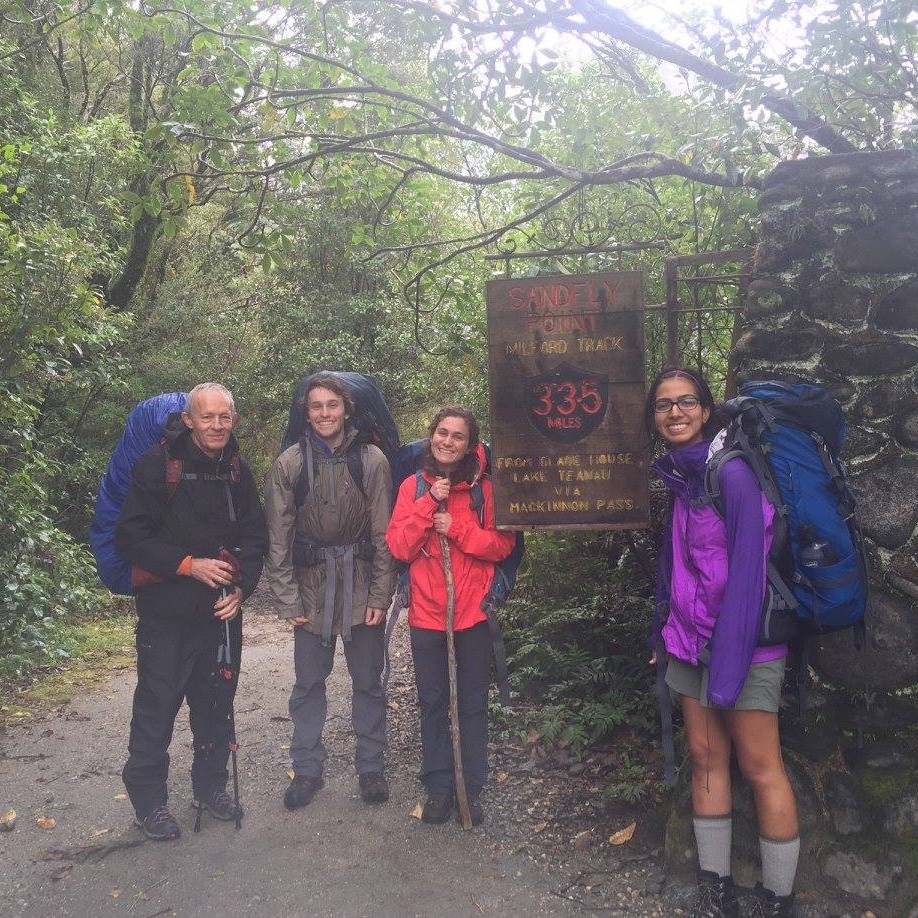
Two weeks ago, during my Easter break, I embarked on the Milford Walk, arguably New Zealand’s most famous hike. My favorite part of the four-day, three-night walk was the people I met along the way — Their experiences expanded what I saw as possible post-Princeton pathways. I met recent graduates from the United States, Israel, France, and Australia who were working abroad. Two Vanderbilt graduates worked in the hotel industry in Queenstown. A young woman from Pennsylvania took time to pursue art while working in the North Island’s tourism industry. A group of men who had finished serving in the Israeli Defense Force took a break before resuming life at home. Many of them moved to New Zealand without a set plan and used this work-travel time as a respite from college and professional life, where they could start to realize what kinds of careers really excited them.

Here I am with two travel buddies (in green and red) with our new Australian friend on the hike!
Here I am with two travel buddies (in green and red) with our new Australian friend on the hike! 

Continue reading Life After Graduation: Expanding my Options

Write something, write something awful, write everything

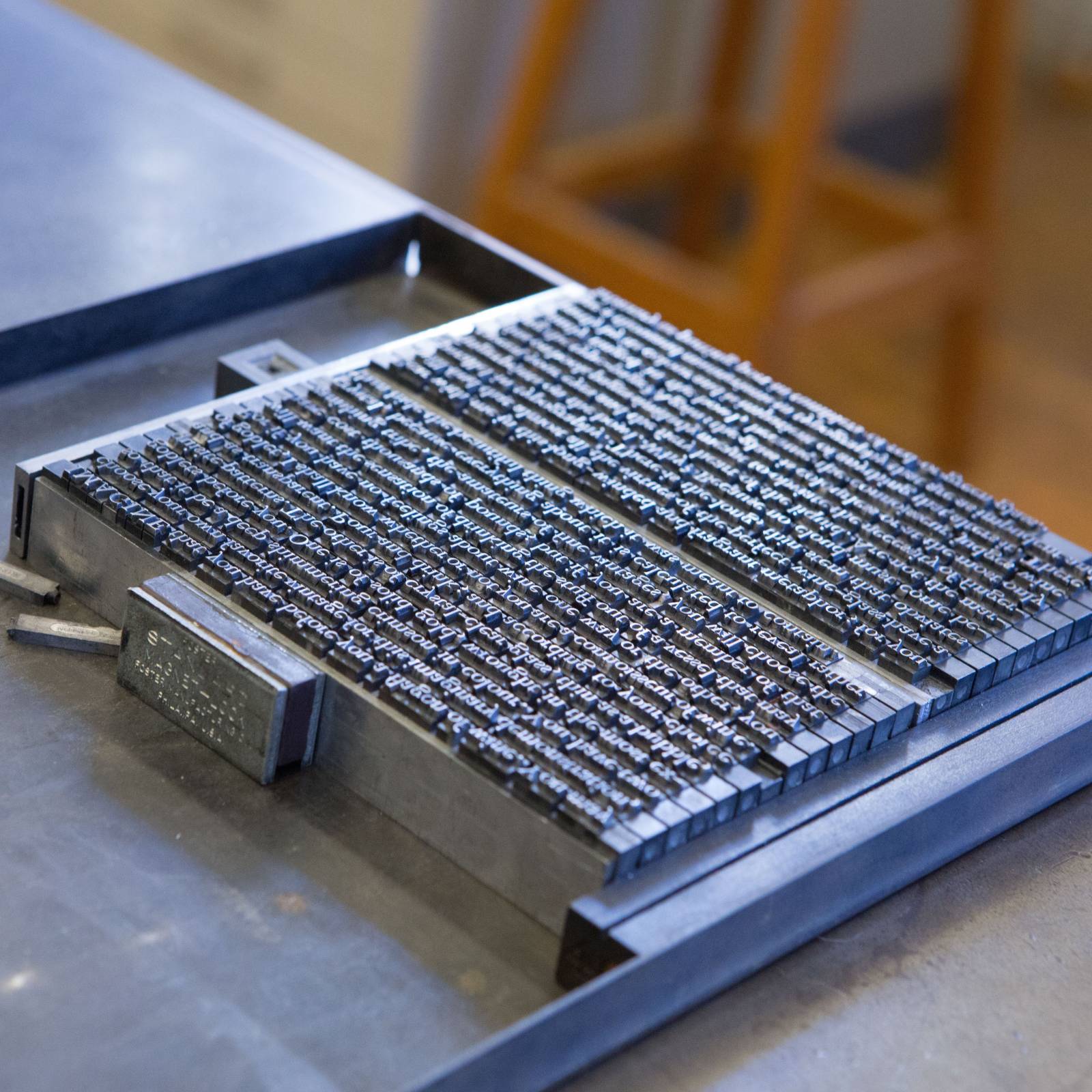
Unfortunately, writing isn't just the process of typing, or stamping words on paper. How do we get the words flowing in the first place?
Unfortunately, writing isn’t just stamping words on paper like this printing press does. How do we get the words flowing in the first place?

Recently, I’ve been thinking a lot about writing.

I’m sure part of it is because I just turned in my thesis, the longest written work I’ve ever completed. Another part, I’m sure, is my recent decision to go to grad school for science writing. While I’ve always enjoyed writing, I still find it difficult enough that it’s strange and terrifying to think I may soon do it for a living.

But even if you’re not taking that crazy leap like me, writing is a necessary part of research (among many, many other things). And like every other skill, writing only gets better through practice. But how you practice matters, and so — while much of the advice below can be summed up as “just keep writing, all the time” — here are three particular strategies that have worked for me.

Write something

If you’re stuck, just keep writing. There’s a lot of advice out there about how to make sure you have the best outline (and writing really is easier when you’re fleshing out an outline instead of pushing ahead blindly without any guidance). But even an outline can sometimes feel like too big of a step when you’re faced with the blank page.

Continue reading Write something, write something awful, write everything

Mentorship in Research: Advisers vs. Mentors

Over the course of the semester, PCURs will reflect on the professors, advisers, and friends who shaped their research experiences. We present these to you as a series called Mentorship in Research. Most undergraduates have met, or will meet, an individual who motivates and supports their independent work. Here, Jalisha shares her story.

~~~~~~

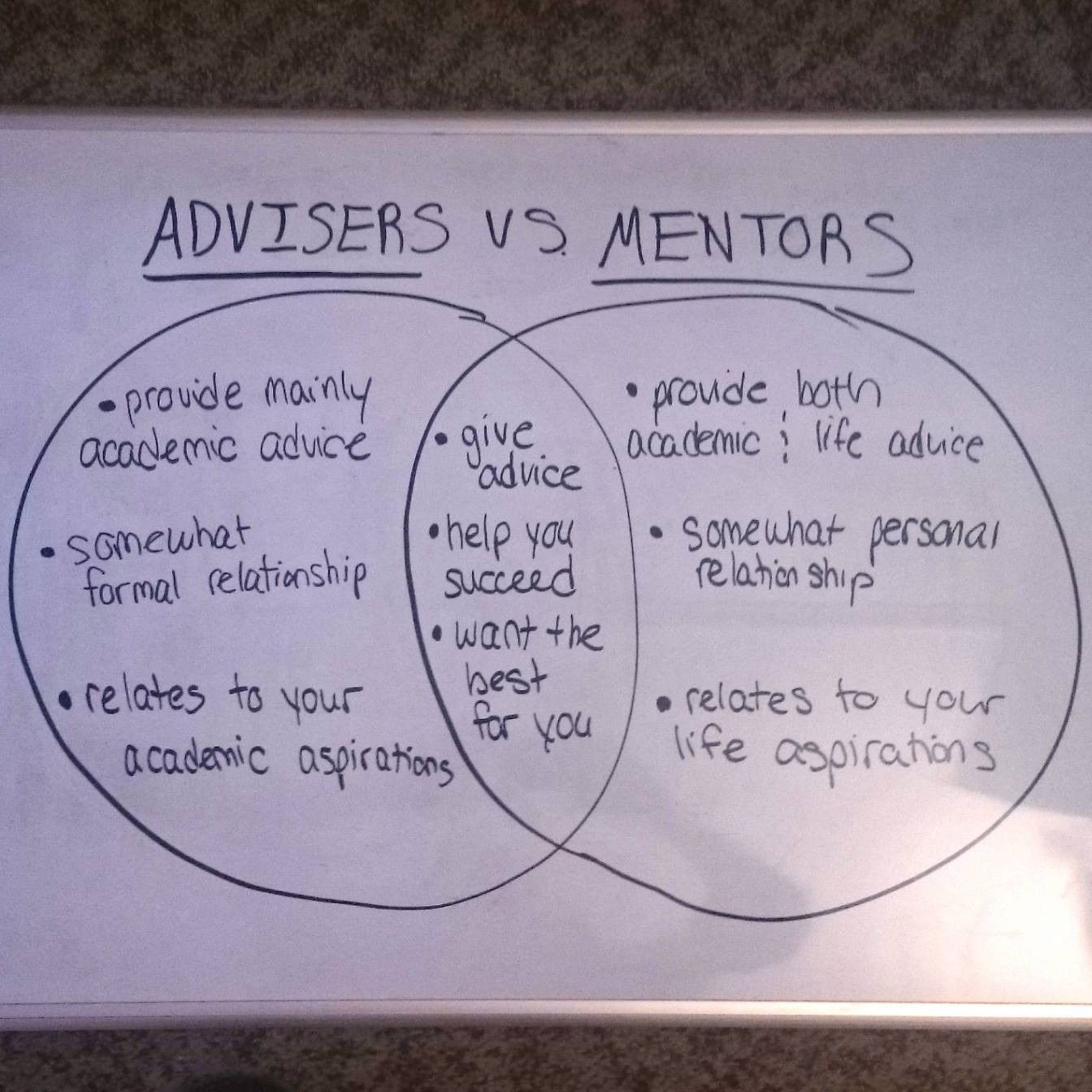
While mentors and advisers may seem similar, they can actually play very different roles in helping you succeed!

For the past few weeks, I’ve been thinking about advisers and mentors, trying to determine whether a distinct difference exists between the two. From my personal musings, I’ve concluded that the two are very different — It seems mentors invest more time and energy into learning your strengths, weaknesses, interests, and passions so that they can help you succeed. I decided to ask around campus to see what other students had to say about the topic, and found that many others had similar opinions:

  • Sophomore Malachi Byrd said that advisers push you academically while mentors tend to meet you where you’re at.
  • Junior Kushal Dalal remarked that mentors take you under their wing and go beyond the role of an adviser.
  • Senior Dennisse Calle stated that, unlike advisers, mentors take every part of your life into account

These conversations made me question the relationships I’ve formed with Princeton professors. While I’ve had many wonderful advisers who have helped shaped me academically (and who I’m extremely grateful for), very few of these relationships felt personal enough to call them “mentors”.

“How could this be?” I thought to myself after coming to this realization. “Did I miss out on the opportunity to be mentored by some of the greatest academics in the world?” Continue reading Mentorship in Research: Advisers vs. Mentors

Confronting environmental tragedy

The rapid loss of coral reefs is both heartbreaking and personal for me. I cannot visualize the future of coral reefs without feeling a tug of despair.

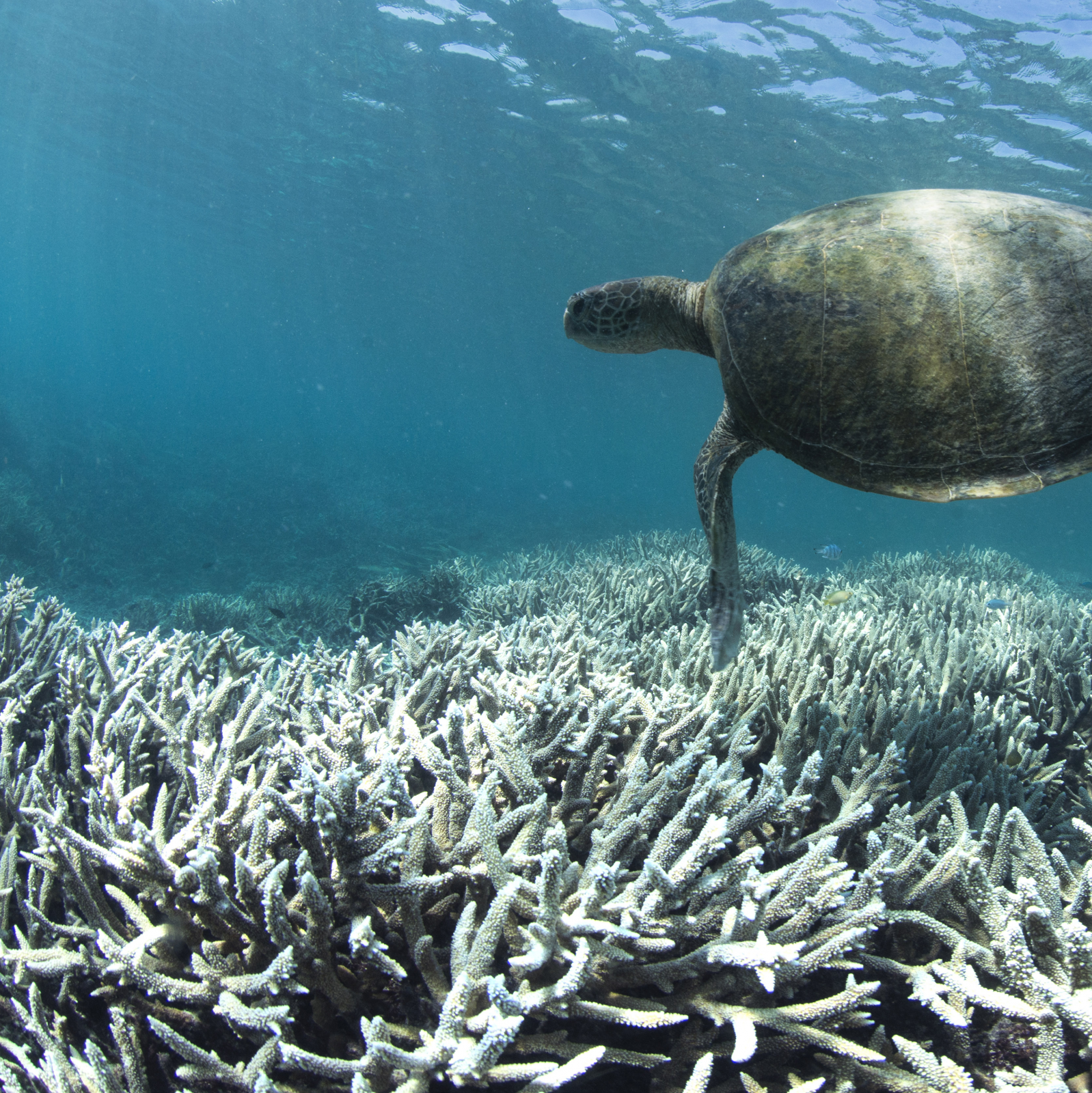
A sea turtle swims over a fully-bleached reef on Heron Island, the Great Barrier Reef.

In January, I wrote about the heat wave that has devastated coral reefs in my home state of Hawaii since last year. Temperatures somewhat subsided in Hawaii over the winter, but summer has hit the Southern Hemisphere hard. What is now being called the 2014-2016 global bleaching event – the third and longest such event ever recorded – is taking a breathtaking toll around the world. Continue reading Confronting environmental tragedy