Categories
Present & Publish Findings

You Don’t Have to Be an Expert to Start Research

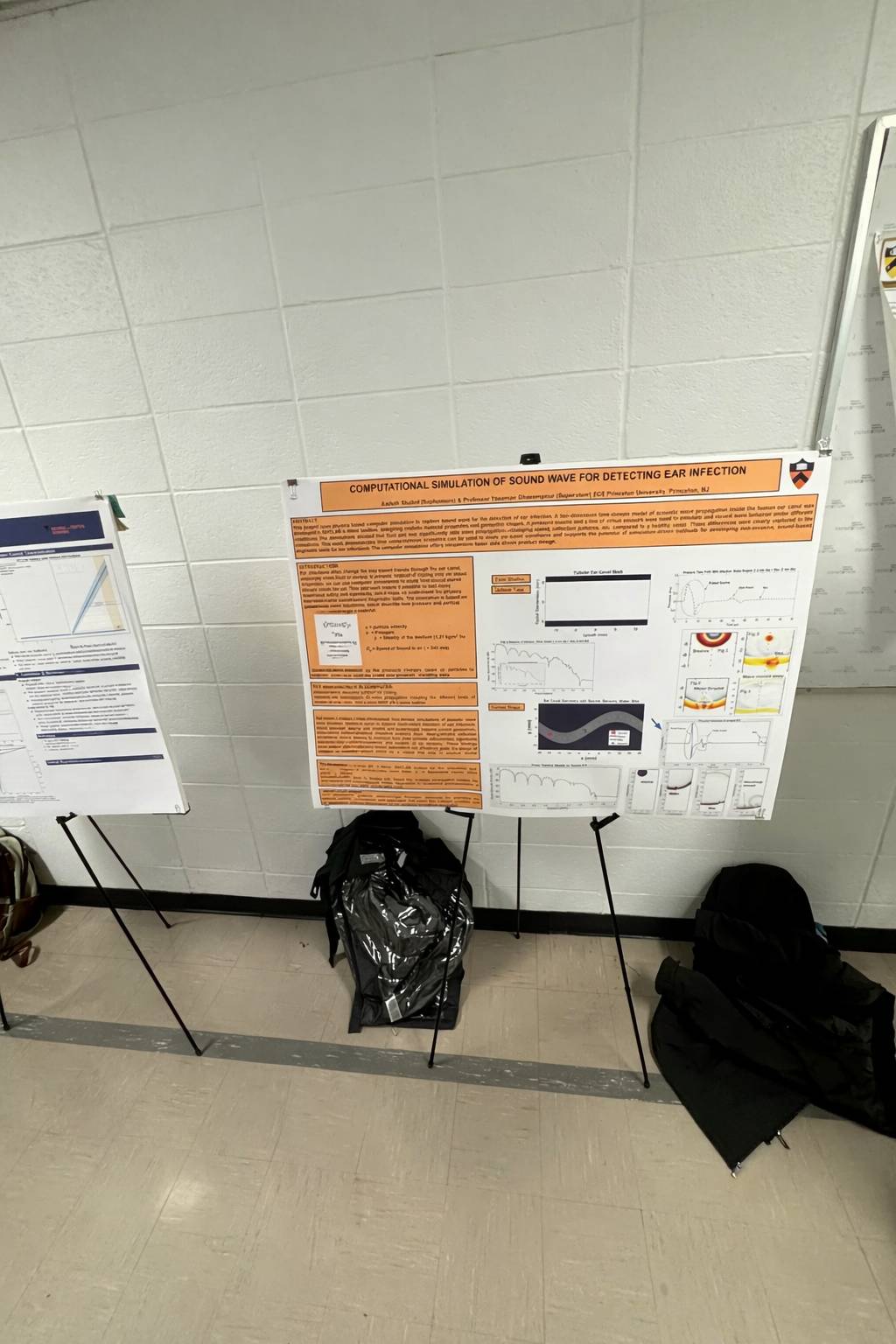
My final research poster at the poster presentation
My final research poster at the poster session.

Last semester, as a sophomore in the Electrical and Computer Engineering Department, I completed my first independent research project as part of the Sophomore Independent Work (ECE 298) with Swan Labs, a lab that works on next-generation wireless systems by combining electromagnetics, signal processing, and system-level design to build fast, intelligent, secure, and adaptable wireless technologies. While I had done research in high school before, this was my first time engaging in research within a truly structured academic setting. The experience felt fundamentally different from anything I had done previously, and it reshaped how I understand what research really means. 
Categories
Conduct Research Present & Publish Findings

Navigating Deadlines

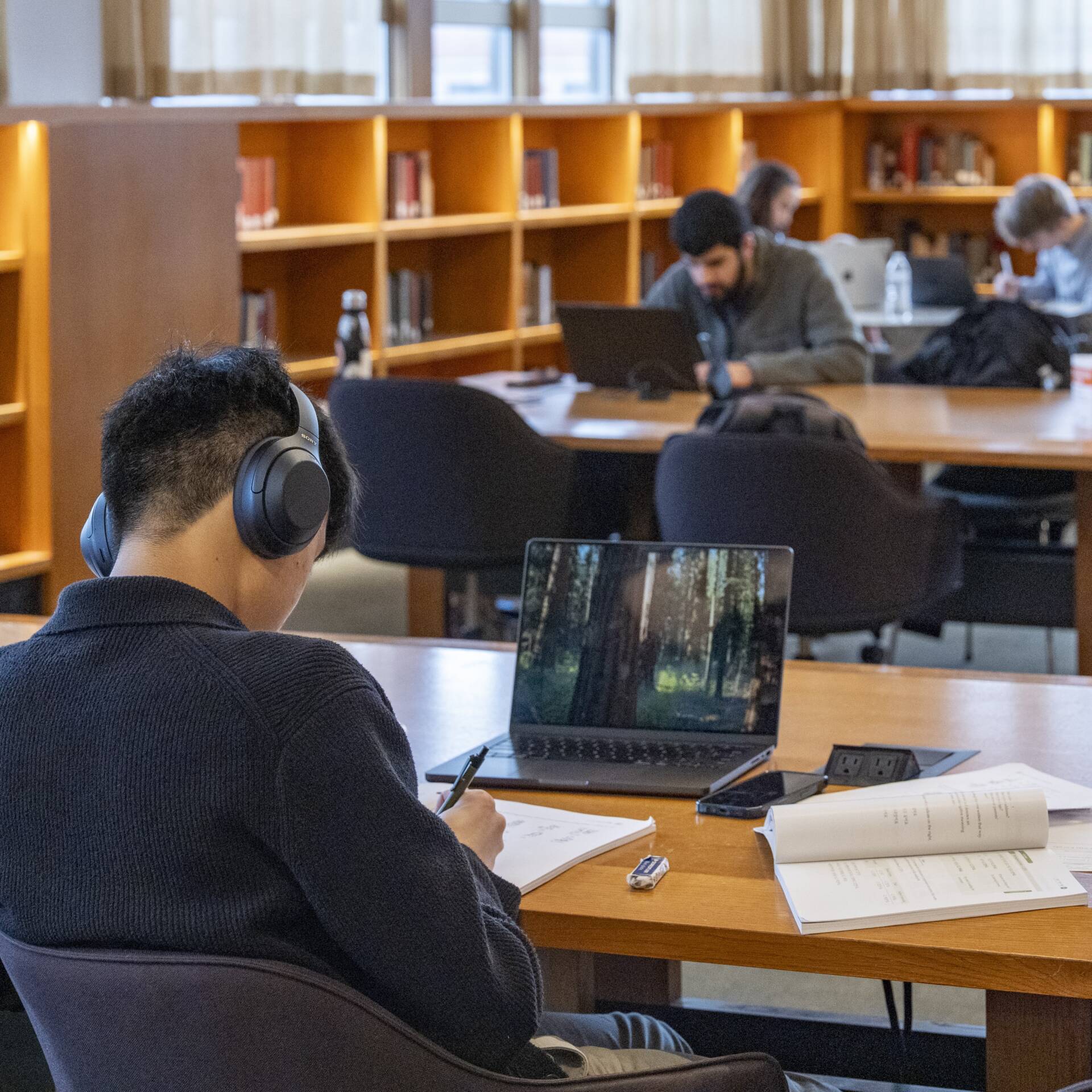
Student wearing headphones works in on the first floor of Firestone Library
A student working in Firestone Library. Photo credit: Denise Applewhite, Princeton Department of Communications

If someone asked me to describe my experiences with research in a word, I’d probably end up at a loss. My research experiences have been exciting, tiring, and fulfilling all at once. Research is endlessly multifaceted, with each experience being unique. Still, a few constants remain, and deadlines are certainly one of them. No matter the methods, no matter the discipline, every project eventually comes to an end. As that moment creeps closer, it often feels more and more inconveniently insurmountable.

Despite this, deadlines are important. They not only help with the goal-setting process, but also force us to abandon the appeal of endless revisions in the pursuit of perfection. Deadlines ensure that, at some point, there will be a final product. Meeting those deadlines, however, is a different story and one that can present real challenges.

Categories
Independent Work Present & Publish Findings Research Life Resources

6 Tips to Prepare for Independent Work Over Break

Firestone Plaza at night
I’ll be checking out books from Firestone Library before heading home for winter break.

As another semester draws to a close and winter break looms, now is the perfect time to make a plan for independent work over break. The flexibility of break can give you the freedom to work on your own schedule, but it can also be challenging to keep making progress without the external structure of the semester. Here are a few things that I’m doing before leaving campus to help set me up for thesis writing over the break:

Categories
Present & Publish Findings Research Life

Making the Most of Conferences

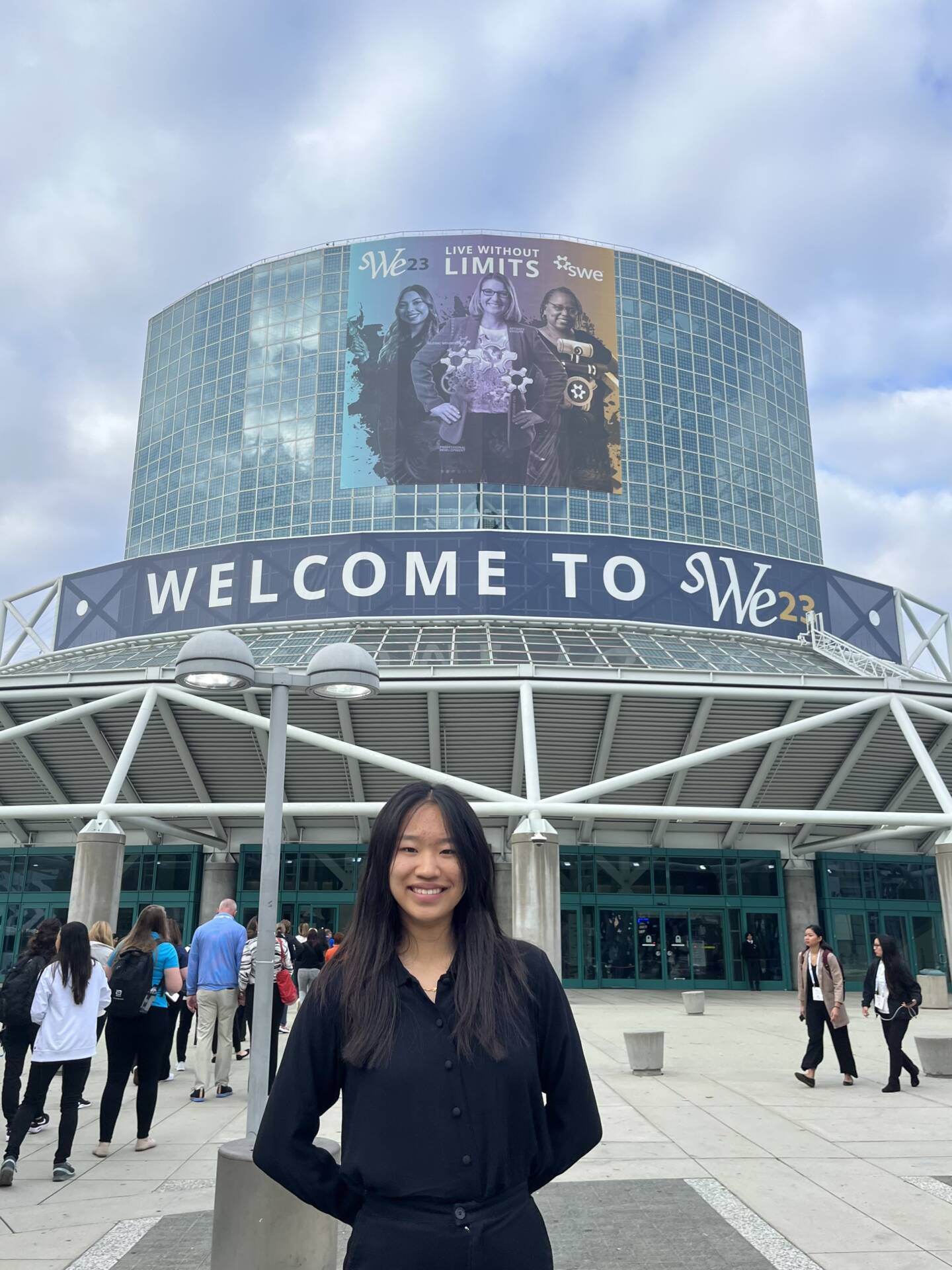
Showing a photo of the conference
“Welcome to SWE23” sign at the Annual Society of Women Engineers National Conference

When I attended my first conference, I was overwhelmed by the number of events—from keynote speakers and lightning talks, to career fairs and research presentations. Over time, through attending several conferences, I learned how to navigate these spaces strategically and make the most of the few days I had at each one. Conferences are an opportunity to connect your academic interests to real-world communities and open doors for future opportunities. From resume databases to poster sessions, conferences can open doors to new research and career opportunities. 

Categories
Independent Work Present & Publish Findings

The Role of Struggle in Research

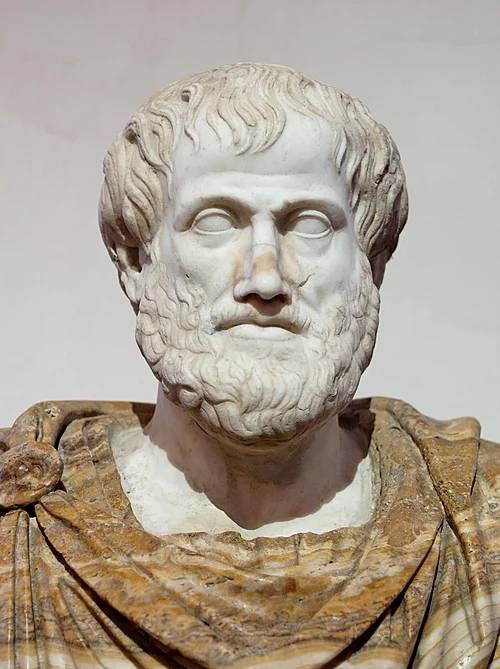
Roman copy of a Greek bronze bust of Aristotle by Lysippos (c. 330 BC).

Aristotle’s Metaphysics begin with an oft-quoted adage:  πάντες ἄνθρωποι τοῦ εἰδέναι ὀρέγονται φύσει (Aristotle, Metaphysics A.1 980a). “All humans, by their nature, strive to understand.”

With some spare time over fall break, I decided to brush up on my Greek philosophy. My upcoming junior independent work will focus on Lucretius’ philosophical poem De Rerum Natura, and he engages with so many ideas from ancient Greek thinkers – Epicurus, Democritus, Plato, and Aristotle, to name a few – I thought it prudent to be familiar with them. Given that the very purpose of their works is to explain their ideas, I didn’t expect to run into serious trouble as I began reading them. Instead, as I started making my way through Aristotle’s Metaphysics and Plato’s Timaeus, I found myself entangled with ideas of identity, causation, and substance. My overwhelming reaction was… “wait, what?” 

Categories
Conduct Research Independent Work Present & Publish Findings

Finding Your Focus: 5 Tips on How to Narrow Down Your Topic

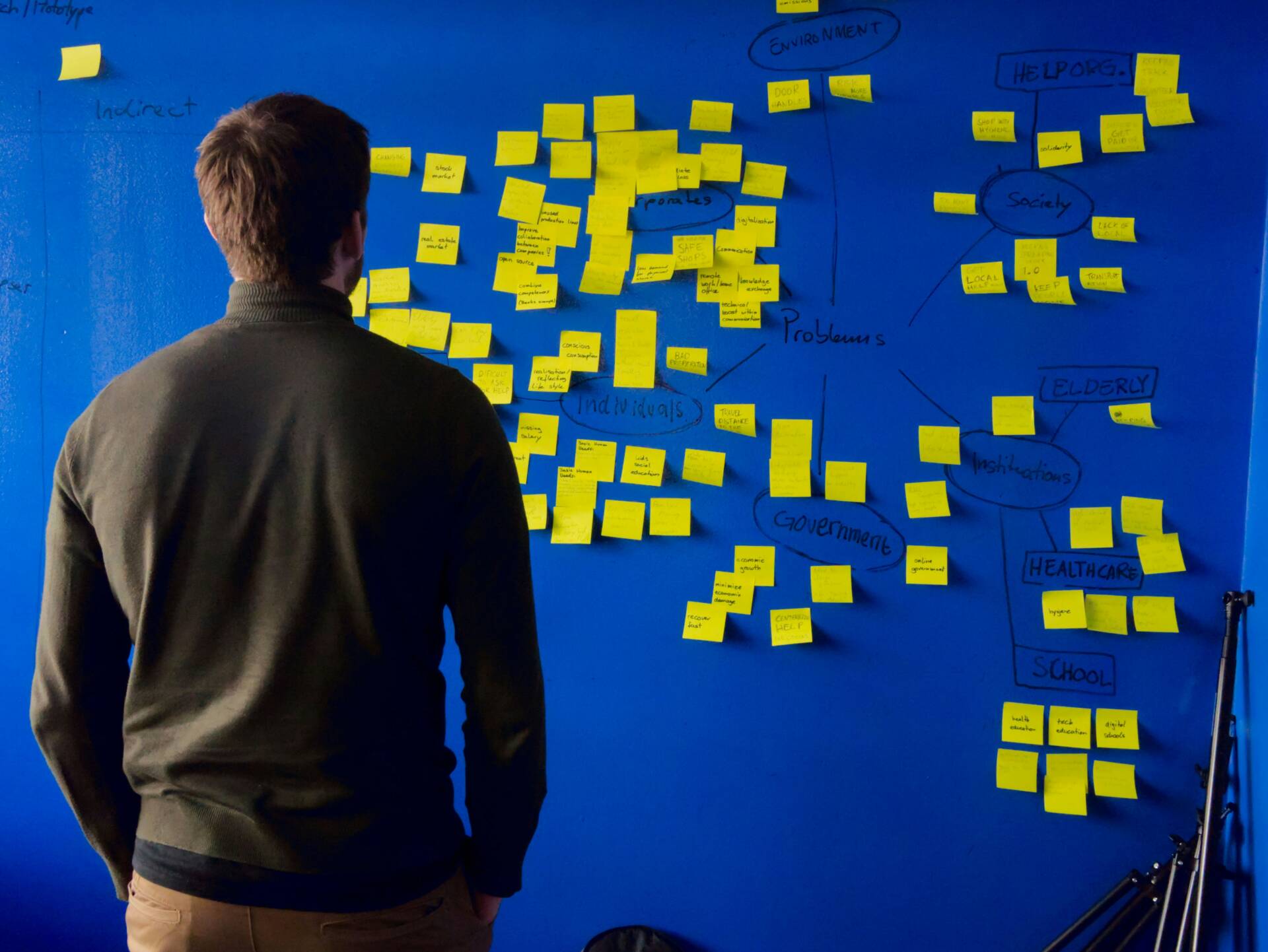
A brainstorming man looks at a wall covered with notes and ideas
Brainstorming Ideas. Photo Credit: Per Lööv

As someone in the social sciences and humanities, I had a broad idea of what I was interested in when going into my independent research. But once it came time to propose a specific topic, I was overwhelmed by how many possibilities there were. I was drawing on a massive archive of documents that dated back to the 1890s, so trying to decide on just one moment or figure to focus on made me feel like I was leaving a lot of important stories out. The best research projects are the ones that you’re genuinely excited about, but what do you do when you’re excited by a lot of different topics? Here are five tips that have helped me narrow down a broad research interest to a specific research topic.

Categories
PCUR News Present & Publish Findings

Princeton Research Day Presenters Invite You to Watch Their 3-Minute Videos

Princeton Research Day 10 Years May 8 2025

Princeton Research Day is a campus-wide celebration of research and art from Princeton undergraduates, graduate students, postdoctoral fellows, and early career staff. PRD is open to the public, and videos are online now! We hope you consider checking out the channel and voting for your favorite. PRD is celebrating its ten-year anniversary, and we are very excited to come together to showcase the new innovations, findings, and creative work of the Princeton community.

All PRD presenters submit a 3-minute video highlighting one story about their research or art. The videos are designed for broad audiences, demonstrating the importance of research accessibility. If you are local to the area, many presenters will also be talking about their work during our poster session on Thursday, May 8 in the Frist Campus Center from 12:00-1:00.

You can find the PRD videos here and information about attending the May 8 in-person event here.

–Caitlin Larracey, Assistant Director of Undergraduate Research

Categories
Independent Work Present & Publish Findings

Thanking Your Mentors: Tips on Writing Your Research Paper Acknowledgements

Photo of Princeton's Blair Arch with green grass in the foreground and a blue sky in the background.
I have yet to print my senior thesis, but once I do, I’ll be taking a photo with it in front of Blair Arch (per tradition!). Photo by author.

When I sat down to write the acknowledgements for my senior thesis, I realized something surprising: my department’s resources on how to write a thesis or independent work paper didn’t include any advice on writing this section. In some ways, that makes sense. Most readers focus on sections like the abstract, methodology, and results, which really serve as and highlight the key contributions of the paper. But having guidance on how to write acknowledgements can go a long way in helping students thank the people who made their research possible. In this article, I’ll share a few tips for writing acknowledgements—whether you’re submitting a STEM paper to a conference or wrapping up your senior thesis.

Categories
Conduct Research Present & Publish Findings

The Art of Cartography: Creating Maps for your Research

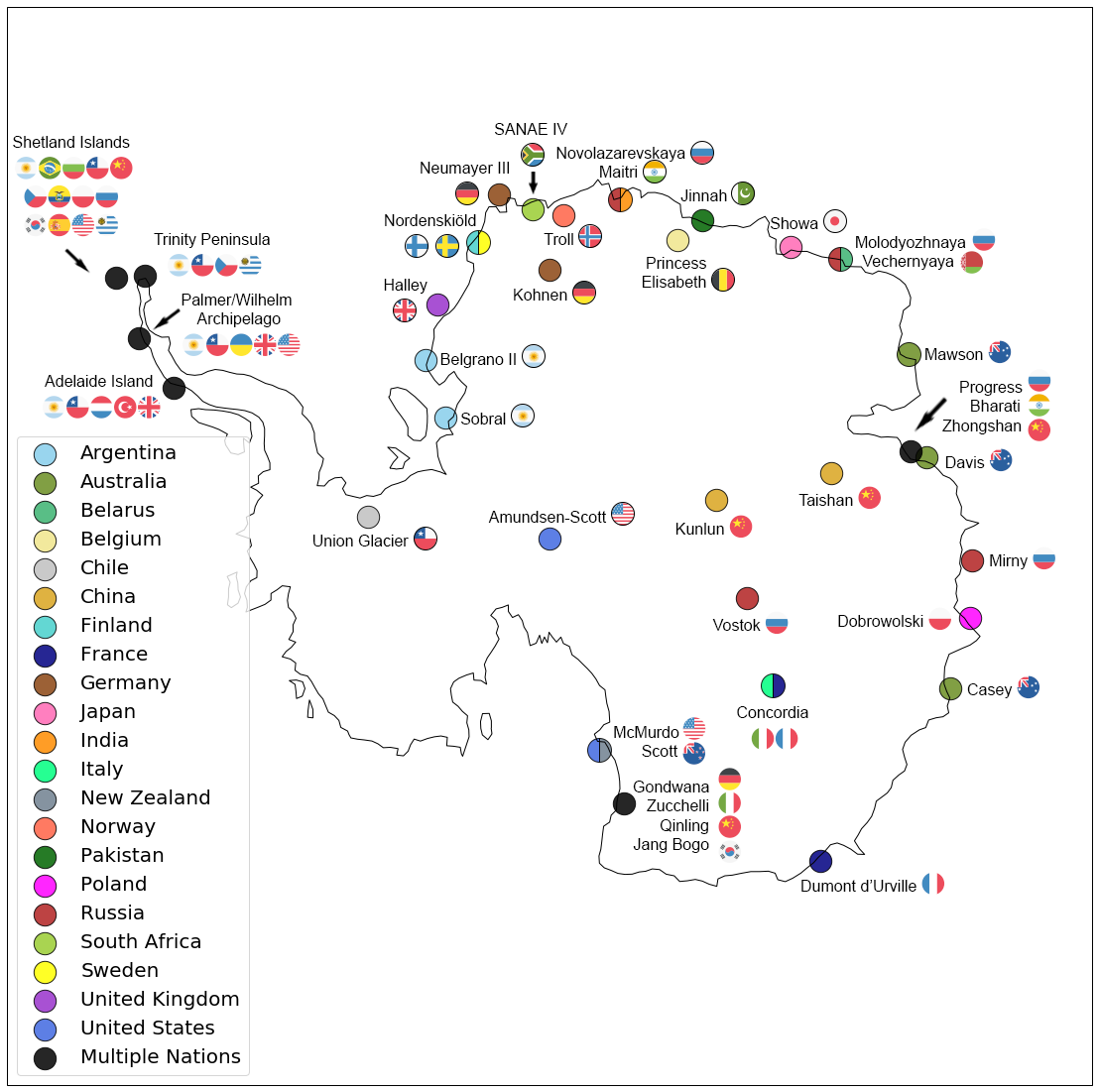
A figure of national research stations in Antarctica, which I recently created for my research using the Python library Cartopy.

Ever since I was a child, I’ve always loved maps—I was a major geography nerd growing up. Jumping forward to today, my like-minded roommates are just as obsessed as I am: the walls of our dorm are literally covered floor to ceiling with maps. These include (but are not limited to) a glaciological map of Antarctica, public transport maps of numerous cities (Toulouse, Christchurch, and New York are just some examples), and a road map of my home state of Washington!

Maps aren’t just a fun hobby: They’re also enormously important in numerous research fields (in addition, of course, to just being plain useful). Whether your research field of interest is history or meteorology or epidemiology, there’s a good chance that you’ll be reading—and making!—some maps. In my own field of glaciology, maps are of paramount importance, whether it’s a map of glacier melt contribution from southeast Alaska or a map of Antarctic ice core sites. I’ve written this guide to provide some helpful resources and tools for making maps for your research, so hopefully it will serve as a good starting point! I should note that this isn’t a tutorial, but plenty of great tutorials should exist on the Internet for all of these tools.

Categories
Present & Publish Findings

Research Insights Series: An Interview with James Raymond Vreeland

Book Cover of The IMF and Economic Development featuring a photo of a protesting group with a magenta color overlaid
Book Cover of The IMF and Economic Development by James Raymond Vreeland (Cambridge University Press)

James Raymond Vreeland, a Ph.D. graduate from New York University, holds the position of Professor of Politics and International Affairs at Princeton School of Public and International Affairs and the Department of Politics. His research focuses on international political economy, particularly in the realm of international institutions, and serves on the editorial board of International Organization. His publications span various scholarly journals, such as American Political Science Review, International Organization, and Journal of Politics, showcasing his extensive contributions to academia. 

As a former student in POL 396: International Organizations, I was introduced to a wide range of research on international organizations, including works by academic scholars and Professor Vreeland himself. While continuing my Research Insights Series from last spring, a series of blog posts to provide glimpses into the current research landscape at Princeton, I knew I wanted to interview Professor Vreeland. As my first politics course at Princeton, it sparked my curiosity about political science research, and more broadly, research in the social sciences.