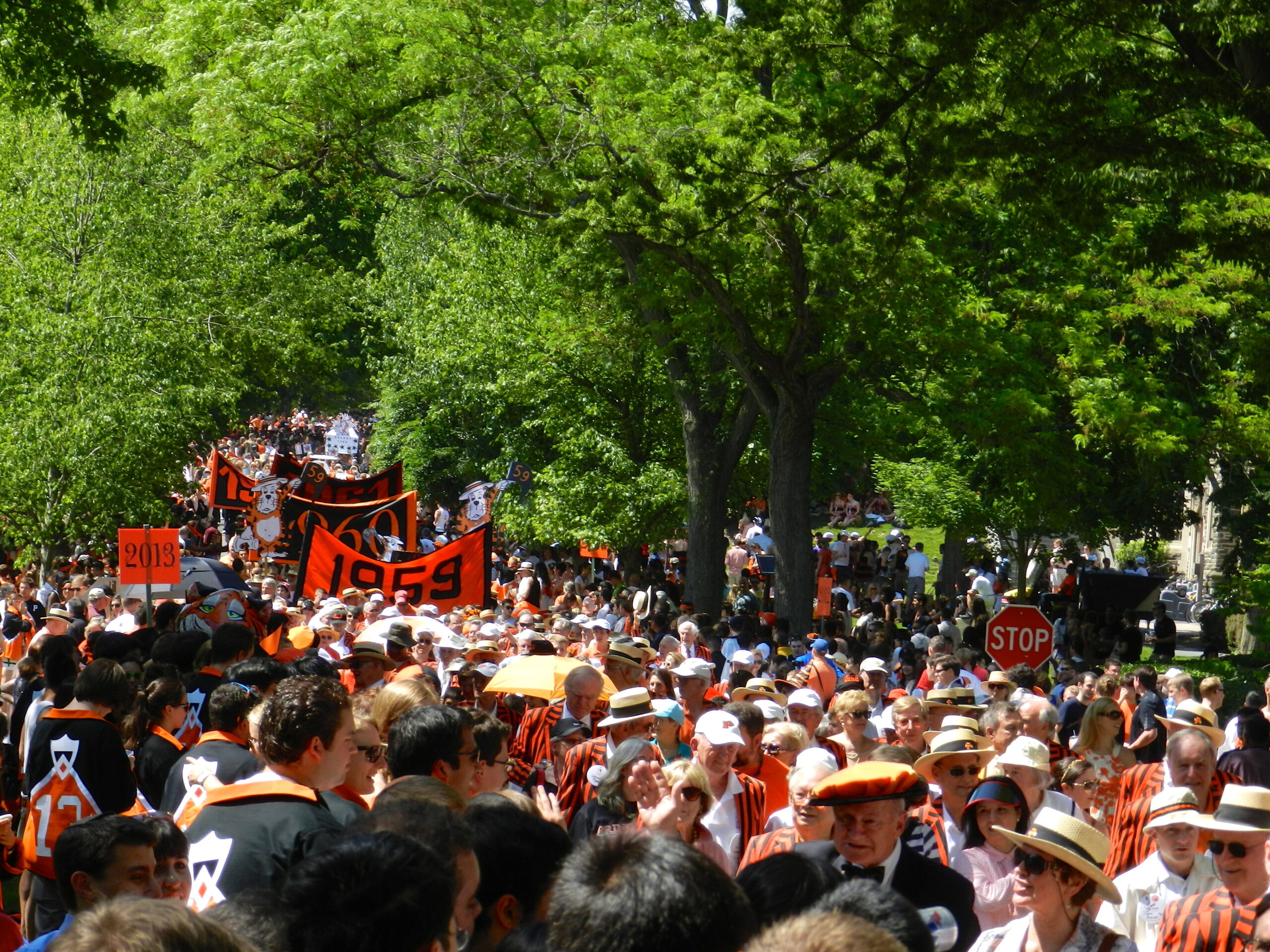
Princeton alumni P-rade, 2013. Photo credit: Daniel Day.
As Princeton students in 2024, we’ve all heard other students throwing around the terms “connections” and “networking.” Although I myself was eager to take advantage of Princeton’s vast resources, I didn’t quite know where to start, or how to start. To those of you who are facing a similar dilemma, let me introduce you to an incredible, vastly underutilized resource: our alumni network.
Students working in Firestone Library, perhaps sending an email to an adviser!
In a world where instant responses to messages are possible, it can be especially frustrating when, after several days, you’re still waiting for a response on a time-sensitive issue. Many of us have experienced this before: asking an adviser a question, checking with a teammate if they’ve completed their tasks, and so on. Yet even with conventional wisdom on how to receive a response (crafting a compelling subject line, personalizing a message, or keeping an email short and sweet), responses can be elusive.
The truth is, the people we work with as students, researchers, or employees often have busy schedules. They may have several responsibilities vying for their attention, and sometimes an email just falls lower on their list of priorities. We want to resolve our questions and continue making progress as quickly as possible, yet help does not always come that quickly. In this article, I share key tips I’ve learned through discussions with my managers, colleagues, and advisers over the course of my time as a student and working in industry.
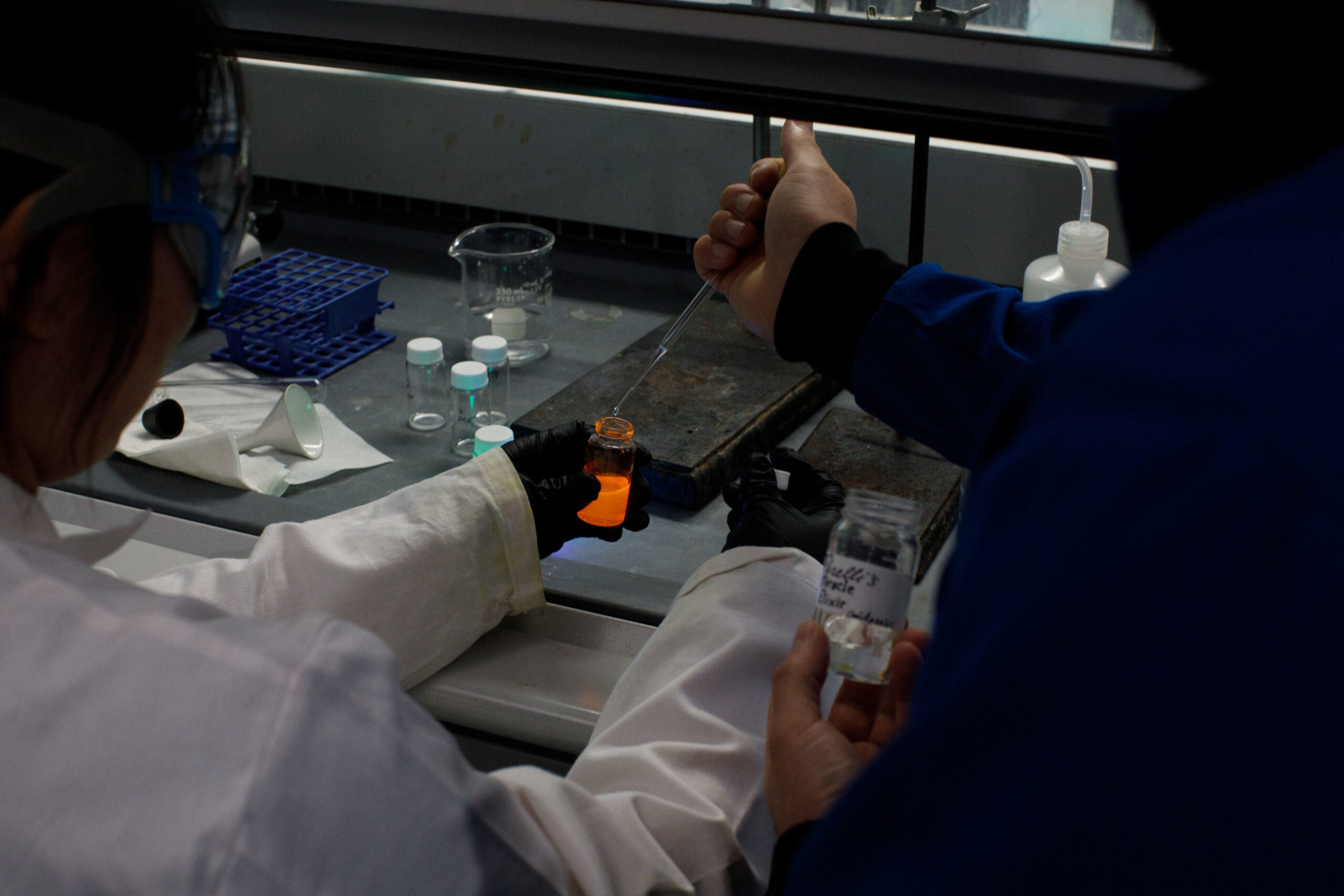
Photo of a chem-bioengineering lab, photo credit to Iris Rubinstein.
When I first walked into the lab this summer, I thought research was all about running experiments and gathering data. What I didn’t expect was how much the people around me—the mentorship and the shared triumphs and failures—would shape so much of my learning and how I view scientific research.
Starting a research position at a bioengineering lab over the summer was really intimidating for me, especially as an undergraduate. At the start, I felt like the most inexperienced person in a room full of graduate students, postdocs, and faculty who seem to have it all figured out. Although I’ve learned or at least seen a lot of the quantitative and qualitative components in my Chemical and Biological Engineering course, I did not have much hands-on experience and critical thinking that comes with actually doing experiments. That’s when I realized how big of a role a mentor plays.
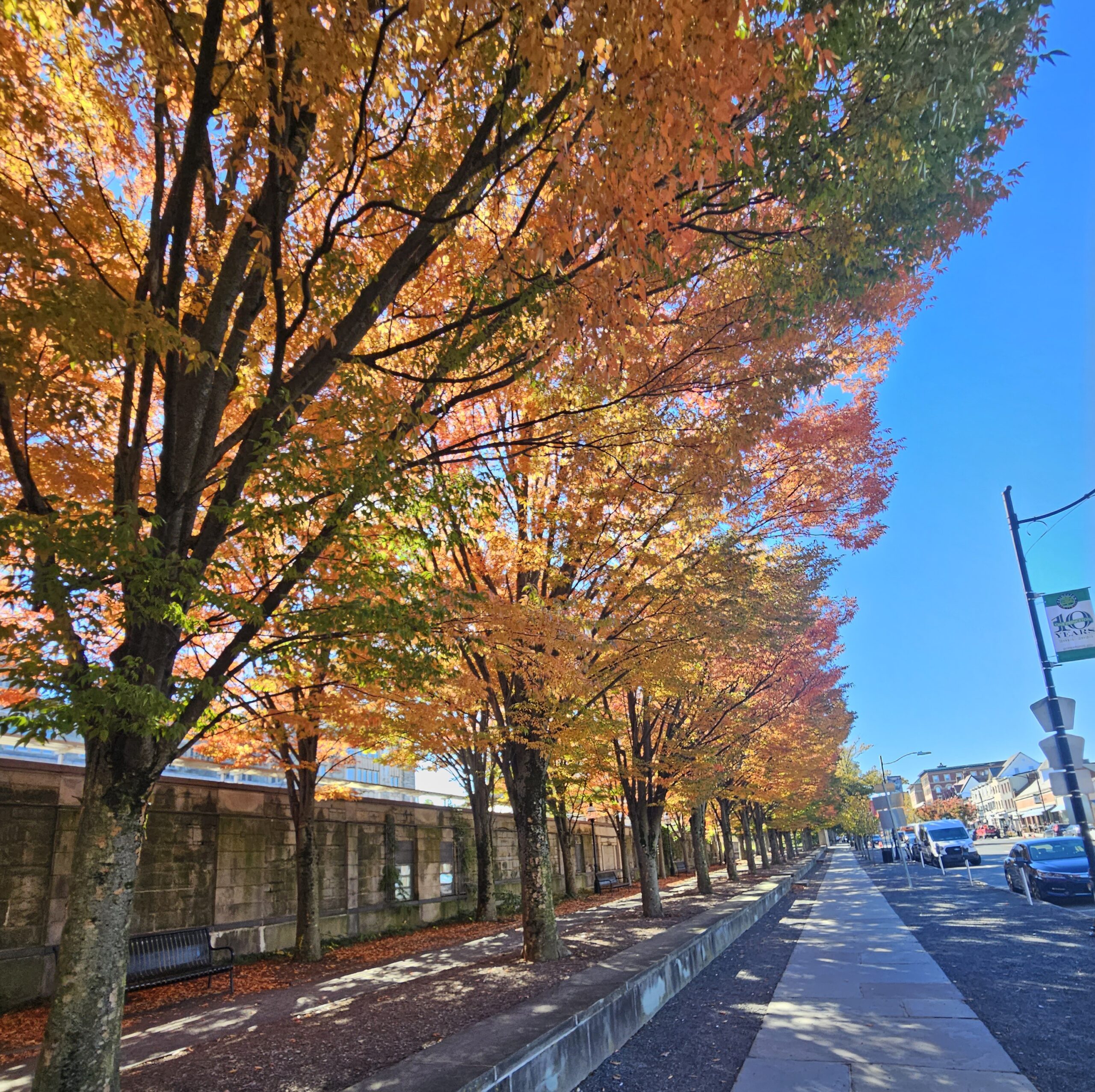
Princeton moves fast. The semester is short, the classes are dense, and before you know it, you’re taking midterms and turning in papers for your writing sem. At least, that was my experience as a first year. Even now as a sophomore, it can feel hard trying to keep up with the pace of the orange bubble. Balancing the demands of coursework alongside the demands of work for research teams and professional clubs can limit how productive I feel at any given moment. Those moments, when I feel I’ve done all the readings I can do and written everything I can think about, are so challenging because it feels like I’ve hit an academic wall. That’s when I find ways to shake things up with a study break. For me, that looks like taking a walk. I know it sounds cliche, but taking a walk can be one of the best solutions because it’s so simple.
Spotlight on the Summer Internship Project of Princeton Politics Junior Mai Kasemsawade
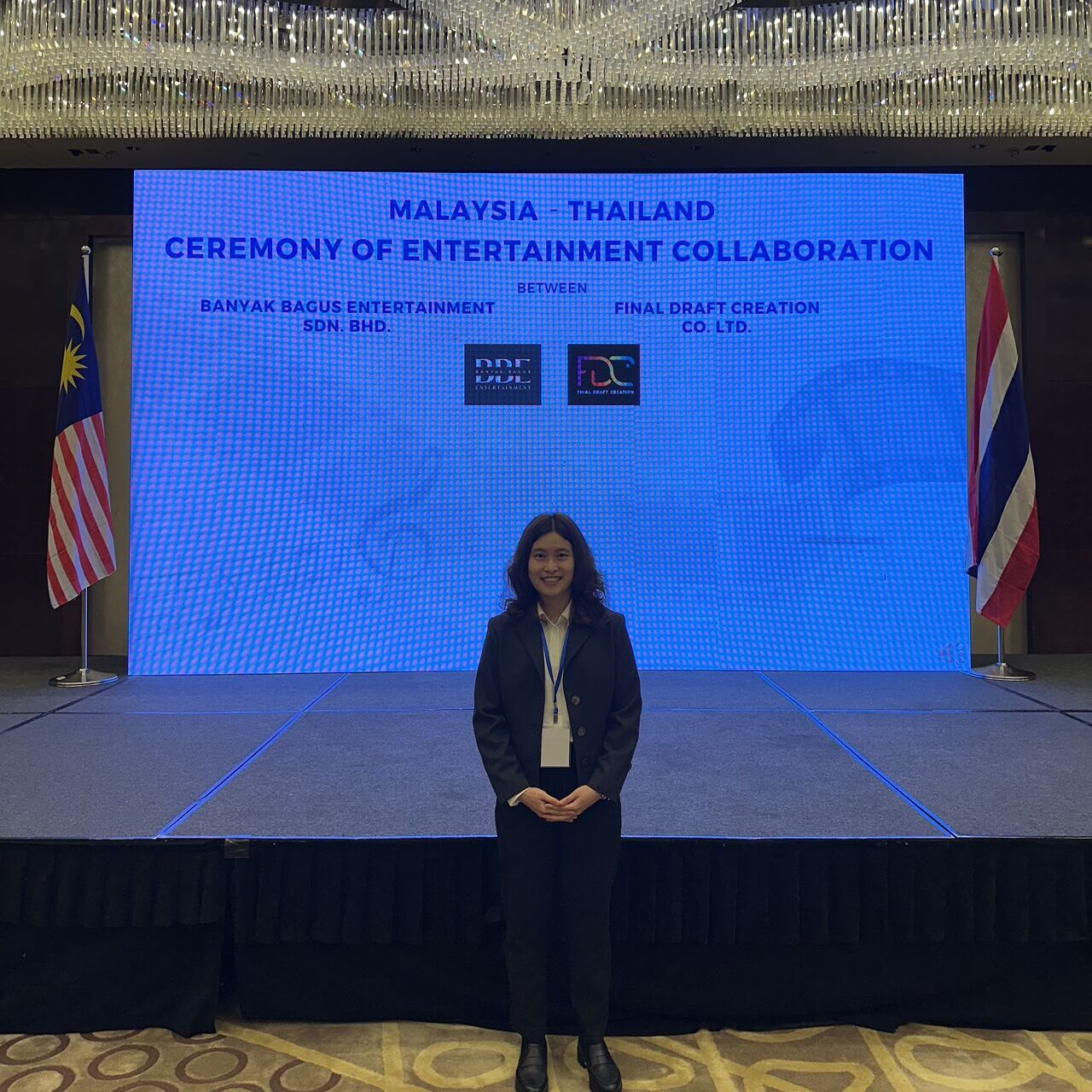
Mai Kasemsawade at the All-Party Parliamentary Group Malaysia for Political Financing meeting at the Malaysian Parliament, which she helped to host with The Institute for Democracy and Economic Affairs.
Many students walk into Princeton intending to change the world, Mai Kasemsawade ’26 is an extraordinary example of how one’s summer research can kickstart global political change. This past summer, Mai worked within the The Institute for Democracy and Economic Affairs in Kuala Lumpur, Malaysia as an intern in the Princeton International Internship Program. She connected her interests in political science research and data science to pursue an ambitious project in advancing Malaysia’s laws on funding for political parties in order to encourage a more democratic political scene. Her experience meeting with Malaysian government leaders, hosting a political engagement workshop, writing articles on critical policy, and conducting interdisciplinary research exemplifies the multitude of eye-opening opportunities that a research experience can offer!
Often when I mention the subject of reading for pleasure’s sake in conversations with other Princeton students, I hear the same story repeated with a twinge of sadness and a sense of resignation to the seemingly-inevitable. Most of us seem to have begun our respective childhoods as avid readers who could barely be seen apart from a book. We enjoyed all sorts of reading, and it was not a tiring task but an exciting opportunity. Over the course of many grueling years of schooling filled with assigned readings and the like, this voracious appetite for literature seems to have been largely snuffed out. If you, like me and many others, have drifted away from the pleasurable pastime of reading for fun and wish that you could regain a bit of that excitement which marked your early years, this article will give a few suggestions for how and why you might go about effecting this turnaround.
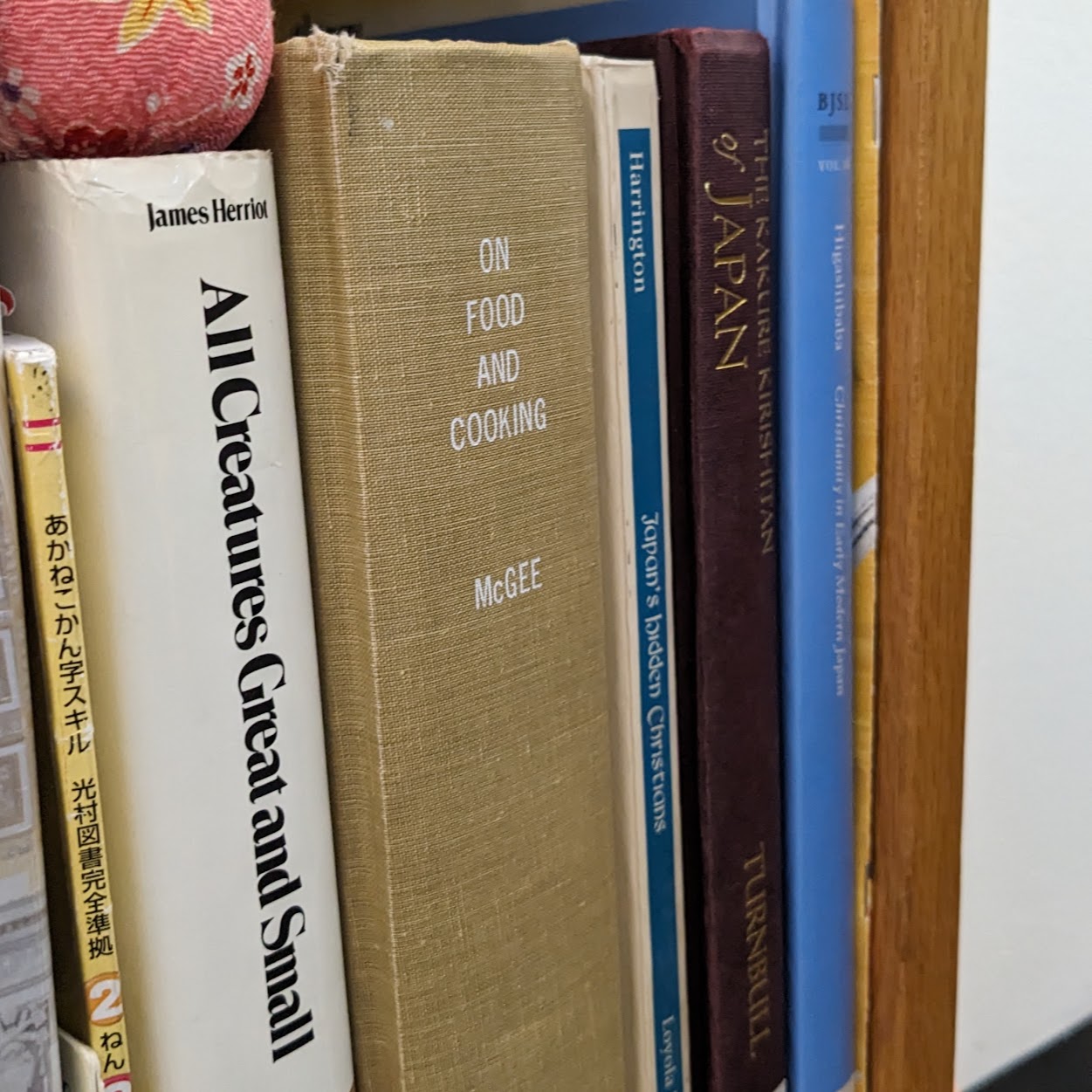
A few books on my shelf in my dorm— not for class.
Whether writing a paper or providing a presentation, you will often find yourself relying on the completed work of others to synthesize information about a subject. An essential part of using these outside sources is to give their owners rightful credit in your references! Read some tips below on making citations easier.
Citations can be the most dreaded section of your writing. Finish your references with ease using this guide!
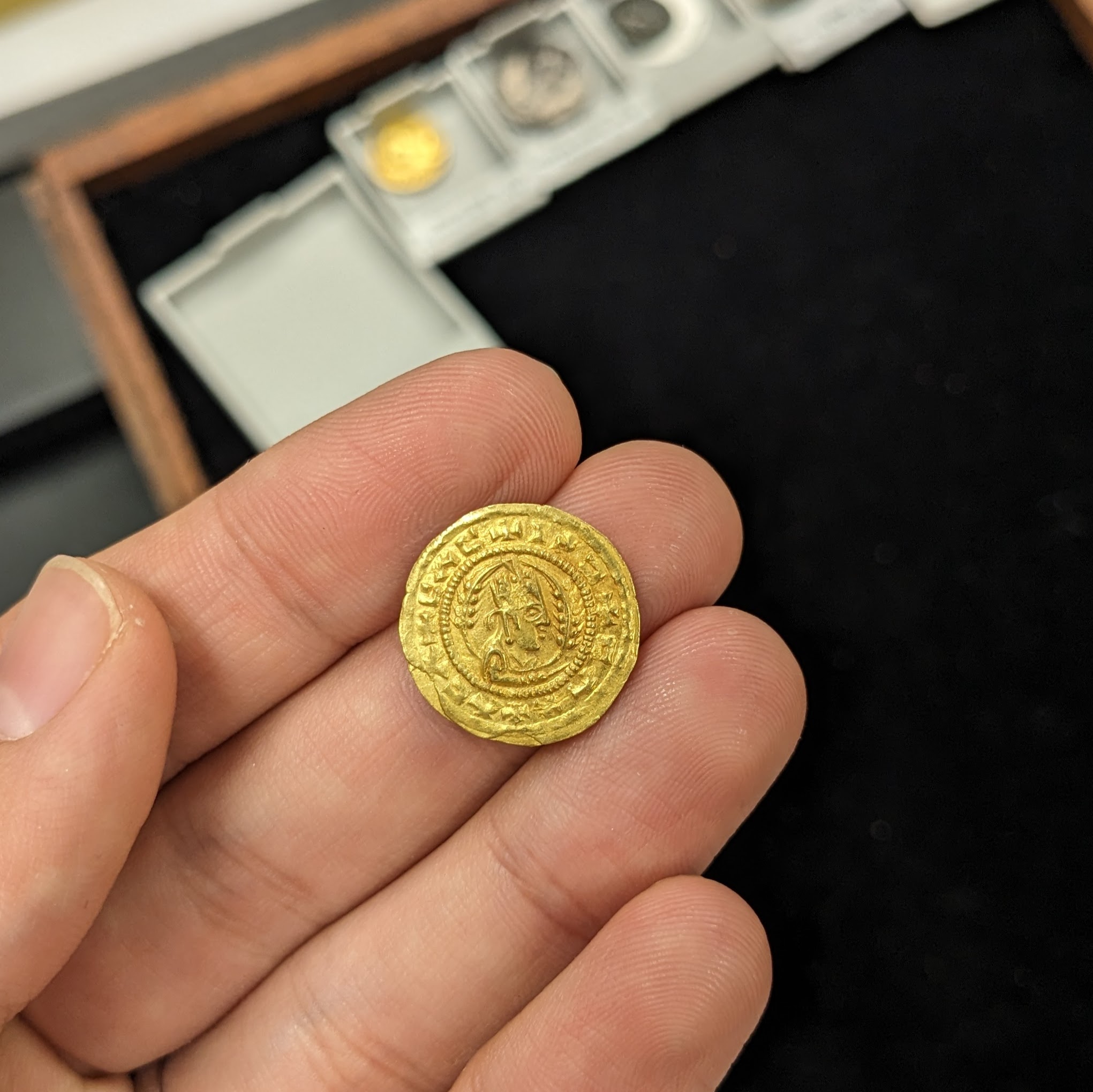
Students at Princeton are fortunate to have access to one of the largest collections of coins anywhere in the United States. Made up of roughly 115,000 items, the collection includes coins, paper money, medals, and other tokens covering almost the entire history of human money— in fact, the university has coins minted in the 6th century BC by Croesus, who is credited with inventing the first system of gold and silver currency. The university’s collection serves many purposes. For example, you may have been in a class which has gone down to Firestone C Floor to look at coins from the time and place you were studying. The coins are also used for exhibitions and workshops. I’m writing here to explain to you how you can use these coins to do great research.
Yours truly holding a 1500 year-old coin in Firestone Library
As I enter my sixth! semester at Princeton, I find myself still asking the age-old question: where should I go and work today? The challenge with finding the right study space is that they’re frequently mood and assignment-specific.
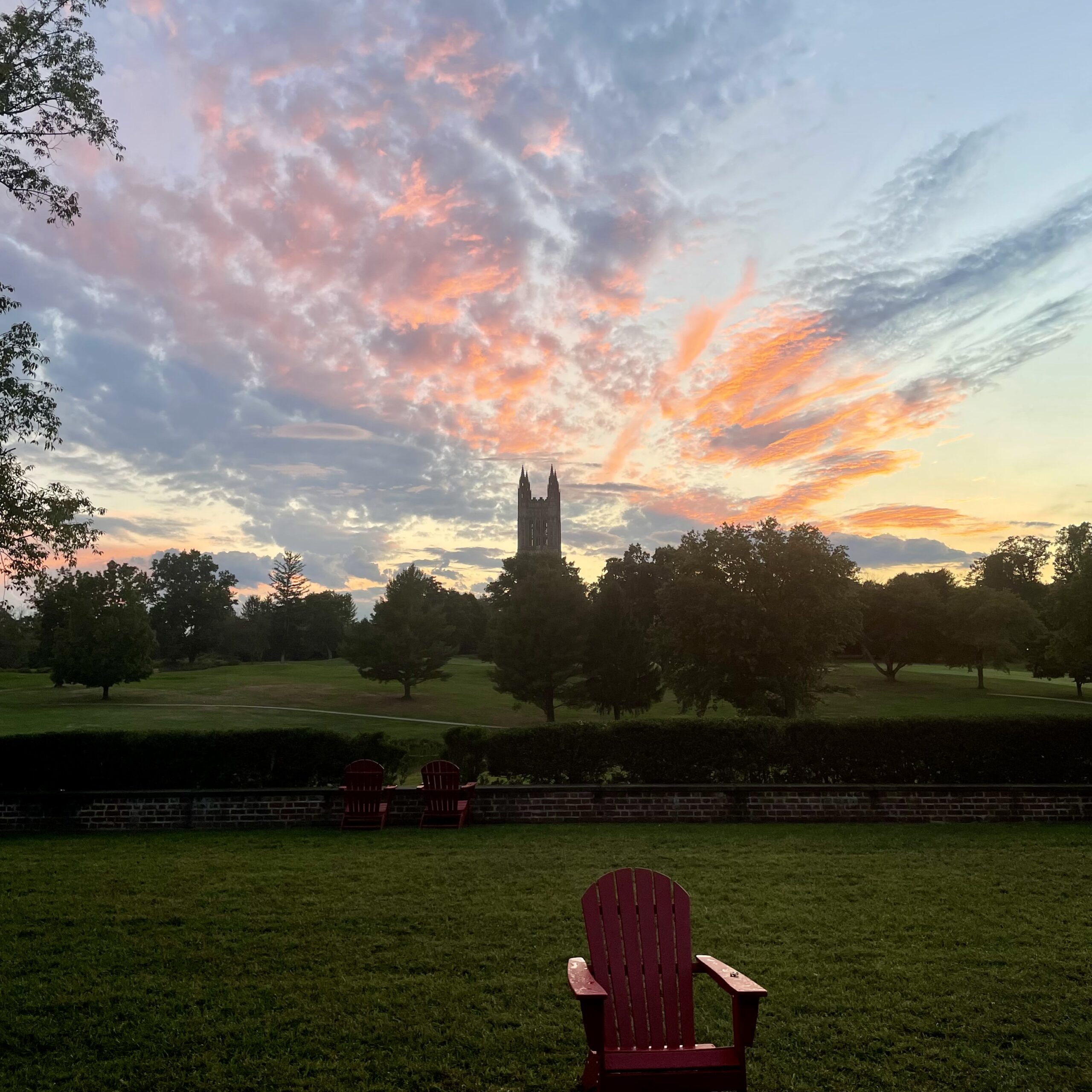
View of the Forbes backyard, taken by author.
PCUR alumna Nanako Shirai’s 2018 post on finding study spaces on campus is an incredible resource to help you identify the best study space based on your study needs. In this post, I’ll highlight some additional study spaces you could explore this spring. Instead of going by the type of assignment you’re working on, I’ll share four new suggestions on study spaces based on the kind of study environment you prefer. This might help you choose study spaces at which you could complete multiple items on your to-do list.
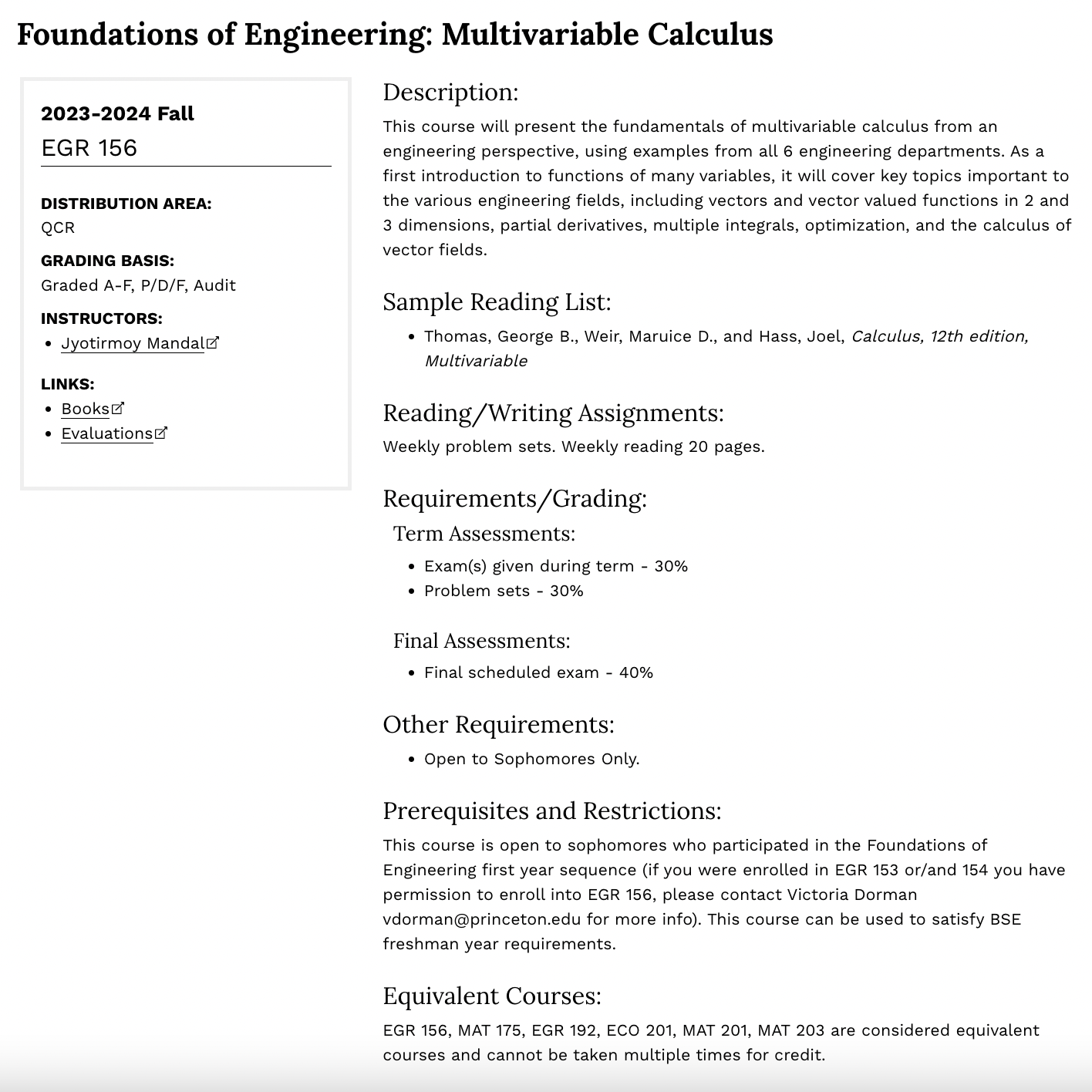
After attending my final class of the semester, the feeling that I was done with my BSE requirements finally settled in. From now on, as a COS BSE major, I would have much more flexibility in my class options with my prerequisites complete. Having written both My BSE Fall Semester Experience in the Engineering Sequence and My BSE Spring Semester Experience in the Engineering Sequence (which I recommend you read first before reading this), I wanted to write a final article to reflect on my experience now that I’ve officially completed the Engineering Sequence. To reiterate one last time, the Engineering Sequence is a set of five courses intended to fulfill the engineering degree requirements through an introduction to engineering fundamentals in the context of real-world applications. BSE degree requirements include four semesters of math, two semesters of physics, one semester of chemistry, and every first-year student is required to take one semester of writing seminar and fulfill various distribution requirements for general degree requirements. This semester, I took the final course in the Engineering Sequence, Multivariable Calculus, which means that along with taking chemistry, I have completed my BSE degree requirements.