After having discovered a potential funding opportunity, you might be reading the requirements for the application and find that you need to write a “research proposal” as a part of the application. This might be your first time writing a funding proposal. Here are a few tips to assist you in writing your funding proposal!
Continue reading A Quick Guide to Writing a Funding ProposalTaking a (Much-Needed!) Break During Winter Break

Being a Princeton student is an incredible blessing—students have opportunities to learn from world-class professors and lecturers, engage deeply in independent research, spend time with wonderful communities on campus, and so much more.
One special opportunity I have always appreciated is the five or six week-long winter break. This year, it is a ton of time for me to make progress on my Senior Thesis, read ahead for my upcoming spring courses, and even teach myself something new. In past winters, I have also spent much of this time applying and preparing for internships. Past PCUR correspondent Ryan Champeau has a wonderful post on making the most of winter break.
My favorite point from Ryan is that you should spend winter break in a way which makes you happiest, whether it’s making a ton of progress on your work or resting. Being intentional about rest during winter break involves planning activities (or a lack thereof!) that help you recharge physically, mentally, and emotionally. In this post, I’ll share some tips you can draw upon to create a restorative break!
Continue reading Taking a (Much-Needed!) Break During Winter BreakGo To A New Library
As someone who has spent more than a little time in libraries both here and back home, I can’t express how important libraries are. Oftentimes, we reduce our campus libraries to simple study spots, places we can go when we really just need to lock in. But, this is reductive. Libraries are connection points, providing the opportunity to connect and reconnect with friends and peers in the most serendipitous of ways. Additionally, our libraries are invitations to discovery. Each building stands as a testament to the physical accumulation of centuries of knowledge. From the official writings of American presidents to enzyme analyses of gene editing technology, Princeton’s libraries are practically bursting with knowledge to be uncovered.
When I talk to friends about studying at Princeton, one thing I always find myself circling back to is the beauty of our campus and community. This goes beyond the aesthetics of the buildings, but relates to the experiences that Princeton students can all share in. Our campus is one of connection and discovery, and I believe that there is no aspect that makes this as clear as our libraries. The Princeton University Library system claims the 9th largest collection of titles of any University in the country, so it’s no surprise that our campus is dotted with libraries. Of these numerous libraries though, many get overlooked. These overlooked libraries all represent unique opportunities that deserve to be noticed.
Continue reading Go To A New LibraryBalancing Research and Academics: The Art of Course Planning

Planning your courses while doing research can feel like a juggling act—one that involves not just your academic requirements but also your research commitments and, of course, your own well-being. At a place like Princeton, where opportunities in labs and research projects abound, learning how to navigate and integrate everything into your schedule can make a huge difference.
Continue reading Balancing Research and Academics: The Art of Course PlanningMatplotlib: A Quick Intro to a Helpful Python Data Visualization Library

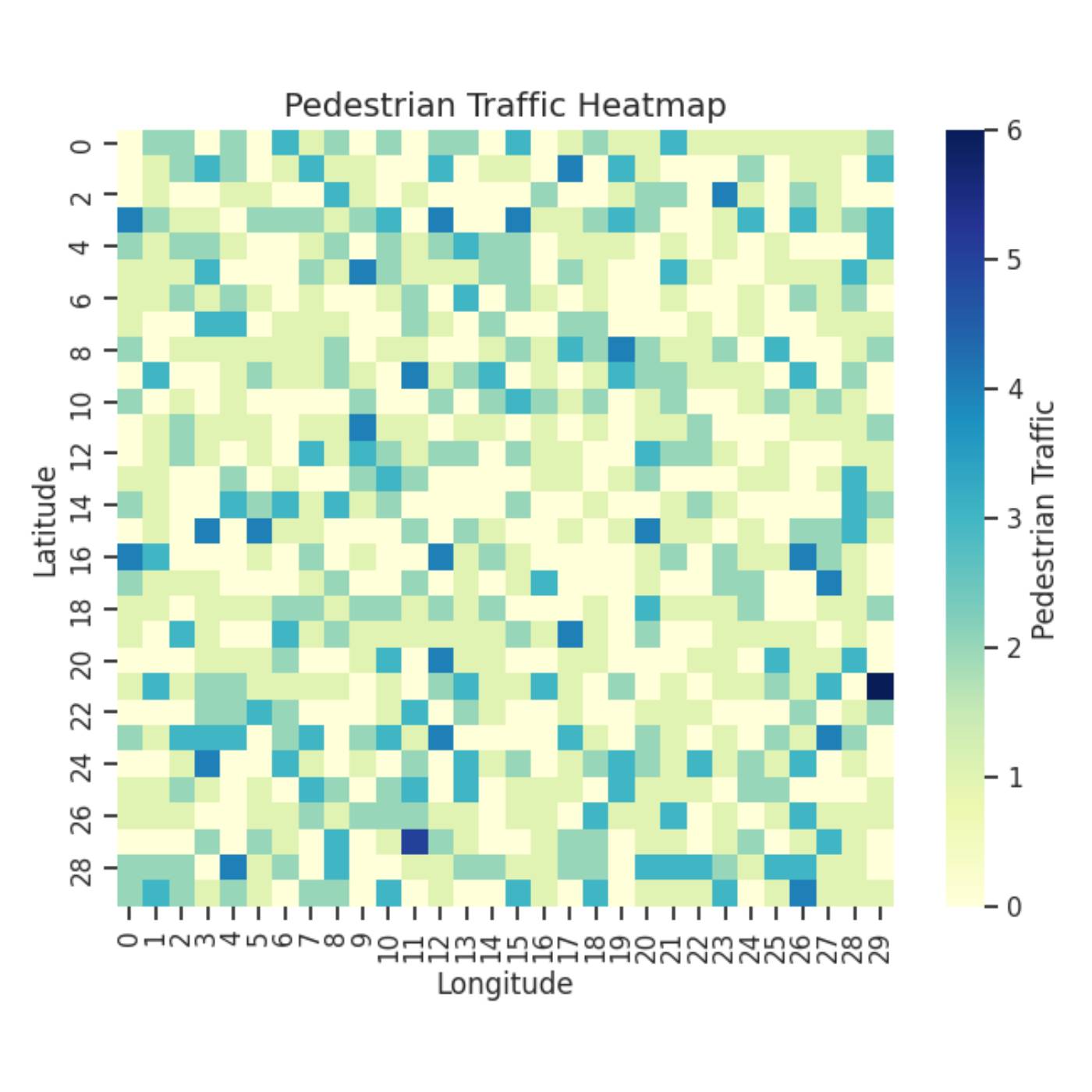
Data is everywhere. Whether it’s to track your music listening habits, analyze stock market trends, or understand scientific research, data is most valuable when it can be easily interpreted. This is where data visualization comes in: to transform raw data into clear, engaging visuals.
The Princeton University Library has a wealth of resources and research guides, including guides tailored specifically to data visualization in programming language R and statistical software Stata (often used in economics courses). However, not as many PUL research guides are currently available on data visualization in Python. If you haven’t heard of Python before, it’s a popular programming language that can tackle a versatile range of applications, including data analysis and artificial intelligence. While Stata and R are both excellent choices for statistical analysis and visualization, Python stands out for its flexibility, interactivity, and seamless integration with web development and machine learning applications.
In this article, I wanted to present a commonly-used Python library for data visualization: Matplotlib. By learning how to use Matplotlib, you’ll be able to take your data and turn it into visuals that communicate your findings effectively—a key skill whether you are analyzing survey results, studying statistics, or working on research projects!
Continue reading Matplotlib: A Quick Intro to a Helpful Python Data Visualization LibraryDreading December: Fall is Just That Time of Year

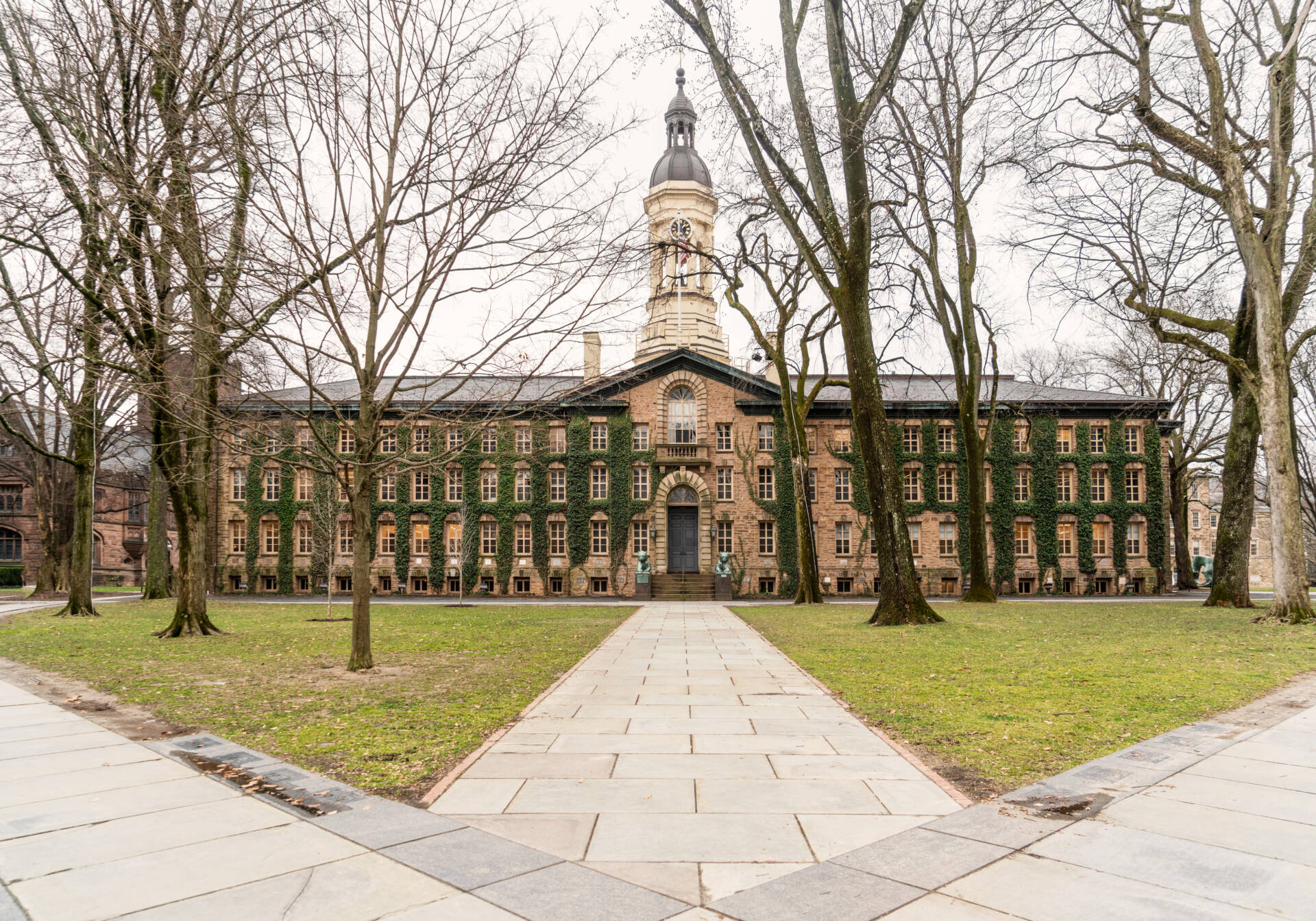
Nassau Hall on Princeton’s campus. Photo Credit: Adriana De Cervantes.
I think that November is a critical month for the fall semester. Many students feel more pressure to do better for the rest of the semester as midterm grades come in. Students in labs start to have their lab work amp up at this point in the semester, especially newbie researchers who just joined a lab in September. That ‘just getting to know the lab’ phase is over; the sun is setting at an outrageous time; the weather is getting colder; and the professors seem to make less sense. Holidays feel like they’re right around the corner, so the end of the semester feels so close yet so far. In short, November and the first half of December is a weird limbo phase that, at its best, is a transition/preparation period and, at its worst, purgatory. With this pressure in mind, it becomes important to recognize how to balance research work and studies and mental health and social life and…and…and the list goes on.
Continue reading Dreading December: Fall is Just That Time of YearNavigating the Slump: When Even Your Passion Projects Get You Down

We all have those moments when we doubt where we’re headed, even when the path we’re on is one we chose with so much excitement. Maybe it’s that feeling of disconnect, where you can’t quite see why you’re doing what you’re doing—even if it’s the thing you used to call your dream. And when it comes to research, that slump can feel even more intense.
Continue reading Navigating the Slump: When Even Your Passion Projects Get You DownBegetting Books, on and off Campus: How, What, Where, and Why

Reading is a fundamental part of one’s time at Princeton. Whether for sciences or the humanities, a great deal of coursework and independent research consists in careful and active reading. Reading for pleasure by oneself or as part of reading groups is also a common pastime, or at least a shared aspiration, of many students on campus. Moreover, Labyrinth Books’ and the University’s decision to cease coursebook sales has sparked a mix of dissatisfaction, outrage, and inventive solutions. With the end of textbook resales paired with personal interest for especially thought-provoking class readings, it is not uncommon for students to keep (at least some of) their coursebooks. It is quite natural, then, that over the course of one’s four years at Princeton, undergraduates tend to amass a good number of books and start to build up their own personal library. Thus, beyond our formidable library system and Labyrinth, it is good to know where and how to get books, even if such scholarly scavenging will not supply all of one’s textbook needs. Besides, building up one’s store of knowledge (and thought-provoking entertainment) is a worthwhile pursuit in itself.
Continue reading Begetting Books, on and off Campus: How, What, Where, and WhySimplify Your Research Poster Printing: Using Princeton’s Makerspace Large Format Printer
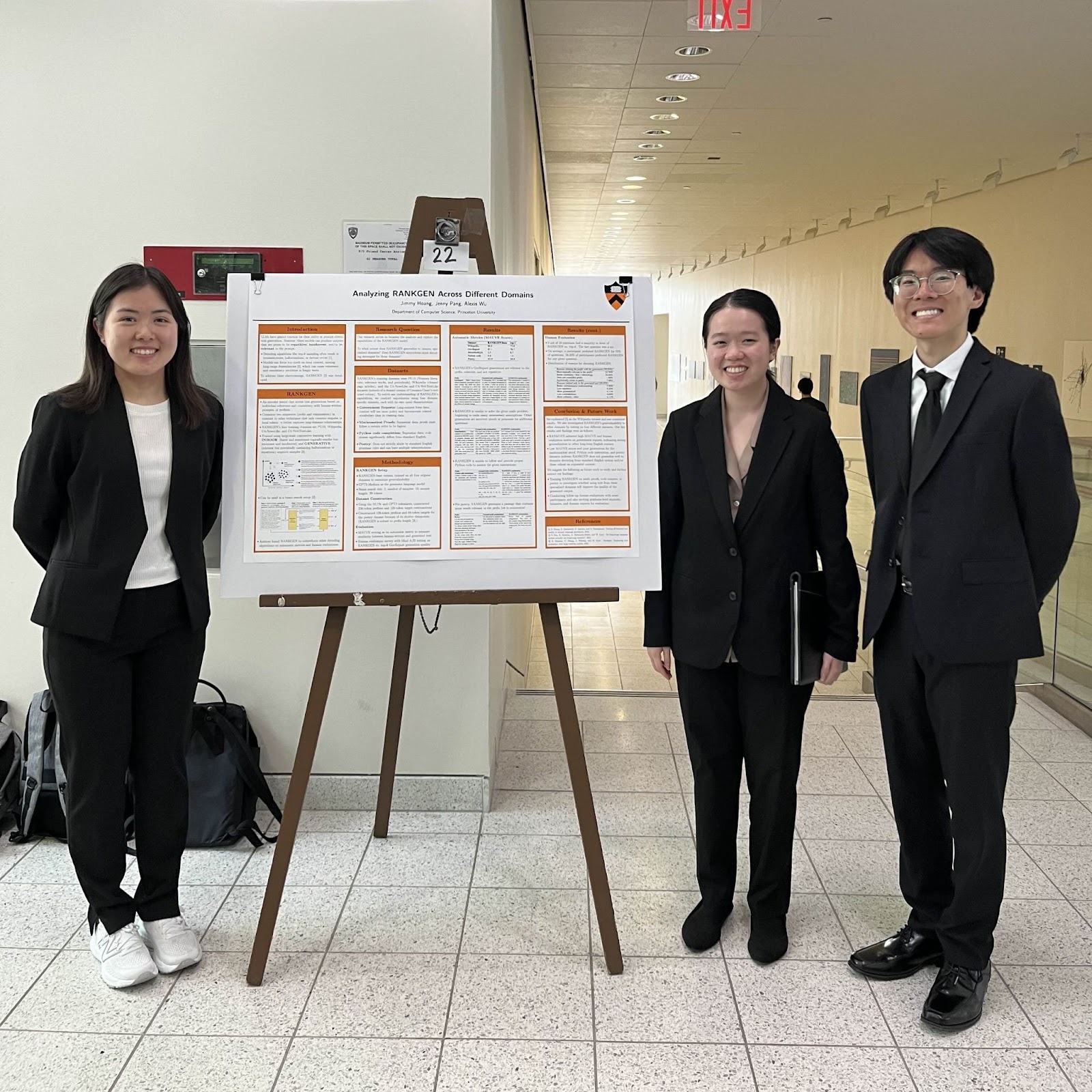
The end of the semester is often accompanied by deadlines for semester-long projects and final papers (including the infamous Dean’s Date deadline, which past correspondent Ryan Champeau has amazing advice on!). For some classes, students may be asked to create an academic or research poster and present their work to their peers in a poster session. A couple of courses I have taken where I produced a final research paper were COS 484: Natural Language Processing and ASA 238: Asian-American Psyches.
In ASA 238, the department provided funding so that all students in the class could have their poster printed through Princeton Print & Mail Services. However, this option typically is not free-of-charge to students. Moreover, since this process typically takes 4-5 business days after the proof is approved to be printed, course instructors may set conservatively early deadlines so that all students’ posters may be printed on time. With more deadlines in other classes, this can create additional stress.
The great news is, this stress can be avoided with a free, straightforward alternative: utilizing the Makerspace’s Large Format Printer. The Princeton University Library (PUL) Makerspace is a creative space on the A-level of the Lewis Science Library open to current students, faculty, and staff. If you’ve never used the space before, it might be daunting, but I hope this article will clarify the process and assuage any fears you may have!
Continue reading Simplify Your Research Poster Printing: Using Princeton’s Makerspace Large Format PrinterA Guide to JP-Writing in the Humanities

Writing a Junior Paper (or two, depending on your major) can be a stressful process. But it does not have to be that way. Below are some strategies to help you minimize JP-induced stress and streamline your research process.
Continue reading A Guide to JP-Writing in the Humanities