Categories
Conduct Research Independent Work

How to Get Involved with Lab-Based Research at Princeton

As a first-year B.S.E student with little to no previous research experience, the idea of writing an eighty-page senior thesis based on my own lab-based research seemed like an extremely daunting task. Now, into the first semester of my junior year, the thought of having to write a thesis next year still seems like a challenge, although a lot less intimidating than two years ago. The main reason for this is because I have participated in multiple research-based summer internships through Princeton, which have helped me feel better prepared to do lab-based junior independent work and a senior thesis in the coming semesters.

You may also be wondering how early you can get involved with lab-based research at Princeton. Although there is certainly no pressure to do research as a first-year or sophomore if you do not want to, Princeton does make sure that opportunities are available for those who do want to be involved early. Here’s a timeline of some of the different lab-based opportunities available, and when you can start getting involved.

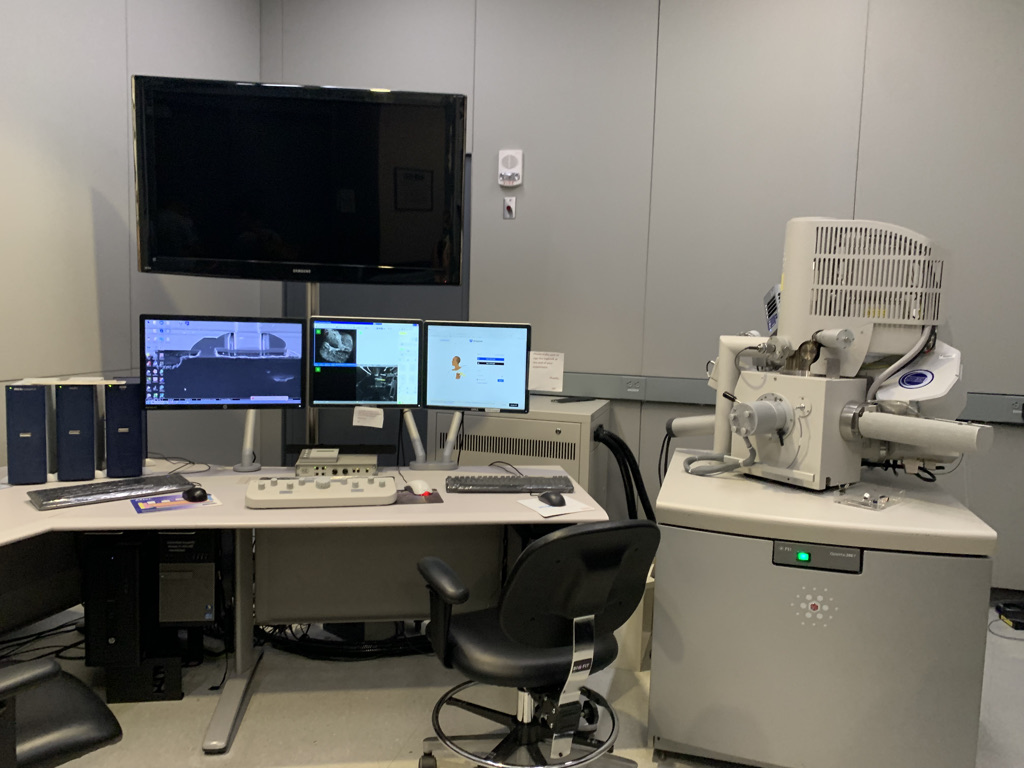
The scanning electron microscope in Princeton’s Imaging and Analysis Center, where I am doing research with a material science lab on campus.
Categories
Get Started with Research Independent Work Present & Publish Findings

Lost in the Library? Turn to a Librarian!

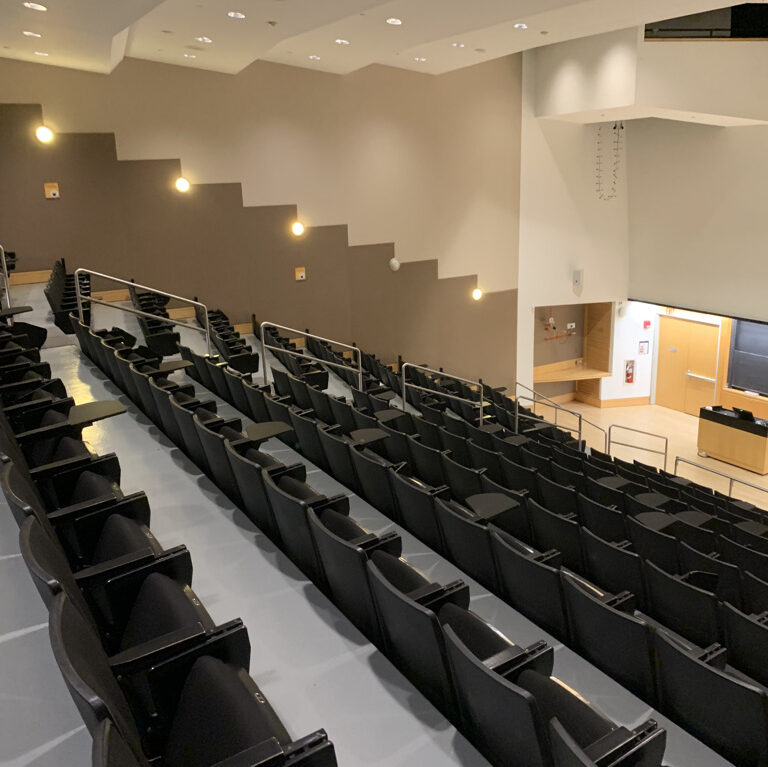
The Trustee Reading Room in Firestone Library, the hub of the entire Princeton University Library system and one of the largest libraries in the world.

Beginning a research project is often a daunting task. Often, when I begin a project, I have the vaguest idea of what to research. Sometimes, I don’t know where to begin looking. Given that Firestone is one of the largest open stack libraries in existence, there are literally millions of books, journals, anthologies, and other pieces of literature to sift through. The process of identifying the literature that will propel a research topic is thus often the most tiring part, but thankfully, there is a solution: the wonderful Princeton librarians!

So, who are these librarians? 

In fact, each undergraduate student at Princeton is assigned their own personal librarian. This librarian is supposed to act as your direct liaison between the library system and yourself. You can go to them to receive guidance on how to navigate the stacks, learn how to take advantage of different workshops and programs, or even just have a chat. My personal librarian, Ellen Ambrosone, almost always sends me an email every semester to remind me of her services. Often, she also includes a picture of her dog! Regardless, these librarians are meant to be friendly faces in a huge space, so do reach out to them with any inquiries about your research or the library system writ large!

The Princeton University Library system also hosts a large array of different subject librarians, each specializing in their own discipline. For example, Steven Knowlton is one of the subject librarians for both History and African American Studies. Thus, a student interested in a topic pertaining to History and/or African American Studies might want to reach out to him in order to identify literature that may be pertinent to your research topic. 

Categories
Conduct Research Independent Work

Visualizing COVID-19 Mutations Using PyMOL, a University Provided Resource

These days, it seems like every day we learn of a new variant of SARS-CoV-2 (the virus that causes COVID-19). However, it’s hard to understand what a variant is and how it changes the virus. In this post, I wanted to introduce PyMOL, a program that students have access to through the University. This program can be used to see what the spike protein and its mutations actually look like.

But first, here’s some background on SARS-CoV-2: COVID-19 is a disease caused by a strain of coronavirus called SARS-CoV-2. This virus gets inside the human cells by using something called a spike protein. This spike protein binds to a receptor on the human cell called the ACE2 receptor, and this allows the virus to infiltrate the cell. The variants of SARS-CoV-2 that we keep hearing about typically have different mutations on the spike protein. In the case of the B.1.1.7 variant, which is a variant that is thought to be 30-50 percent more infectious than other variants in circulation, the mutations are at a location that allow the spike protein to bind better to the ACE2 receptor. If you bind better to the receptor, you’re better at infiltrating the cell. The spike is also the target of the vaccine and our natural immune system.

Now, let’s try and look at where these mutations actually are.

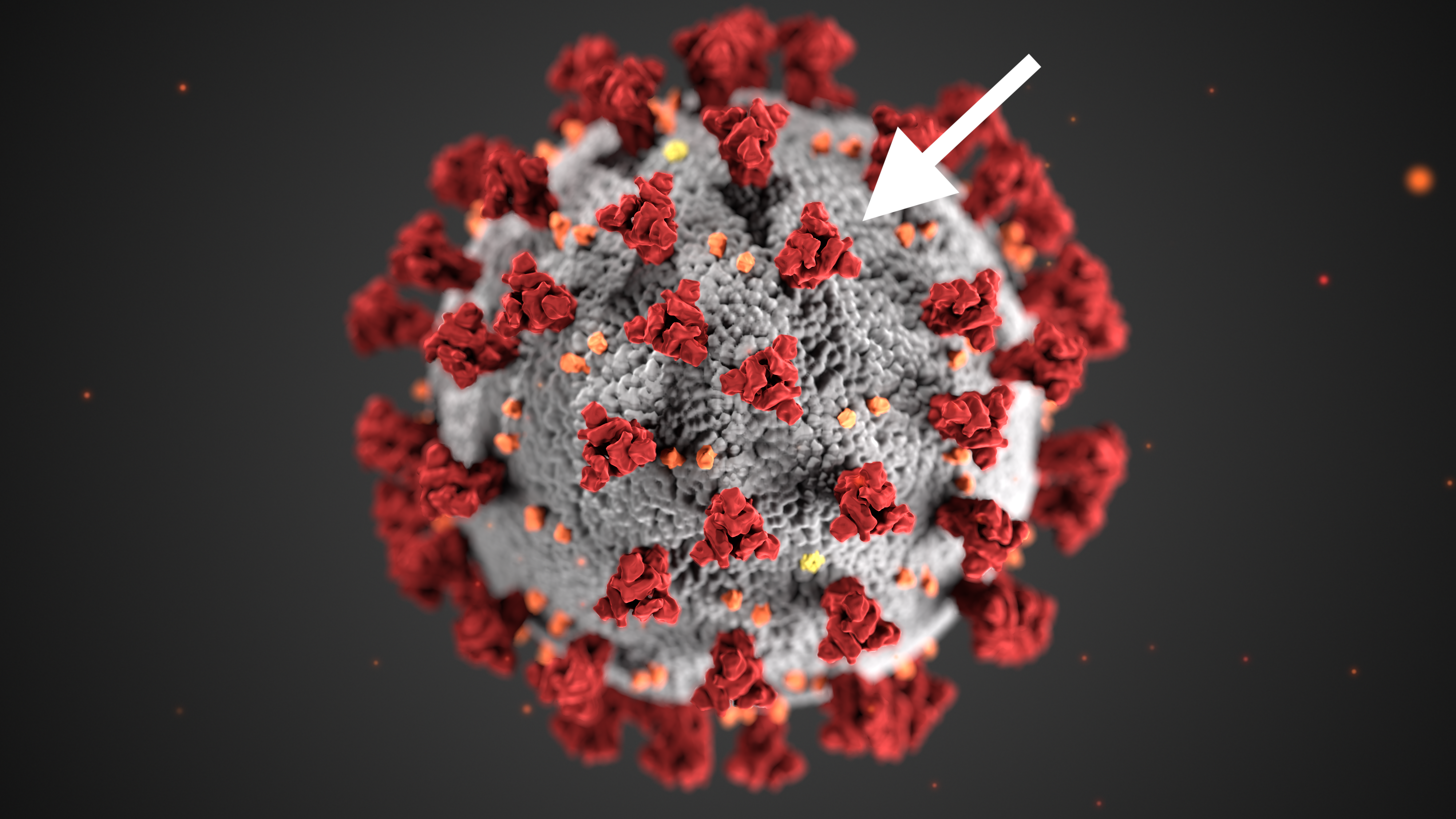
This is an illustration of the SARS-CoV-2 virus published by the CDC. The spikes are in red, labeled with a white arrow.
Categories
Conduct Research Independent Work

Worried About a Lack of In-Person Research Experience? Don’t Be. Here’s Why.

Due to the Covid-19 pandemic, a lot of in-person internships and research positions for students have been transitioned to remote opportunities. Last summer after my first year of college, I opted to take online classes over the summer because in-person opportunities were not a possibility. For this upcoming summer, I was hoping to gain laboratory experience in person, but my internship was also transitioned online. With only one summer left before I apply to graduate school, this left me with a looming question: will I have enough in-person research experience before I apply to graduate school?

Although this question bothered me for a while, I realized that I was approaching this issue from the wrong perspective. I feel as though many students are probably dealing with similar issues now that many summer opportunities have been canceled or moved online due to the pandemic. In this article, I am going to walk through the reasoning behind why you should not worry too much about lacking in-person research experience and also include some additional opportunities you should be on the lookout for. 

In-person research positions may not be available right now, but you can still take advantage of your remote research experiences.
Categories
Conduct Research Independent Work

How to Write a Research Proposal as an Undergrad

As I just passed the deadline for my junior independent work (JIW), I wanted to explore strategies that could be helpful in composing a research proposal. In the chemistry department, JIW usually involves lab work and collecting raw data. However, this year, because of the pandemic, there is limited benchwork involved and most of the emphasis has shifted to designing a research proposal that would segue into one’s senior thesis. So far, I have only had one prior experience composing a research proposal, and it was from a virtual summer research program in my department. For this program, I was able to write a proposal on modifying a certain chemical inhibitor that could be used in reducing cancer cell proliferation. Using that experience as a guide, I will outline the steps I followed when I wrote my proposal. (Most of these steps are oriented towards research in the natural sciences, but there are many aspects common to research in other fields).

Categories
Conduct Research Independent Work

On “Choosing Sides” in an Academic Debate: The More Precise, the Better

An amusing remark on academics, itself attributed to several different academics, goes something like this: In academia, disputes take on such huge proportions precisely because the stakes of them are so small. Whether this observation is or is not true, I have found that its general sentiment is passed down to undergraduates, if inadvertently so. Of course, there are pedagogical reasons for instilling this impression; when we are learning about debates on a given subject within a discipline, it can help to read the most absolute positions on either side, if only to distill the terms of argument.

But the impression that such debate must necessarily be black and white, and must be of great intensity, can be daunting to accept as an undergraduate writer. Who am I, I wonder to myself, to so totally challenge the work of an established academic researcher? Even if I might disagree with their broader argument, have they not done far more research than I have? Relatedly, what if their research offers some quite usable background information– am I not just a little hypocritical to use it while arguing against the position it was intended to support? Or, what if I agree with smaller asides or observations by the researcher, but not the thrust of their whole argument? In a word, need the division be so absolute within the scholarly conversation? 

Categories
Conduct Research Independent Work

How to Make Progress on Your Lab-Thesis Outside of the Lab

When writing a research manuscript or a lab report, I have been conditioned to complete all of my experiments first and then start by writing the results section. My mentors have always encouraged me to start with the section that ‘writes itself’, given that when you obtain your experimental results, you cannot alter them. I started the school year thinking I would use this approach for my thesis – focus strictly on experiments during the fall and the start of spring semester and transition into the written portion of the thesis during late spring semester. However, while I was at home and outside of the lab between Thanksgiving break and early February, I knew I could not spend more than 2 months without thesis progress. Although I did not have my results nearly ready by that point, I began to brainstorm different ways in which I could work on my lab-based thesis without access to the lab. In this post, I will highlight ideas and resources that can help you make progress on your thesis, even while you are outside of the lab. 

Categories
Independent Work Present & Publish Findings

A Guide to Princeton Libraries during a Pandemic

A view of the North Study section of the new Engineering Library underneath Fine Hall.

Last school year, during my first year at Princeton, I rarely ventured out to study in the libraries, instead preferring to stay in the comfort of my dorm room. However, after spending the fall semester at home, I realized just how much I missed the Princeton libraries, and I regretted not taking advantage of this amazing resource more often while on campus.

Going into spring semester, I challenged myself to explore the many incredible study spaces on campus that I had never been to. I was partly inspired by this post on the best study spaces on campus, and I wanted to provide an update on how studying on campus during a pandemic is like. A lot of the logistics around studying in the libraries have changed due to new Covid-19 regulations. So, in this article, I am going to lay out the changes to the Princeton library system and provide an update on some of the best new study spaces on campus.

Categories
Independent Work Present & Publish Findings

The Gem of Cross-Disciplinary Thesis Advice

For better or worse, the university is internally cloistered as an academic institution. Walls literal and metaphorical separate the departments. This is perhaps most apparent to students on an administrative level; each department has its own academic guidelines, grading policies, and research expectations. Deeper differences, though, may present in modes and content of knowledge production. Disciplines often preclude interdisciplinarity. Divergent methodologies might be applied to the same subject matter to produce different results; within a department, the range of expertise might end up applying similar methods to wildly different subjects. 

I, for one, think that these disciplinary divisions often do more to stifle than to encourage intellectual growth or humanistic inquiry (on the problems and politics of the academic disciplines, see my interview with Daniela Gandorfer here). But, as things are, attempting to explain research across disciplines can be quite difficult– like speaking to someone in a different language without a translator. Seniors writing their theses are certainly familiar with this issue when trying to explain their work to people outside their department, or in some cases, anyone other than their adviser. When it comes to feedback on thesis work, then, it makes immediate sense to gravitate towards people with background in whatever you are writing about. They indeed might be able to give very pointed advice.

That said, there is still great value to turning towards those beyond the official borders of your discipline. A lack of familiarity with the subject matter can indeed be an asset– especially in terms of providing feedback on your writing and your writing/research process.

Categories
Conduct Research Independent Work

A Quick Crash Course in Statistics: Part 2

Most people’s New Years Resolutions, I imagine, are not about improving their knowledge of statistics. But I would argue that a little bit of knowledge about statistics is both useful and interesting. As it turns out, our brains are constantly doing statistics – in reality, our conscious selves are the only ones out of the loop! Learning and using statistics can help with interpreting data, making formal conclusions about data, and understanding the limitations and qualifications of those conclusions.

In my last post, I explained a project in my PSY/NEU 338 course that lent itself well to statistical analysis. I walked through the process of collecting the data, using a Google Spreadsheet for computing statistics, and making sense of what a ‘p-value’ is. In this post, however, I walk through how I went about visualizing these results. Interpretation of data is often not complete before getting a chance to see it. Plus, images are much more conducive than a wall of text when it comes to sharing results with other people.