Categories
Present & Publish Findings Research Life

Conversations over Lunch: The Research You’ve Started Without Even Realizing

There’s nothing very special about the statement that lunch is fun – who doesn’t enjoy it? What I’ve found more surprising is that even with all the thought provoking classes I’ve taken at Princeton, lunch is consistently one of the most interesting parts of my day. Whether relaying key points from a particularly great morning lecture, talking about our new favorite YouTube video, or filling each other in about weekend plans, my friends and I use lunch as a chance to share our latest finds. What I recently began to consider is that this universal desire to start a conversation around our latest discoveries sits at the core of the research process.

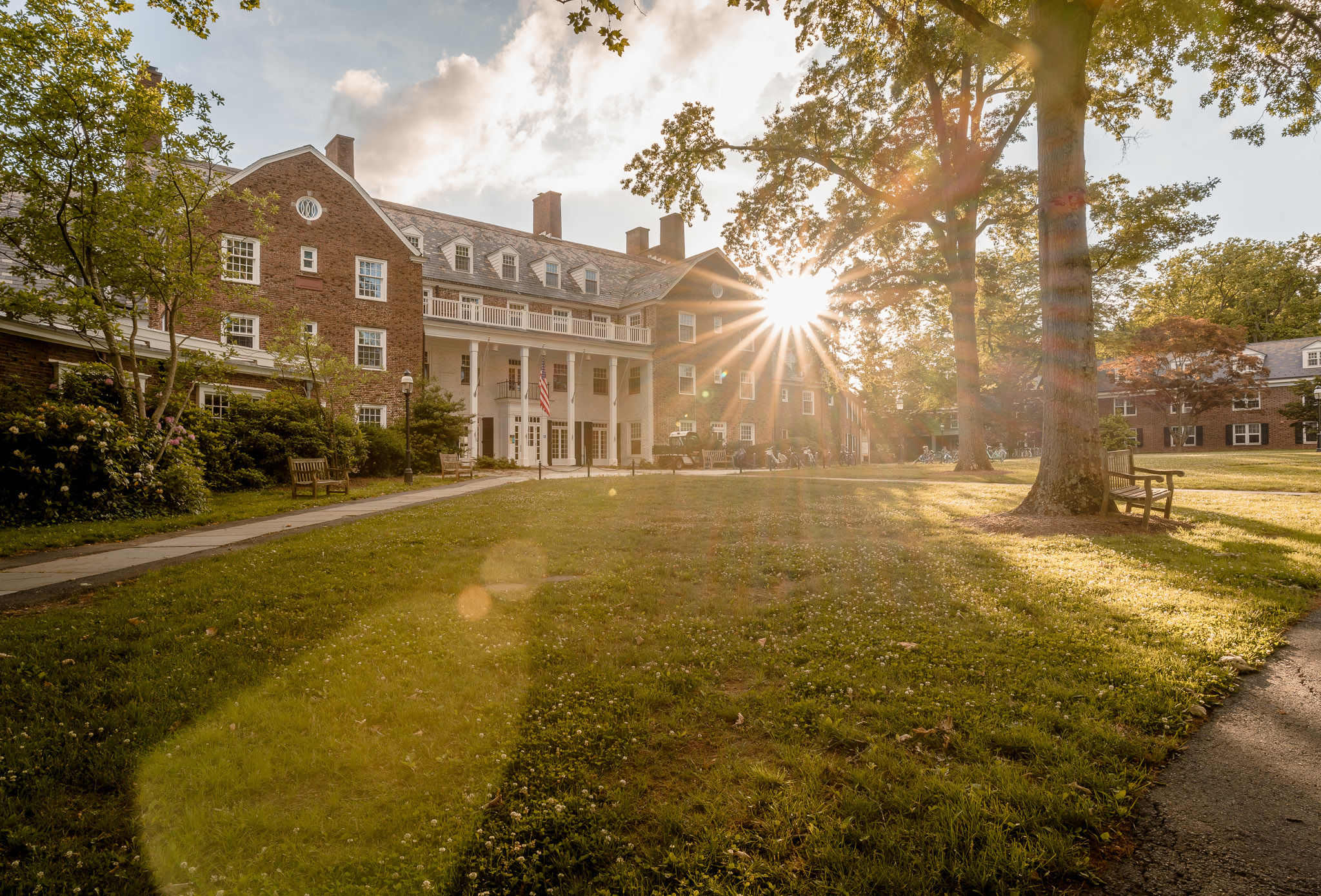
Image with a sun flare in the front of Forbes College.
On this particular day, Hiba and I had lunch at Forbes.
Categories
Conduct Research Independent Work Present & Publish Findings

From Law to Coding: Writing my SPIA Quantitative Junior Paper

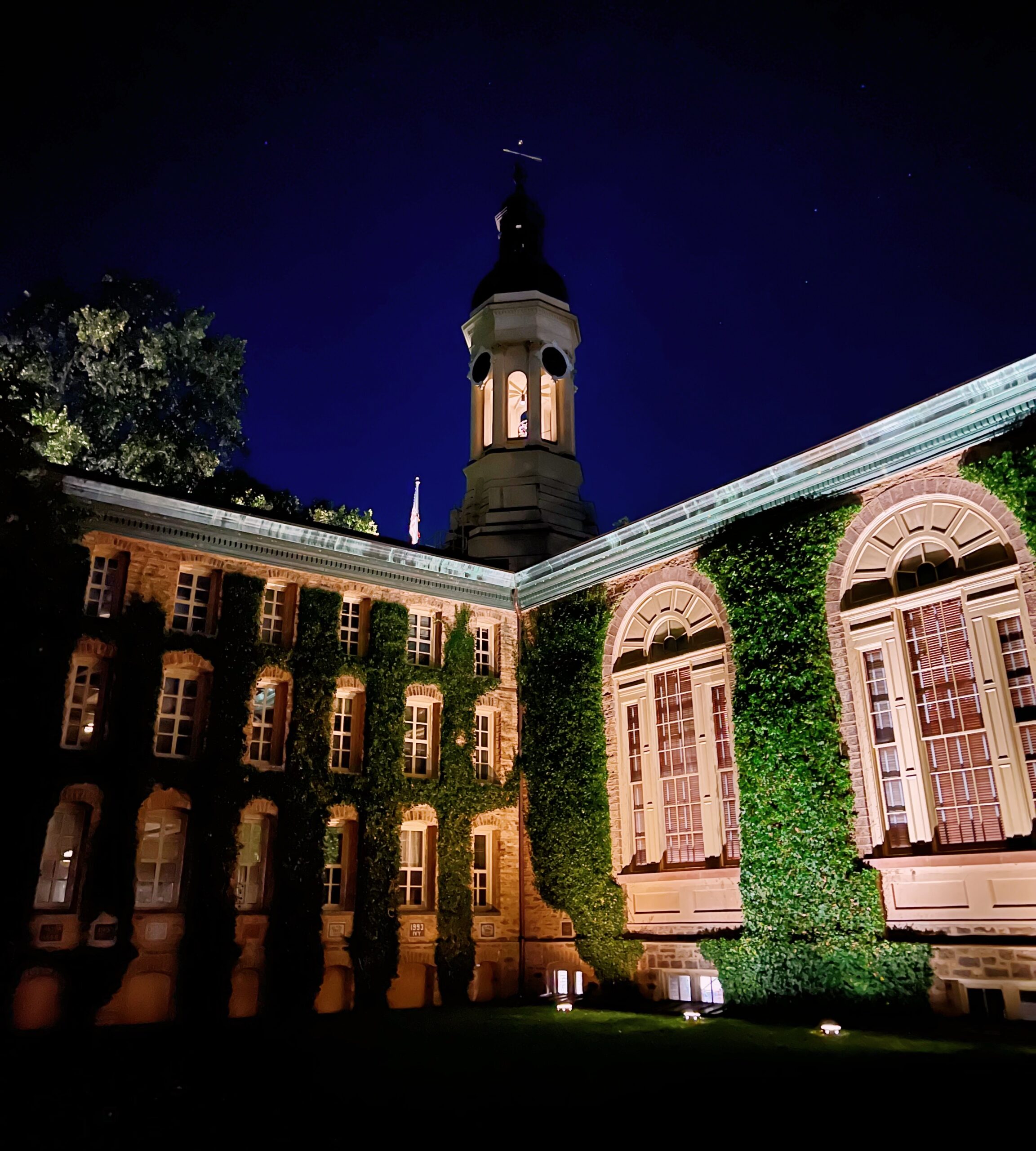
Photo depicts grand Princeton building at night time, with ivy climbing up brick that appears reddish in the lighting.
From courses at SPIA to starry nights at Nassau Hall, there are many opportunities to reflect on what type of research is meaningful to you

There are many reasons why I chose to major in the Princeton School of Public and International Affairs (SPIA), ranging from the impact that we have through service and the focus on policy and law. One unique feature of SPIA is the ability for concentrators to take more qualitative courses such as SPI333: Law, Institutions, and Public Policy and quantitatively-based courses, such as POL346: Applied Quantitative Analysis. During the Fall of my junior year, I wrote a more qualitative junior paper on risk assessment tools in the pretrial adjudication system and analyzed whether or not they make more biased decisions than do humans (see here to read more about my experience). Headed into my junior spring, I was presented with the choice of writing another qualitative paper or joining a quantitative research lab. Thankfully, I felt confident in my coding abilities due to past courses I had taken which prepared me for this moment (see here to read about how I gained a quantitative background in R as a SPIA major). I chose the lab without hesitation and my spring semester independent research journey began.

Categories
Conduct Research

Failure: Science’s Beauty and the Beast

In my junior year of high school, through my conversations with more and more teachers and scholars, I thought I had come to understand the importance of one inevitable piece of the scientific process (or really any academic discipline):

Failure.  

Categories
Conduct Research Independent Work Present & Publish Findings

Experiences in the ReMatch+ Program: An Interview with Kasey Shashaty ’23 – Part 1

Kasey Shashaty is a junior majoring in Electrical and Computer Engineering. She began working at the PULSe (Princeton University Laser Sensing) Lab in the summer of 2021 and has been working with them since. In this interview, Kasey and I discuss how she got involved in this lab through the ReMatch+ program, her experiences working in the lab both virtually and in-person, and where she is taking her experiences in the future. 

Kasey Shashaty ’23
Categories
Conduct Research Independent Work

Lessons from Junior Independent Work in MAE

In the fall of 2021, I worked in the Computational Turbulent Reacting Flow Laboratory under the guidance of Professor Michael Mueller. In the Mechanical and Aerospace Engineering (MAE) department, junior independent research is optional. I enrolled in MAE339: Junior Independent Work in the fall and am currently continuing my research this spring semester. Research was an integral part of my high school experience, and I was excited to start working on independent research in my junior year of college in a different setting. Now, I want to share a few of the lessons I learned from this past semester with you:

Logo of the Computational Turbulent Reacting Flow Laboratory.
Categories
Independent Work Present & Publish Findings

Lessons from My First Major Research Essay

As I dive into my second junior paper, I’ve begun to realize how much more serious this paper is than the first one. Gone are the safety rails once provided by Princeton’s History department; instead of a course with concrete deadlines, I am now in the metaphorical Wild West, negotiating with my advisor on a whole bunch of elements: deadlines, research content, framing, among others. Even though it is only February when I write this, the April deadline eyes me ominously. With four classes and an array of extracurricular activities, whatever will I do to survive my second JP? How can I even anticipate the thesis?

At PCUR, we’ve done plenty of reflections on our prior research experiences. The more I think about it, the best thing to do is to reflect on my first JP. In that paper, I explored the attitudes and ideologies of consumption that post-war consumers held, particularly in relation to an acute shortage of nylon stockings. Sifting through dozens of articles in local newspapers, I identified many letters to the editor that female consumers sent in to voice their opinion about how nylons should be distributed, who deserves them, and how the shortage was affecting their everyday lives. 

Although I am undoubtedly proud of the final product, there were many things I could improve about it. From the way I kept sources and my reading schedule to my writing method and the final editing process, I could enumerate an endless list. For now, I will highlight two of the biggest takeaways from my first JP, which will be particularly useful given the abbreviated timeline of the second paper. 

Categories
Conduct Research Get Started with Research Present & Publish Findings Research Life

What are First-Years Researching? An Interview With My Legendary Zees

My zees (Kyung and Jaehee) and I getting ready for Clash of the Colleges. Whales love research!!!!!

     On campus, I am a Residential College Adviser in Whitman College. It is by far the most meaningful part of my Princeton experience and I am thankful every day to have such amazing advisees (zees). In the fall, I decided to interview some of my zees on the incredible research that they have done on campus and how they became involved in this research. My freshmen show that research does not always mean working in a lab or on a senior thesis like many often assume. There are so many different ways to become involved with research on campus, whether it’s through writing a paper or joining an academic club. My hope is that seeing the research that my zees did last semester will inspire you to do your own and also show you what research on campus can look like for first years. So, without further ado, here is the research conducted by the most legendary zees of all time:

Categories
Get Started with Research Independent Work

Being in the Archive: Navigating the Space and Etiquette

Ricardo Barros, PAW
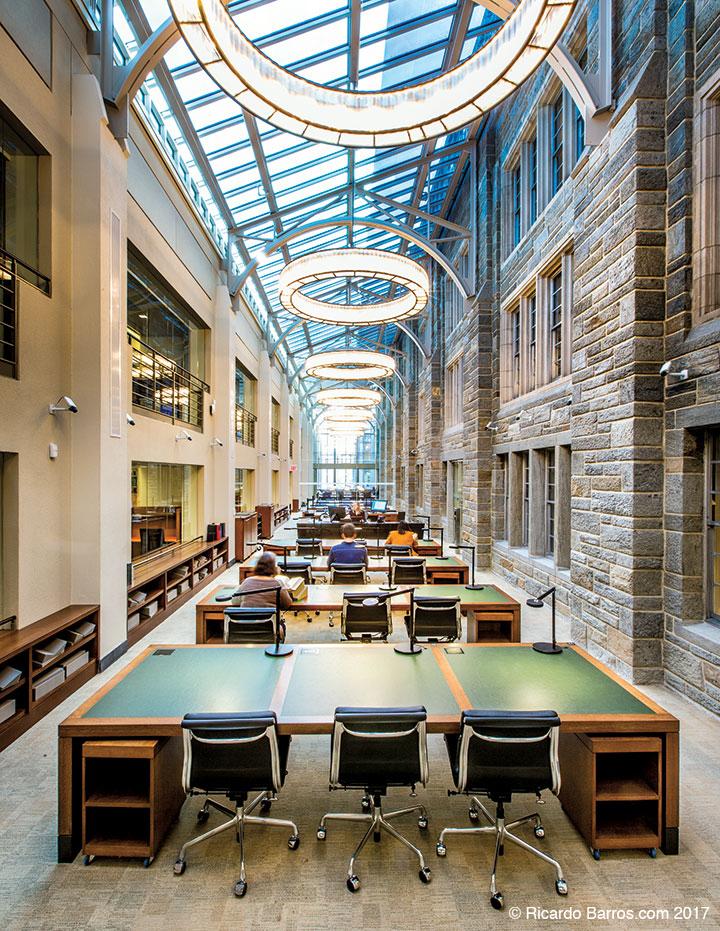
The Reading Room on the C-level of Firestone, where one can read and view items from Princeton’s Special Collections.

In the first article of this archival tour, I talked about the process of identifying the proper archives to further your research. But what happens next, once you have the archive, the collection, or the item you want? How do you proceed from there? For the purposes of this article, I will assume you are physically at the archive because we already have some great articles about requesting items from archives that you cannot physically be in. Here, then, I’ll talk about navigating the spaces of the archive and their uses, as well as some facts about archive etiquette.

Instead of dallying around, let’s jump back into the archive!

Categories
Get Started with Research Independent Work

Lost in the Archive? Here’s How to Find Your Way!

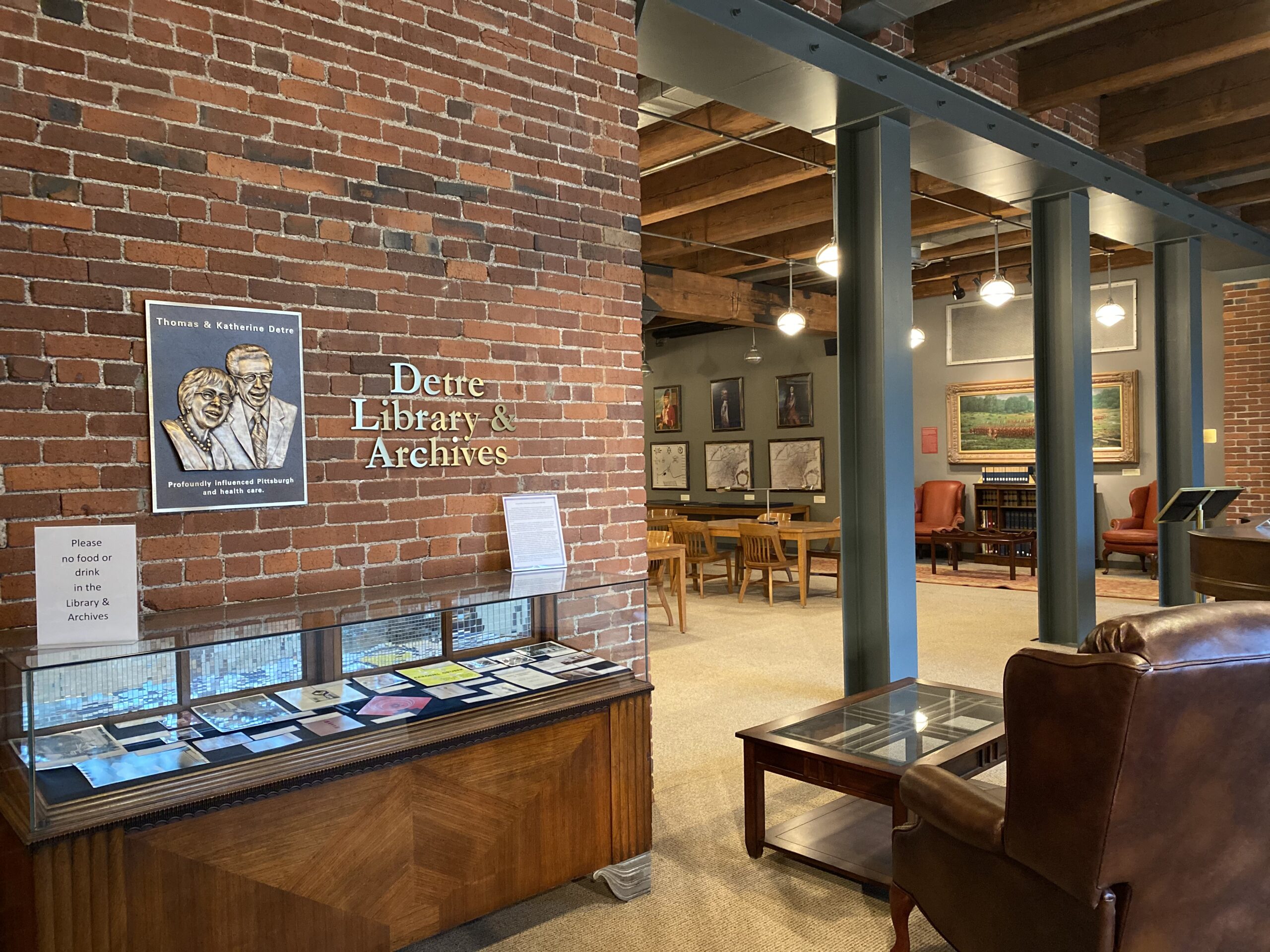
Detre Library & Archives, Catelyn Cocuzzi
The reading room of the Detre Library and Archives, located on the sixth floor of the Senator John H. Heinz History Center.

Fall break – a time for rest and relaxation. While I certainly used the time to collect myself after the whirlwind of a more normal semester, I also had to make progress on my junior paper for the History department ahead of its first draft in November. Exploring a consumer’s perspective on post-war nylon riots (1945-46), I had toiled through various online newspaper archives to rack up an impressive number of sources; however, something was missing. I felt like I wasn’t going deep enough. I wanted to find someone’s thoughts on the riot outside of the newspaper databases I had used, which I knew would be a challenging (if not impossible) process that could only be achieved by looking at the archive.

An important tool in the historian’s kit is the archive, which is a trove of various historical documents, materials, and items that can transport you to another time. Given that the archive is a physical location, the pandemic had interrupted much of the on-the-ground work historians do in libraries across the country, much of which was overcome through technology. Thankfully, I was able to access wonderful archives in-person in my hometown of Pittsburgh, PA: the University of Pittsburgh Archives and Special Collections as well as the Senator John H. Heinz History Center Detre Library and Archives. Covering a vast array of local and regional history, I was set on taking advantage of these archives’ resources to further my research.

I wanted to use this space, then, to share a bit about (in-person) archival research and what I learned. Regardless of your academic studies or research, archives offer a window into the past that could helpfully contextualize your topic, explore an unknown tangent that can offer up a new perspective, or even just lose yourself in the archive looking at random things. In this article, I will specifically cover the process of identifying an archive and then finding items within that archive.

Categories
Conduct Research Independent Work Present & Publish Findings

Writing a Literature Review? Some Tips Before You Start

Writing the literature review section for a scientific research article can be a daunting task. This blog post is a summary of what I have personally found to best help when writing about scientific research. I hope some of these tips can help make the process an easier and more fulfilling experience!