This computer and gel scanner were my best friends during my summer internship – I took many, many pictures of DNA samples and made many, many mistakes over the four week period.
As the weather gets warmer and summer gets closer, a lot of people’s minds are on their upcoming summer research internships. I know from my personal experience that doing research over the summer can be quite frustrating — it seems like you’ll never get any results and it’s so easy to say that “research just isn’t my thing.” In this post, I want to highlight a few things to think about before you decide that pursuing research as a profession isn’t for you.
In the middle of exams, papers, and upcoming deadlines, I attended the American Institute of Chemical Engineers Regional Conference at Penn State this week. As I attempted to review my organic chemistry notes on the four-hour car ride to the conference, I wondered if I had made the right decision in attending: I was not prepared for my orgo exam, I had an English paper due the day after, I was behind on my immunology course work, amongst other things. But as I began attending workshops, fun activities, and spending time with my other CBE classmates at the conference, my perspective completely changed. In this post, I will reflect on some of my takeaways from the conference and why I am grateful that I attended.
Before senior year, the senior thesis can feel worlds away. For me, thinking about my senior thesis has always felt like imagining potential careers—impractical fantasies rather than realistic plans. Wouldn’t it be cool to…? What if I…?
But just a few weeks ago, I received an email from my department, reminding me that thesis funding application deadlines were approaching. If I wanted to receive summer funding for thesis research, I needed to have an adviser, a research question, and a summer research itinerary solidified by the end of spring break.
I felt somewhat blindsided by this deadline. I’m still a junior. I just started my second Junior Paper. I had given almost no thought to selecting my thesis adviser, let alone constructing a research plan for my still non-existent thesis project.
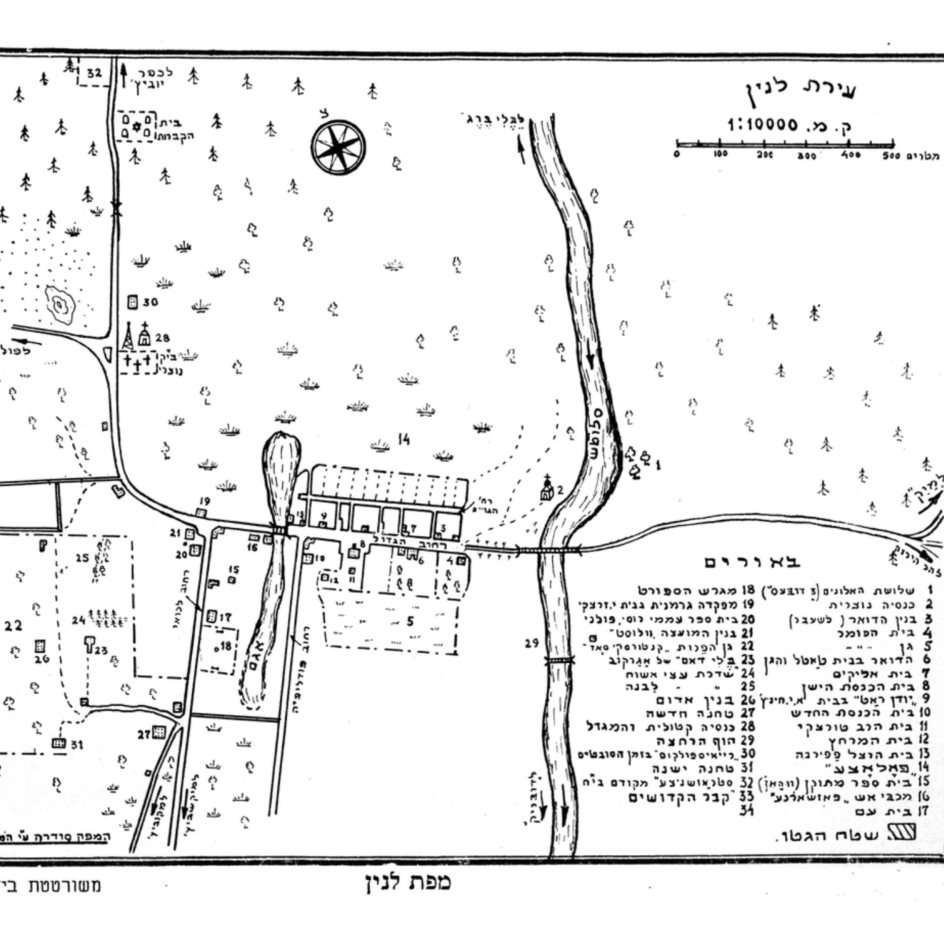
My thesis research proposal involves visiting an archive in Jerusalem. It’s never too early to start planning.
But for years, I’ve heard stories about the University’s generosity in supporting thesis projects. I wasn’t about to miss this opportunity.
Fortunately, I was able to select an adviser and write a project proposal before the funding deadline. Even so, I wished someone had warned me sooner about the timeline for thesis projects.
As I’ve learned, it is never too early to start thinking about thesis ideas. Because thesis ideas can gestate for a long time, it can be helpful to maintain a few lists of ideas, models, and resources. You can add to them when you get inspired and consult them when the time finally comes to select a topic.
Researchers communicate their findings and advances in the field through lab papers, thus they are an essential component of experiments.
Whether you are in lab for general chemistry, independent work, or senior thesis, almost all lab experiments will be followed up with a lab report or paper. Although it should be relatively easy to write about an experiment you completed, this is often the most difficult part of lab work, especially when the results are unexpected. In this post, I will outline the components of a lab report while offering tips on how to write one.
We are constantly writing––composing emails, blackboard posts, essays, and dean’s date papers. In this two-part series, I am interested in understanding the different forms of writing students explore on campus. Specifically, I interview students who write for campus publications to see how they approach the writing process in their extracurriculars.
In this post, I Interview Serena Alagappan ’20, the Editor-in-Chief and a writer for Nassau Weekly. Serena is a comparative literature major who, for three years now, has shared poetry, cultural critiques, profiles, and fiction through the Nass. In my interview with Serena, we discuss creative writing and the connection she has experienced between her academic and personal writing. Serena encourages students to explore writing through the Creative Writing program and shares advice on how students can carry over the freedom and expression of creative writing into more formal and rigid academic subjects.
1879 Hall, home to Princeton’s Department of Religion, where in a few weeks the author will submit the final draft of his JP.
My friends and fellow students, springtime has sprung forth from the recently-frozen New Jersey soil. Spring Break is in the rear-view mirror, and we march toward Dean’s Date, finals, and summer at a steady clip. But another set of deadlines draws even nearer, deadlines whose immediacy can be seen on the tired faces of many upper-class students. Yes, friends, I’m talking about independent work, JPs and theses, the academic tulips of the Princeton spring semester. Continue reading The Junior Paper: A Halftime Report
At Princeton, we are lucky to have access to an incredible collection of research resources. Between our libraries’ collections on campus, online databases, ReCap storage, and Borrow Direct, almost all your research needs are right at your fingertips. And, for most of the papers you will write while here, this is probably the case. But, especially with independent work, you may need sources so niche or rare that Princeton just can’t provide them. I have found myself in this situation this semester, as I write my junior paper for my HIS 400 seminar. Here, I’ll share my experience navigating the search for niche sources, with tips for getting creative when searching for material at Firestone and beyond.
My paper focuses on the political thought of Henry Katzew (a Jewish South African journalist and writer), situating it in relation to other Jewish South African responses to apartheid, Zionism, and a diplomatic crisis which occurred between the Israeli and South African governments in 1961. Given how specific my topic has become, it was difficult finding sources, especially primary sources, at Princeton right off the bat. Still, with some time to think and the help of quite a few librarians (more on that below— they are truly research superheroes), I have managed to find the sources I need to complete the work.Continue reading Stumped for Sources at Firestone? No Worries!
This year, I spent my spring break traveling around Japan with my art history seminar course, ART 429 Visual Japan: Past and Present. It was an absolutely transformative experience, both academically and personally. I’m here to share a little bit about how I learned to use experiences to inspire research and find answers through reflection.
Students in the Woodrow Wilson School—and other majors!—start preparing for their theses in their junior year.
If you’re caught up on some of my earlierposts, you’ll remember that I’ve been working on my Junior Papers all year, ultimately gearing up towards the independent work that my senior thesis will require. However, as an underclass student, I was definitely unclear about what the senior thesis process would entail. I thought it was something I wouldn’t have to worry about until my last year at Princeton when, in reality, it starts much earlier than that (scary!!).
This winter, for our seasonal series entitled “Professorship and Mentorship,” PCURs interview a professor from their home department. In these interviews, professors shed light on the role that mentorship has played in their academic trajectory, including their previous experiences as undergraduate and graduate students as well as their current involvement with mentorship as independent work advisers for current Princeton undergraduates. Here, Rafi shares his interview.
~~~~~
Professor Bernadette Pérez is a Lecturer in the Council of the Humanities, History and American Studies and a Cotsen Postdoctoral Fellow in Race and Ethnicity Studies in the Society of Fellows.
I met Professor Pérez last semester as a student in her course on Commodity Histories. Throughout the semester, I was inspired by her commitment to interdisciplinary research and her focus on subjugated histories. I was excited to hear about her personal research journey and any advice she might have for a confused undergrad like me.